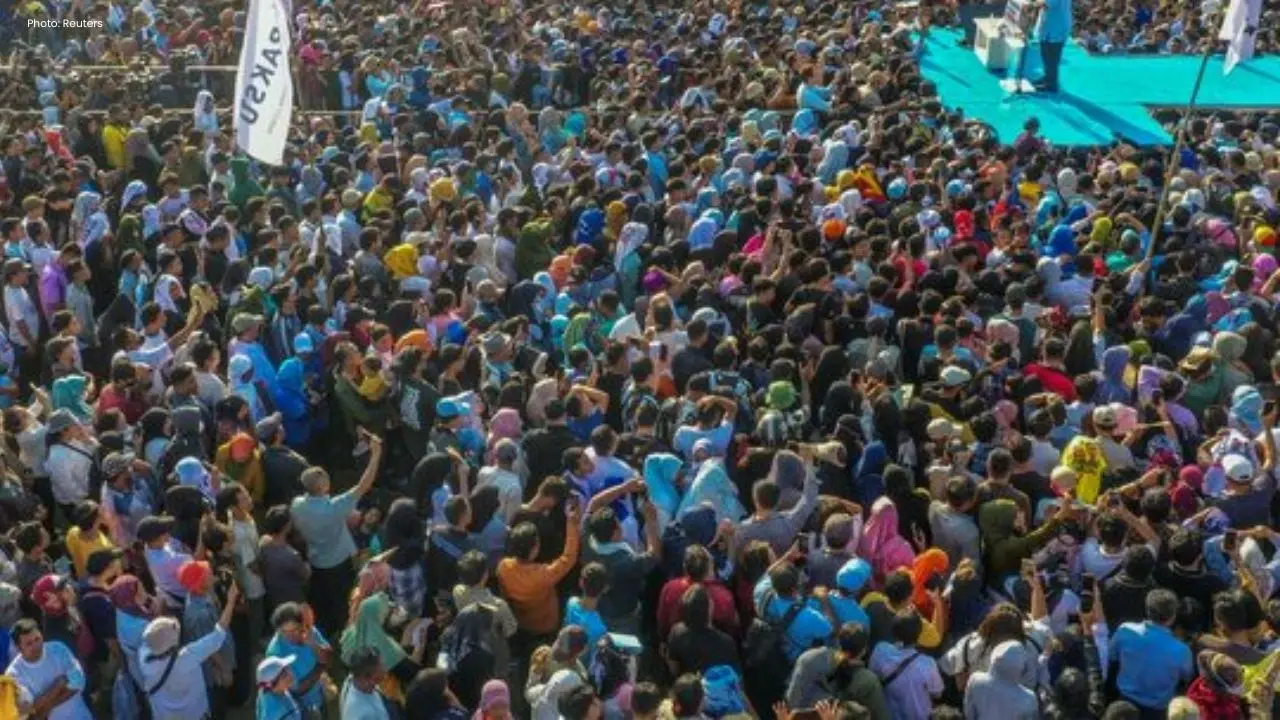
Indonesia has crossed a significant milestone, officially entering an era of an aging population, as the percentage of elderly citizens has surpassed the crucial threshold of 10 percent for the first time in 2025. This revelation comes from the 2025 Intercensal Survey, also known as SUPAS, released by Statistics Indonesia, or BPS. Experts caution that this demographic shift could pose serious economic and social challenges unless effective planning and policy measures are put into action.
The survey indicates that 11.97 percent of Indonesia's total population now comprises elderly individuals. The United Nations Department of Economic and Social Affairs designates a nation as having an aging population when those aged 60 and above exceed 10 percent. In line with Indonesian law, individuals aged 60 and older qualify as elderly. This data signifies that Indonesia has officially reached this demographic milestone in its contemporary history.
According to Amalia Adininggar Widyasanti, head of BPS, the trend towards an aging population reflects advancements in healthcare and increases in life expectancy throughout Indonesia. However, experts are warning that this shift may lead to heightened pressures on healthcare systems, pension structures, labor markets, and social welfare policies. As the elderly population expands, Indonesia may need to take on greater financial and administrative responsibilities to adequately support aging communities.
Economic analysts and demographic experts assert that Indonesia has a limited timeframe to make the most of its remaining demographic dividend before the working-age populace begins to fizzle out more quickly. A demographic dividend arises when a country boasts a larger proportion of working-age individuals compared to dependent populations like children and the elderly. To maintain stable economic growth during this transition, experts advocate for enhanced employment generation, productivity growth, and improvements in education and healthcare.
This demographic trend might also impact labor markets and long-term economic competitiveness. Analysts caution that a diminishing share of young workers could lead to workforce shortages and heightened dependency ratios. Countries facing an aging population often grapple with challenges such as labor shortages, escalating healthcare costs, and pension liabilities. As a result, Indonesian policymakers are now expected to turn their focus towards retirement planning, elderly healthcare solutions, and sustainable social protection systems.
Social experts highlight the necessity of preparing communities and infrastructures for an aging society. Major improvements may be needed in public transportation, housing, healthcare accessibility, and elderly support services in the future. Families and local communities are anticipated to play crucial roles in caring for older citizens, especially in regions with limited social welfare frameworks.
Indonesia’s demographic transition is being monitored closely, considering its status as one of Southeast Asia's foremost economies and most populous nations. Experts contend that how Indonesia manages its aging population over the next twenty years could markedly affect its economic stability and developmental objectives. As a result, the latest population data has sparked essential discussions surrounding long-term planning, economic resilience, and social preparedness for the future.