In a decisive action on Wednesday, Indonesia’s central bank implemented a significant interest rate hike as part of its strategy to defend the rupiah from further depreciation amid escalating global economic uncertainties and inflationary pressures.
Bank Indonesia raised its benchmark 7-day reverse repurchase rate by 50 basis points to 5.25 percent. This unexpected decision caught financial markets off guard, as experts had anticipated a more moderate adjustment. It marks the first time in nearly two years the central bank has enacted a rate increase.
The move was triggered by the recent plunge of the Indonesian rupiah to unprecedented lows against the US dollar. On Wednesday morning, the currency plummeted to approximately 17,745 per dollar before recovering slightly following the announcement from the central bank.
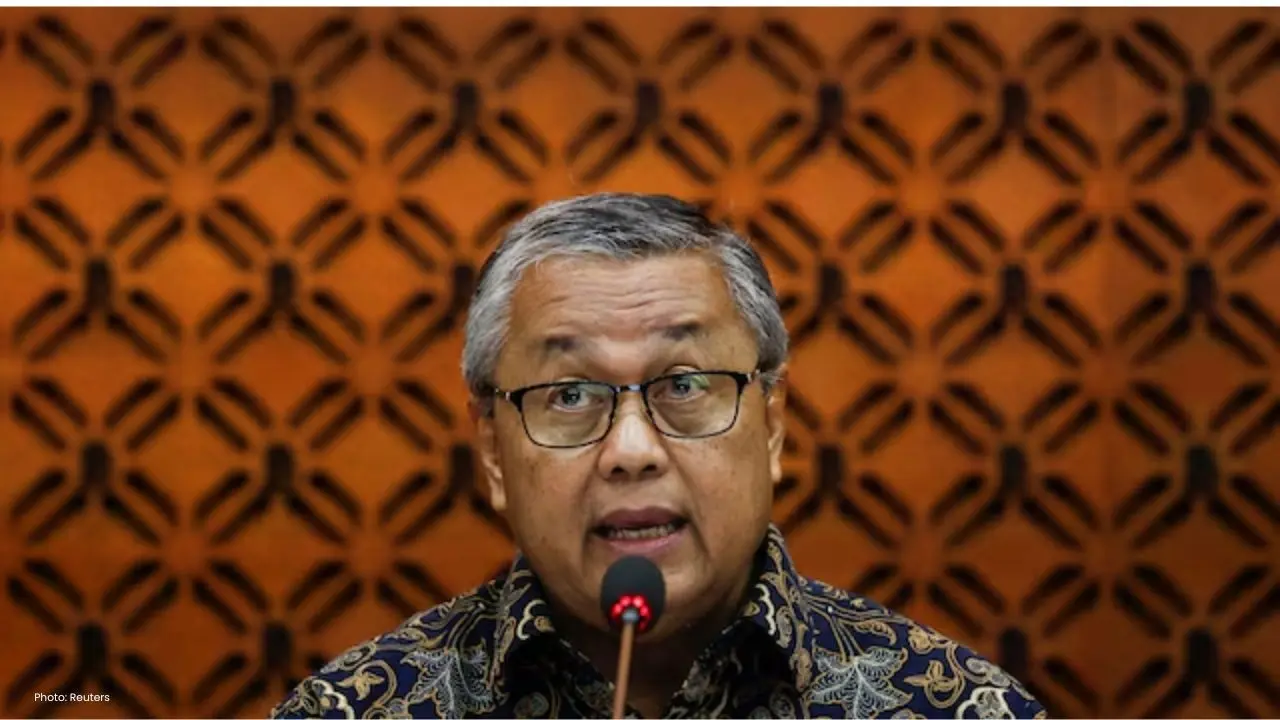
Governor Perry Warjiyo indicated that the action was imperative for stabilizing the rupiah, which is increasingly affected by global market volatility intensified by geopolitical issues and rising energy prices linked to the ongoing Middle East conflicts. He emphasized that this policy aims to contain inflation within the central bank’s targeted range over the next couple of years.
The rupiah has seen a considerable decline of nearly six percent against the US dollar in 2026, making it one of Asia’s least robust currencies. Investors are growing anxious over Indonesia’s fiscal policies, concerns around institutional independence, and the overall instability in global financial systems.
Market analysts suggest that the central bank's larger-than-expected rate hike highlights its commitment to currency stability and the reinforcement of investor confidence. Financial specialists noted that this approach could enhance the central bank’s credibility as global investors pull back from riskier emerging markets.
Despite these measures, the central bank has retained its 2026 economic growth forecast, estimating it will remain between 4.9 percent and 5.7 percent. Officials have also assured that inflation is currently under control, courtesy of government subsidies on fuel and essential goods to mitigate rising living costs for households.
Furthermore, Bank Indonesia declared intentions to persist with currency market interventions and additional measures to draw foreign capital. Authorities are optimistic that the rupiah could stabilize by June, with gradual strengthening projected for July and August if market conditions improve.
This assertive policy reflects the mounting challenges many Asian economies face as soaring US bond yields, geopolitical tensions, and inflation concerns rattle financial markets throughout the region.