Why Hair Thinning Becomes Common After 25
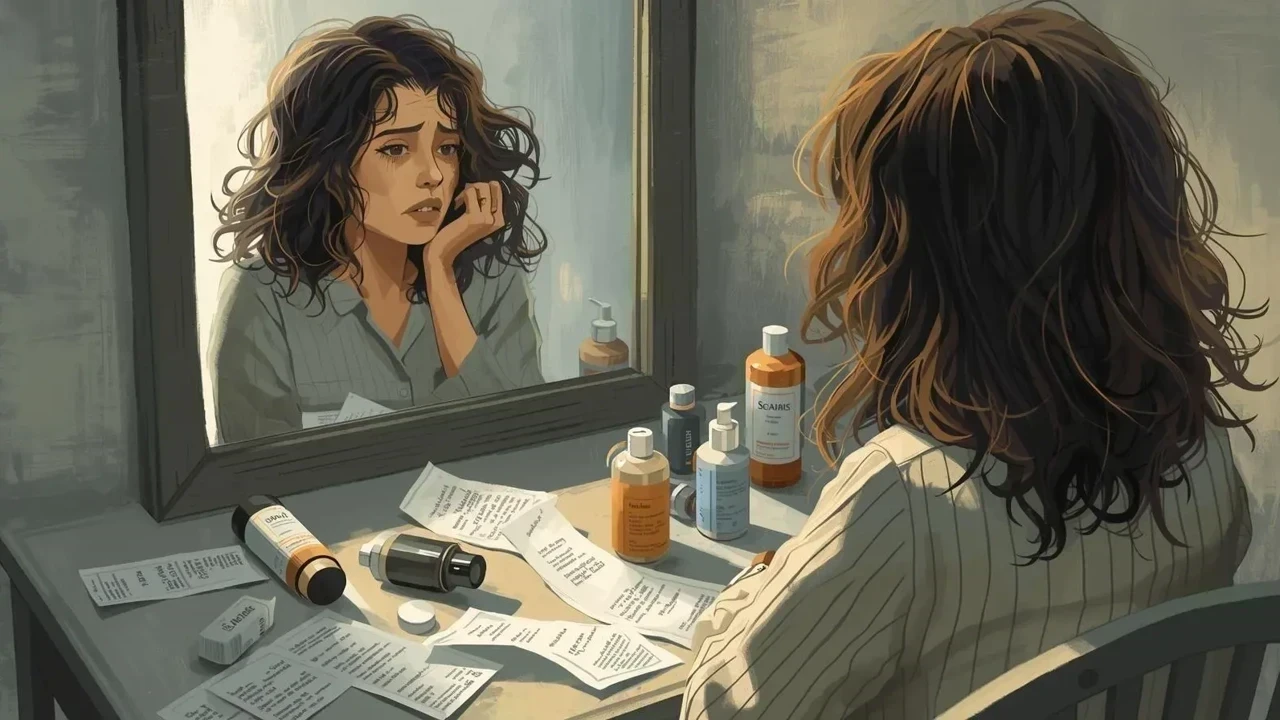
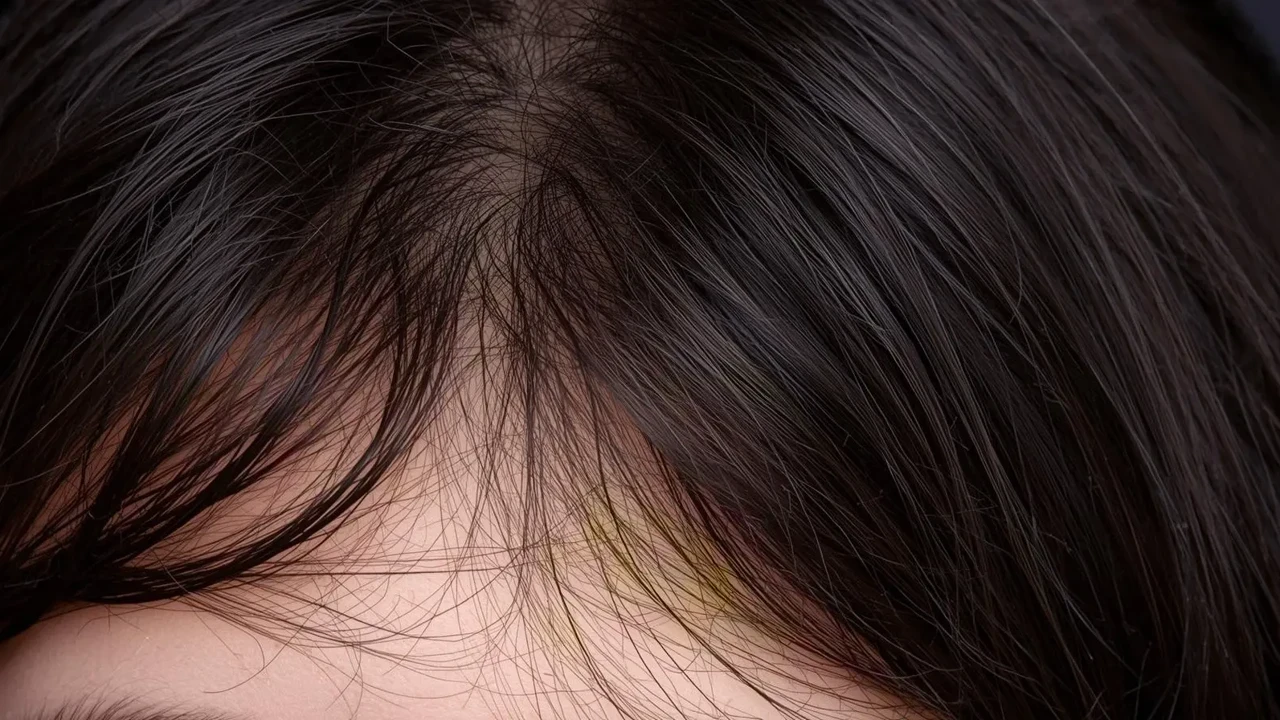
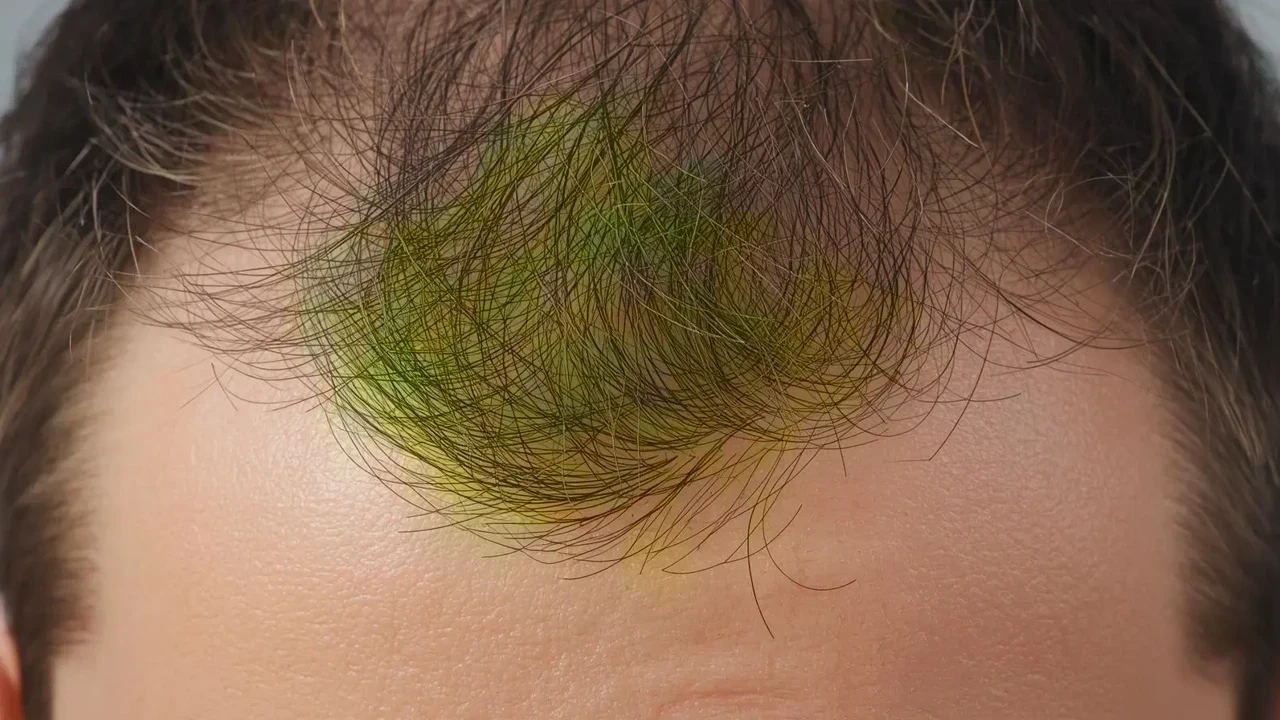
Hair thinning becomes noticeable for many people after 25 due to hormonal changes, stress, nutritional gaps, and genetic tendencies. At this age, the body’s repair cycle slows down, and hair follicles become more sensitive to internal and external triggers. The result? Your ponytail looks smaller, your scalp feels more visible, and hair fall increases.
The Actual Causes Behind Hair Thinning
Hormonal Fluctuations
Hormones like DHT, thyroid levels, and estrogen play a major role. An increase in DHT weakens follicles, while thyroid imbalance can cause heavy shedding.
Nutrient Deficiencies
Low levels of iron, vitamin D, biotin, zinc, and protein directly affect hair density and strength. Even mild deficiencies can cause noticeable thinning.
Chronic Stress
Prolonged stress pushes hair into the telogen (shedding) phase, leading to sudden hair fall known as telogen effluvium.
Over-Styling
Frequent heat styling, tight hairstyles, chemical treatments, and excessive coloring damage the hair shaft and weaken roots.
Poor Scalp Health
Dandruff, buildup, inflammation, or excess oil block follicles and slow hair growth.
Genetics
If hair thinning runs in your family, you may see early signs in your late 20s.
How to Reverse Hair Thinning After 25
Improve Your Diet for Follicle Strength
Hair is made of keratin, a protein. To boost growth, include:
-
Eggs, fish, paneer, lentils
-
Spinach, pumpkin seeds, nuts
-
Vitamin D sources like sunlight exposure
-
Iron-rich foods such as beetroot and jaggery
A nutrient-rich diet improves density within 8–12 weeks.
Adopt a Strengthening Haircare Routine
Use Mild, Sulfate-Free Shampoos
Harsh formulas strip natural oils, causing brittle and weak hair.
Apply Peptide or Caffeine Serums
These boost blood circulation and stimulate dormant follicles.
Oil Your Scalp Twice a Week
Choose oils like rosemary, black seed, coconut, or castor oil for nourishment.
Avoid Daily Heat Styling
Allow your hair to air-dry and minimize curling or straightening.
Build a Healthy Scalp Environment
Exfoliate the Scalp Once a Week
This removes product buildup and keeps follicles unclogged.
Treat Dandruff Promptly
Use a ketoconazole, zinc pyrithione, or salicylic acid shampoo if required.
Massage the Scalp Daily for 5 Minutes
This increases blood flow and supports stronger roots.
Effective Dermatologist-Approved Treatments
PRP or GFC Therapy
Platelet-rich therapies help repair weak follicles and boost regrowth naturally.
Low-Level Laser Therapy (LLLT)
Laser combs and caps stimulate hair growth without pain or downtime.
Minoxidil (2%–5%)
A trusted option to restart inactive follicles (only after medical advice).
Microneedling
Enhances serum absorption and activates growth pathways.
Lifestyle Changes That Protect Hair Density
Get 7–9 Hours of Sleep
Poor sleep directly increases hair fall.
Reduce Stress
Meditation, yoga, or daily walks can reduce stress-triggered shedding.
Avoid Smoking
Smoking restricts blood flow to the follicles.
Stay Hydrated
A well-hydrated scalp grows healthier hair.
When to See a Dermatologist
You should consult a specialist if you notice:
-
Hair thinning for more than 3 months
-
Bald patches
-
Severe dandruff or itching
-
Sudden heavy hair fall
A dermatologist can diagnose root causes through blood tests and scalp analysis.
Disclaimer
This article provides general guidance on hair thinning and should not be considered a medical diagnosis. If your hair loss is severe, sudden, or accompanied by other symptoms, please seek advice from a certified dermatologist for a personalized treatment plan.