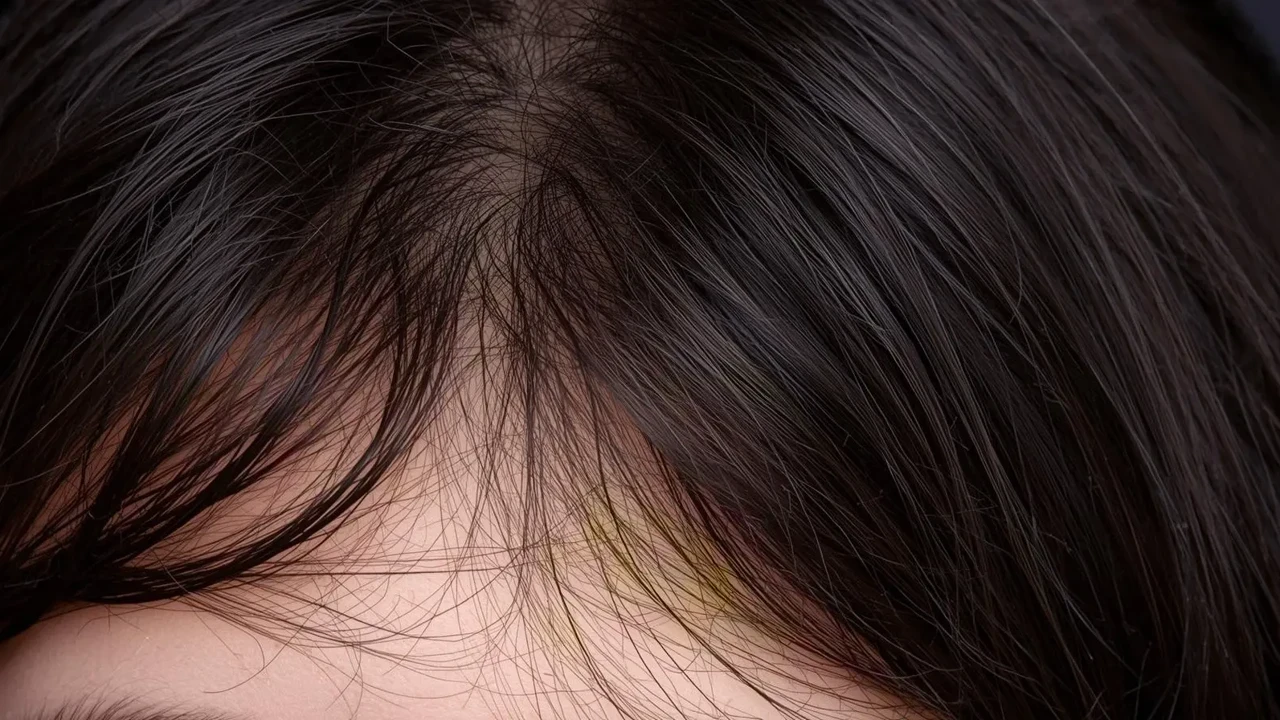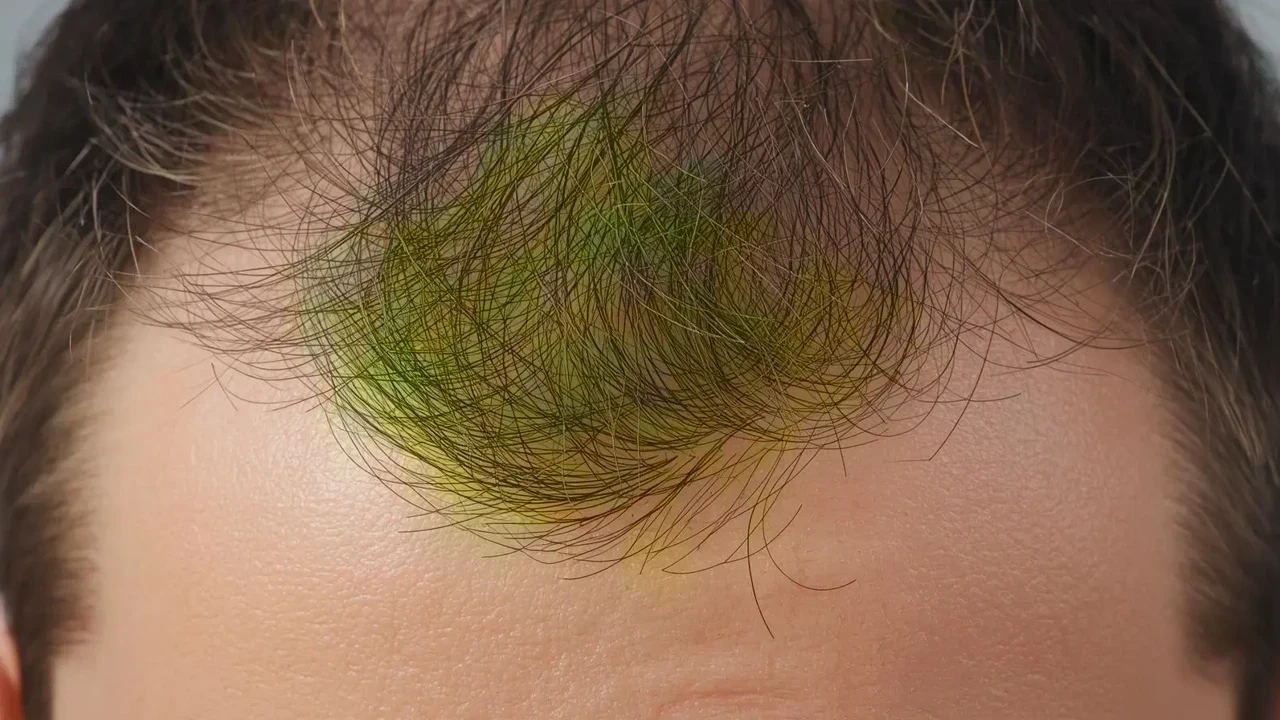
Experiencing hair fall can be distressing for anyone. Finding more strands on your pillow or in your brush can raise concerns. While hormonal or health-related factors require professional attention, daily care is crucial for minimizing damage and fostering healthy hair growth. One established technique for promoting hair health is regular oiling.
The right oil does more than provide shine; it enhances scalp health, strengthens hair roots, and reduces long-term damage, according to dermatologists. Dr. Ridhima Arora clarifies that while oils cannot completely remedy medical hair loss, they do contribute to a healthier scalp and improve the resilience of hair strands.
Here are five hair oils endorsed by dermatologists that can help manage hair fall and encourage hair growth.
1. Coconut Oil
Renowned for its ability to deeply penetrate the hair, coconut oil contains lauric acid, which reduces protein depletion. This action helps prevent breakage and split ends, particularly beneficial for dry, damaged, or chemically treated hair.
For application, gently massage a small amount into the scalp and along hair lengths. Allow it to sit for 30 to 45 minutes before washing out with a gentle shampoo. Avoid overnight use if you have dandruff or acne-prone skin.
2. Rosemary Oil
Rosemary oil is trending for enhancing blood circulation in the scalp area. Improved circulation means enhanced oxygen and nutrient delivery to the hair follicles, which can be particularly helpful during the initial phases of thinning hair.
Always combine rosemary oil with a carrier oil like coconut or almond oil, using 3 to 4 drops for gentle massaging once or twice weekly.
3. Tea Tree Oil
Known for its antibacterial and antifungal qualities, tea tree oil combats dandruff, scalp itchiness, and build-up. A clean scalp provides a vital foundation for healthier hair growth.
Avoid direct application on the scalp; instead, dilute 2 to 3 drops with a carrier oil and apply solely to the scalp. Leave it for 15 to 20 minutes before rinsing.
4. Castor Oil
This thick oil, rich in ricinoleic acid, helps retain moisture in hair, lending a fuller appearance. While it may not address hair fall from medical conditions, it certainly enhances overall hair strength and aesthetics.
Due to its thickness, mix it with a lighter oil for best use, focusing on the scalp and applying residue sparingly to hair strands.
5. Almond Oil
Almond oil boasts a wealth of vitamin E and fatty acids, effectively softening dry hair, adding luster, and minimizing frizz. It also helps avert breakage associated with tangling and dryness.
For optimal results, massage a small amount into your scalp and along the hair once or twice a week.
A healthy scalp is the first step toward healthy hair. Regular oiling enhances blood circulation, fortifies roots, and prevents damage. Dermatologists recommend moderation in oil usage, as excessive application can lead to clogged pores and buildup. Balance and consistency are integral.
To maximize results, pair oiling with a nutritious diet, a gentle hair care routine, and seek medical advice if hair fall worsens. Small, consistent practices can significantly improve your hair’s health.