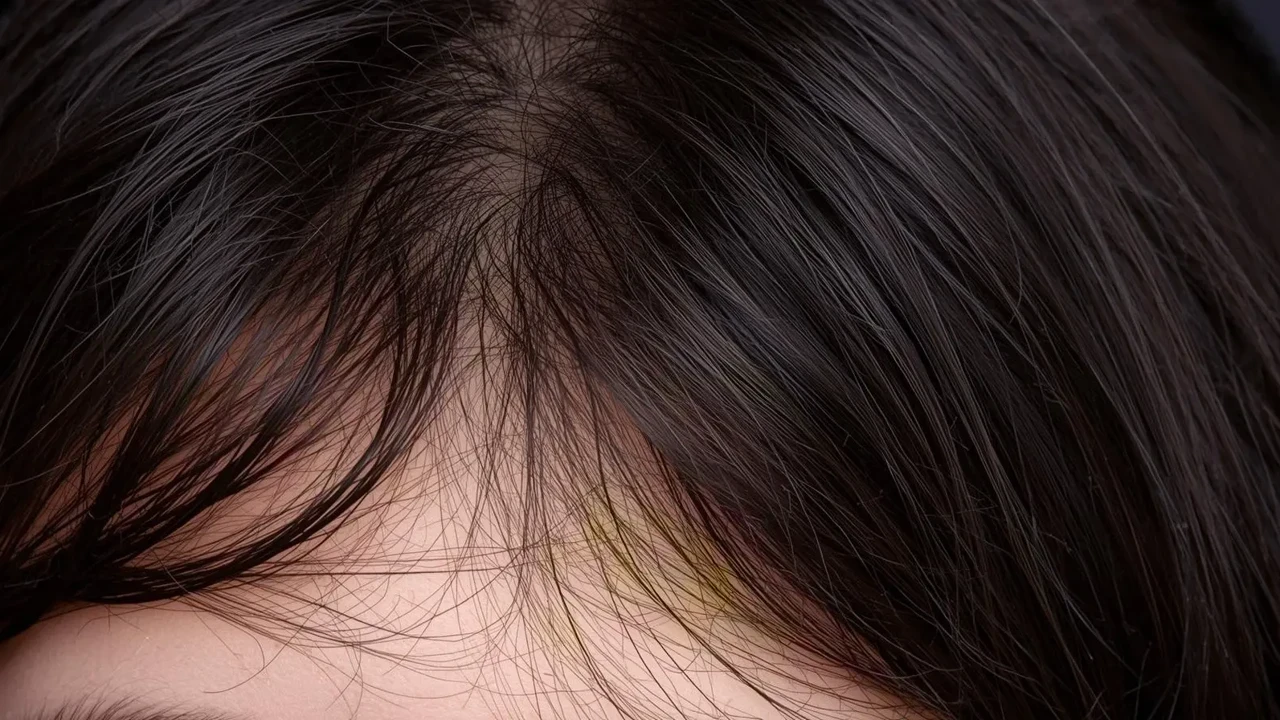
The Real Reason Hair Texture Changes Before Hair Fall Starts
Hair fall rarely begins suddenly. Long before you notice hair strands on your pillow or in the shower drain, your hair usually changes texture. It may feel rough, dry, limp, frizzy, thinner, or unusually flat. Many people ignore these early signs, assuming it’s weather, shampoo, or temporary damage. In reality, hair texture changes are one of the earliest warning signals that hair fall is coming.
Understanding why hair texture changes before hair fall begins can help you take action early—often preventing severe thinning or long-term loss. This article explains the biological, nutritional, hormonal, and lifestyle reasons behind texture changes and why hair health always declines internally before visible shedding starts.
Hair Texture Is a Reflection of Internal Health
Hair texture depends on:
-
Protein structure of the hair shaft
-
Oil and moisture balance of the scalp
-
Blood supply to hair follicles
-
Hormonal stability
-
Nutrient availability
When any of these systems become imbalanced, the hair shaft weakens first. Hair does not immediately fall—it loses strength, elasticity, shine, and smoothness before shedding begins.
Understanding the Hair Shaft vs Hair Root
To understand texture changes, it’s important to separate the hair shaft from the hair follicle.
Hair shaft
The visible part of your hair made of keratin. Once formed, it cannot heal itself.
Hair follicle
The living root beneath the scalp responsible for producing new hair.
When the follicle becomes stressed, it produces weaker hair shafts. Texture changes are the first visible outcome of follicle stress.
Reduced Protein Supply Weakens Hair Structure
Hair is made primarily of keratin protein. When the body lacks protein or cannot utilize it properly, hair quality suffers before quantity.
Why protein deficiency changes texture first
-
Hair grows thinner in diameter
-
Cuticle layers become uneven
-
Hair loses smoothness and shine
-
Hair snaps easily but doesn’t fall immediately
This is common in people who skip meals, diet aggressively, or consume mostly processed foods.
Chronic Stress Alters Hair Formation
Stress does not cause instant hair fall. It alters how hair is formed at the root.
What stress does at the follicle level
-
Raises cortisol levels
-
Reduces blood flow to the scalp
-
Disrupts nutrient delivery
-
Shortens the hair growth phase
As a result, hair grows weaker, finer, and drier. Texture changes appear weeks or months before shedding increases.
Hormonal Shifts Affect Hair Thickness and Feel
Hormones regulate oil production, hair thickness, and growth cycles.
Common hormonal triggers
-
Thyroid imbalance
-
Insulin resistance
-
PCOS
-
Post-pregnancy changes
-
Perimenopause
Hormonal imbalance causes hair to grow thinner and flatter, even if hair fall hasn’t started yet.
Sebum Imbalance Dries or Greases Hair
Healthy hair texture depends on balanced scalp oil.
When oil production drops
Hair becomes dry, frizzy, rough, and dull.
When oil production increases
Hair becomes limp, sticky, and lifeless.
Both extremes weaken the hair shaft, making it prone to breakage and eventual fall.
Poor Blood Circulation to the Scalp
Hair follicles require oxygen and nutrients.
What reduces scalp circulation
-
Sedentary lifestyle
-
Constant screen time
-
Poor posture
-
Stress-induced tension
Reduced circulation results in under-nourished hair, causing texture deterioration before hair loss begins.
Micronutrient Deficiencies Show Up as Texture Changes
Certain nutrients affect hair quality before quantity.
Key nutrients linked to texture
-
Iron: affects oxygen supply
-
Zinc: supports follicle repair
-
Biotin: improves hair strength
-
Vitamin D: supports follicle cycling
-
Omega-3: maintains moisture
Deficiencies often cause hair to feel dry, brittle, and weak long before visible thinning.
Dehydration Affects Hair Elasticity
Hair requires water internally, not just externally.
Signs dehydration affects hair
-
Loss of softness
-
Reduced flexibility
-
Increased breakage
-
Rough feel despite conditioning
Dehydration stresses the follicle environment, leading to poor-quality hair growth.
Sleep Disruption Weakens Overnight Hair Repair
Hair repair happens during deep sleep.
How poor sleep affects texture
-
Reduced melatonin levels
-
Poor hormonal recovery
-
Increased inflammation
Late nights and screen exposure reduce hair’s overnight repair, leading to dull, lifeless strands.
Overuse of Styling and Chemical Treatments
Chemical and heat damage worsen existing internal weakness.
Why texture changes accelerate before hair fall
When hair is already weak from internal issues, styling damage exposes the problem faster. Hair becomes frizzy, rough, and unmanageable before shedding increases.
Gut Health and Hair Texture Connection
Healthy digestion ensures nutrient absorption.
Poor gut health leads to
-
Poor mineral absorption
-
Inflammation
-
Reduced protein utilization
Even a good diet cannot improve hair texture if nutrients aren’t absorbed properly.
Early Texture Changes Most People Ignore
Common warning signs include:
-
Hair feels thinner to touch
-
Ponytail feels less dense
-
Loss of natural wave or curl pattern
-
Increased frizz without humidity
-
Hair doesn’t hold style anymore
These changes usually appear 2–4 months before hair fall increases.
Why Hair Fall Always Comes After Texture Damage
Hair follicles reduce output quality before stopping production.
The body prioritizes survival organs over hair. When resources are limited, hair quality declines first. Shedding begins only when stress continues unchecked.
How to Respond When Hair Texture Changes
Focus on internal repair first
-
Improve protein intake
-
Balance meals
-
Hydrate consistently
-
Reduce stress exposure
Support scalp health
-
Gentle scalp massage
-
Avoid harsh treatments
-
Do not overwash
Improve lifestyle rhythms
-
Regular sleep schedule
-
Screen breaks
-
Physical movement
Early action can reverse texture changes and prevent long-term hair fall.
When Texture Changes Need Medical Evaluation
Consult a professional if:
-
Texture changes are sudden and severe
-
Accompanied by fatigue or weight changes
-
Hair fall follows within months
Early diagnosis prevents chronic thinning.
The Real Truth About Hair Texture and Hair Fall
Hair texture changes are not cosmetic accidents—they are biological warnings. Your hair tells you when stress, nutrition, hormones, or lifestyle are out of balance. Ignoring texture changes allows hair fall to progress silently.
Healthy hair is built internally before it appears externally.
Disclaimer
This article is intended for general informational purposes only and does not constitute medical or dermatological advice. Hair texture changes and hair fall can result from multiple factors including genetics, health conditions, and lifestyle influences. For persistent hair concerns or sudden changes, consult a qualified dermatologist or healthcare professional for accurate diagnosis and treatment.