In a world that never truly slows down, silence has become one of the rarest luxuries of modern life. Notifications wake people before sunrise, endless scrolling fills every quiet moment, and stress follows individuals from work into their homes, relationships, and even sleep. The modern mind has become overcrowded with noise, pressure, comparison, and emotional exhaustion.
That is exactly why International Meditation Day feels more important today than ever before.
Far beyond being a wellness trend or spiritual ritual, meditation has evolved into one of the most powerful emotional survival tools of modern times. What was once practiced mainly inside temples and monasteries is now embraced by students, athletes, entrepreneurs, artists, therapists, and corporate leaders across the world.
People are beginning to understand one essential truth: peace is no longer optional — it has become necessary.
The Ancient Practice That Returned Stronger Than Ever
Meditation is thousands of years old. Long before technology, social media, and modern psychology existed, ancient civilizations already understood the importance of inner stillness. Different cultures practiced meditation in different ways, but almost all shared one common belief: the human mind needs moments of silence to remain balanced.
For centuries, meditation was associated mostly with monks, spiritual teachers, and religious communities. Many people believed it belonged only to sacred spaces far removed from everyday life.
Today, that perception has completely changed. Modern society has rediscovered meditation not as a religious obligation, but as a human necessity. People who once dismissed meditation as “doing nothing” are now realizing how exhausting constant stimulation truly is.
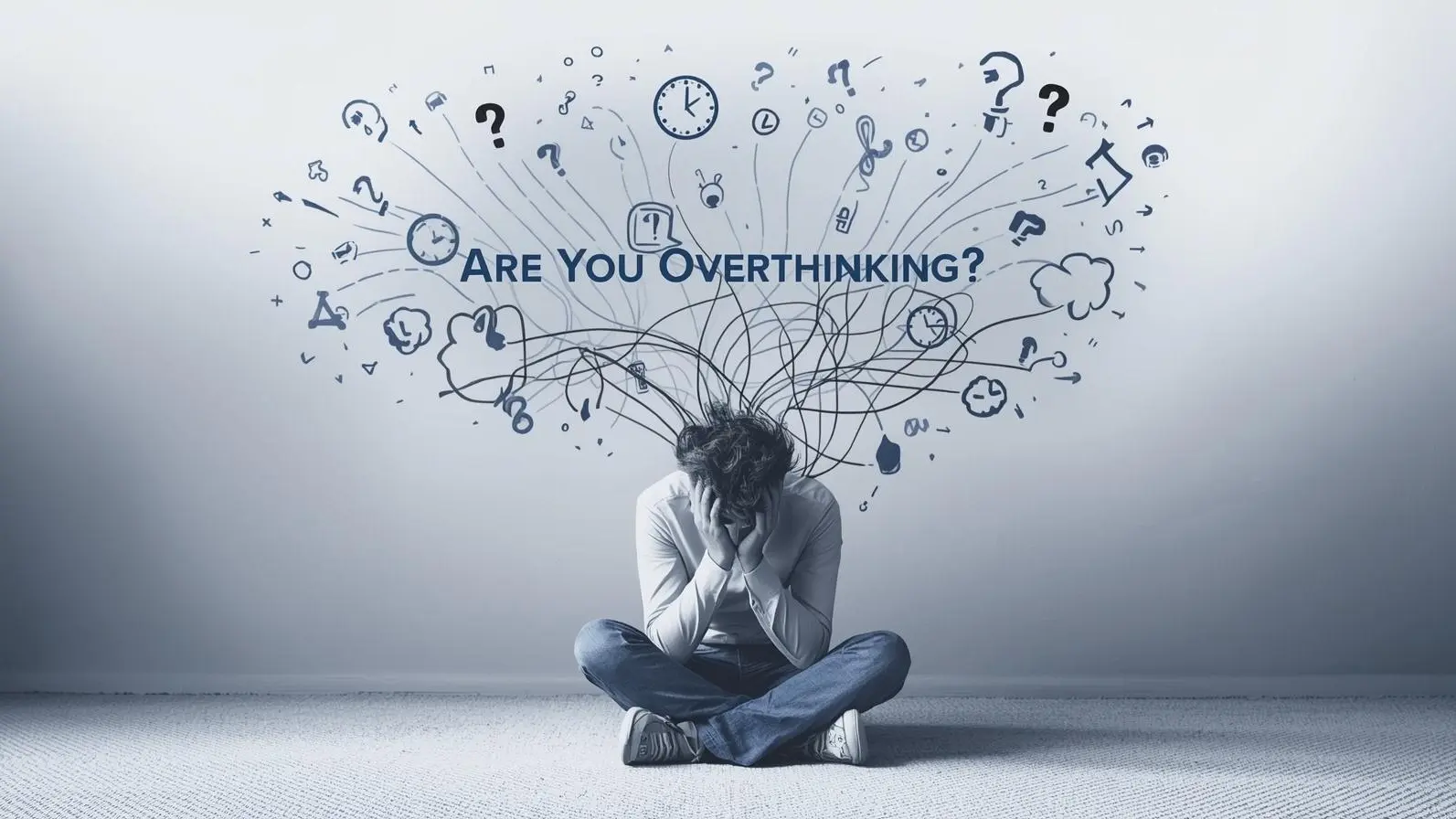
People watch videos while eating, answer messages while working, think about work while trying to sleep, and scroll through phones during conversations. The mind rarely gets a chance to rest.
Meditation interrupts that cycle. It creates a rare moment where people stop reacting to the world and start reconnecting with themselves. In today’s world, that simple act has become revolutionary.
Why Modern Generations Are Turning Toward Meditation
One of the most interesting realities about today’s younger generations is that they are simultaneously the most connected and emotionally overwhelmed generations in modern history.
People have access to more information than ever before, yet anxiety, burnout, emotional fatigue, and mental exhaustion continue rising globally. The human nervous system was never designed for nonstop stimulation.
Modern life constantly pushes people to consume:
- content,
- opinions,
- news,
- comparisons,
- expectations,
- and emotional pressure.
Meditation offers the exact opposite experience.
Instead of consuming more, meditation teaches people how to pause. That pause changes everything.
Many individuals discover during meditation that their minds have been running endlessly for years without rest. Thoughts move constantly from fear to planning to stress without interruption. Meditation gently breaks that momentum. It reminds people that thoughts are not always reality, emotions are not permanent, and silence is not emptiness — it is recovery.
This is one reason meditation is now practiced in schools, hospitals, therapy centers, sports facilities, and major companies worldwide. Calmness has become one of the most valuable emotional skills of the modern age.
The Science and Emotional Power Behind Meditation
For many years, meditation was viewed as purely spiritual. However, modern science has dramatically changed the conversation.
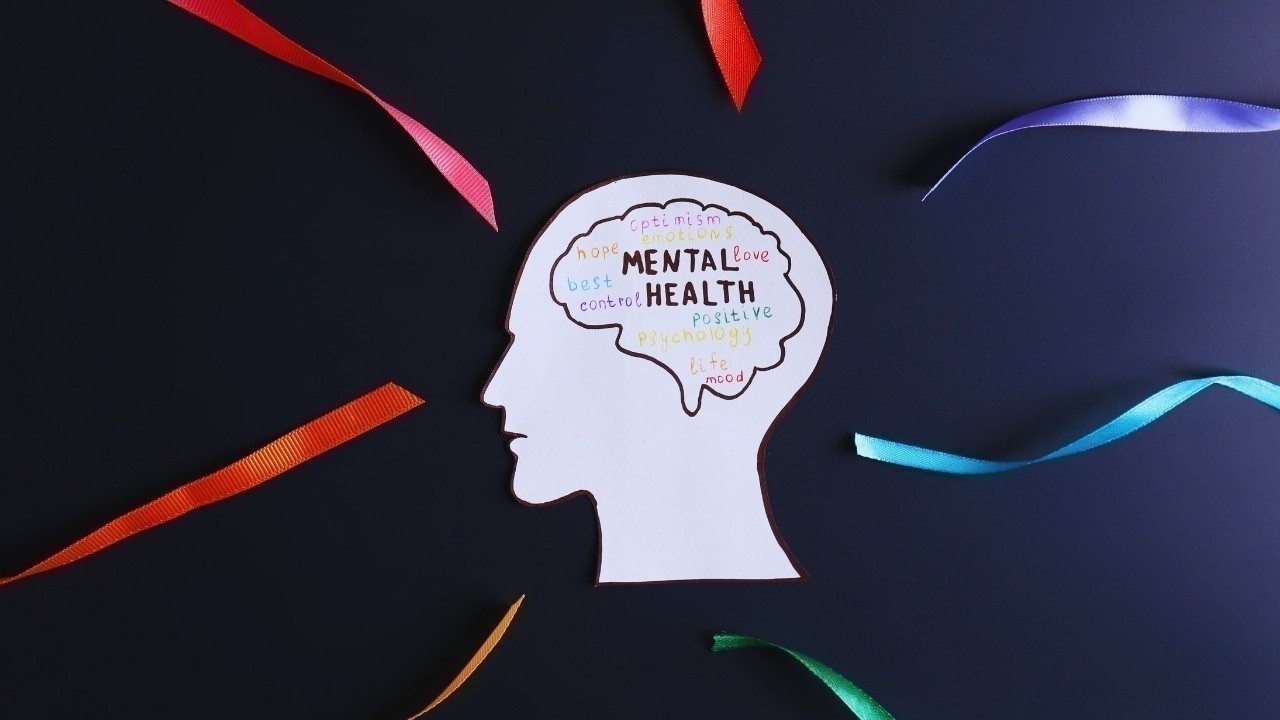
Researchers studying meditation discovered that regular practice can physically affect the brain. Studies suggest meditation may help reduce stress, improve focus, regulate emotional reactions, and support mental clarity. Some researchers have even observed changes in areas of the brain linked to emotional regulation and attention.
This scientific understanding has given meditation worldwide credibility. But perhaps the most powerful impact of meditation cannot be measured in laboratories. It is emotional awareness.
Meditation helps people notice emotions before those emotions completely control them. Instead of instantly reacting with anger, panic, frustration, or fear, individuals slowly learn how to observe their emotional state with greater clarity.
That small difference can transform relationships, decision-making, confidence, and emotional stability.
Meditation teaches people something modern life often forgets: how to be fully present.
The Hidden Truth About Silence and Self-Awareness
One of the least discussed facts about meditation is how uncomfortable silence can initially feel for many people.
The reason is simple: silence reveals everything people have been trying to avoid.
Without distractions, unresolved emotions often rise to the surface — stress, fear, loneliness, sadness, self-doubt, and emotional exhaustion. This is why many beginners struggle with meditation at first. They believe they are “bad” at it because their minds feel chaotic.
But meditation was never about instantly emptying the mind. It is about becoming aware of it.
That awareness is where healing often begins.
Many people spend years distracting themselves from emotional discomfort through work, social media, relationships, or constant activity. Meditation temporarily removes those distractions, allowing people to face themselves honestly.
International Meditation Day quietly reminds the world that stillness is not weakness — it is courage.
Why International Meditation Day Matters More Than Ever
International Meditation Day arrives at a time when emotional exhaustion has become normalized. People celebrate being busy while silently feeling overwhelmed. Many appear connected online while feeling disconnected internally.
This day serves as a global reminder that slowing down is not failure — it is survival.
Meditation encourages people to reconnect with awareness, inner peace, gratitude, emotional clarity, and presence. It reminds humanity that not every moment must be optimized, not every silence must be interrupted, and not every second must be filled with noise.
Perhaps the greatest lesson meditation offers is surprisingly simple:
Peace does not always come from changing the outside world. Sometimes it begins by calming the inside one.
As the world continues searching for balance in an age of pressure and overstimulation, meditation is becoming more than a practice — it is becoming a necessity for emotional well-being and mental peace.