Why Your Hair Looks Dull – And Simple Fixes You Can Try
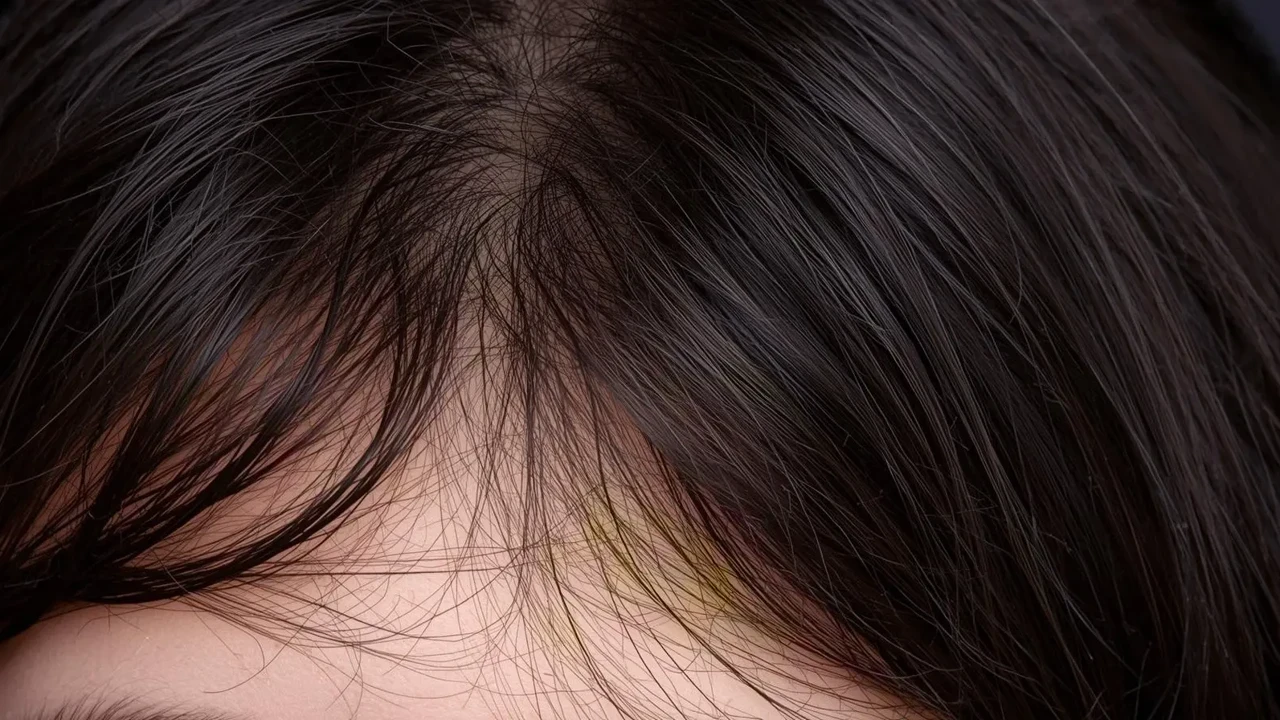
Dull hair is one of the most common beauty concerns for men and women, yet it often appears suddenly and without warning. Hair that once looked shiny, soft, and full of life can start to appear flat, dry, and rough. While many people blame genetics or aging, the real reasons behind dullness are usually daily habits, environmental exposure, poor scalp health, or nutrient imbalances. The good news is that dull hair is almost always reversible with a few targeted changes. This guide breaks down the real causes behind lifeless hair and offers simple, practical solutions you can start using today.
What Makes Hair Lose Its Natural Shine
Healthy shine comes from smooth cuticles that lie flat and reflect light. When the cuticle becomes rough, damaged, or lifted, the hair loses its natural ability to reflect light and looks dull.
Common Causes
Overwashing, excessive heat styling, harsh shampoos, pollution, sun exposure, poor diet, and dehydration. Even stress and hormonal imbalances can affect shine.
Understanding what’s causing the dullness helps you fix the problem more effectively.
Overwashing and Harsh Shampoos Strip Essential Oils
Many people wash their hair too often, thinking it keeps the scalp clean and fresh. But overwashing removes the natural oils that protect and nourish hair.
Why It Causes Dullness
Without natural oils, hair becomes dry, brittle, and unable to reflect light.
Simple Fix
Wash two to three times a week for normal hair and use sulfate-free shampoos. For oily hair, use a gentle cleanser that removes sebum without stripping moisture.
Heat Styling Weakens Hair Cuticles
Straighteners, curlers, blow dryers, and even hot styling brushes gradually damage hair cuticles. When cuticles remain lifted or cracked, the shine disappears.
How to Control Damage
Use heat protectant sprays before styling. Reduce heat frequency and keep temperatures between 120°C and 160°C. Allow hair to air-dry at least twice a week.
Hard Water Buildup Makes Hair Look Lifeless
Hard water contains minerals like calcium and magnesium that deposit on the hair shaft, making it feel rough and look cloudy.
How to Identify Hard Water Damage
Hair feels sticky, looks dull even after washing, and becomes difficult to style.
Easy Fix
Use a clarifying shampoo once a week and install a basic shower filter that reduces mineral deposits.
Lack of Moisture from Weather and Pollution
Extreme temperatures, UV rays, and pollution weaken natural moisture barriers, making hair appear frizzy and dull.
Quick Protection Tips
Wear a scarf or hat in strong sun, apply a light serum before stepping out, and choose leave-in conditioners with UV filters.
Using Too Many Hair Products Causes Build-Up
Serums, sprays, gels, and creams can accumulate on hair over time, blocking shine and weighing strands down.
Solution
Use a clarifying rinse every one to two weeks. Apple cider vinegar diluted with water works naturally to remove buildup and restore shine.
Nutrient Deficiencies Reduce Hair Strength and Glow
Hair reflects overall health. When the body lacks essential nutrients, the hair loses shine.
Key Nutrients for Shine
Omega-3 fatty acids, iron, zinc, biotin, vitamin D, and protein keep the hair strong and glossy.
Daily Nutrition Fix
Eat eggs, nuts, leafy greens, salmon, beans, and fruits high in antioxidants. Drink at least two to three liters of water a day.
Stress and Hormonal Changes Affect Hair Quality
Stress reduces blood flow to the scalp and depletes nutrients needed for healthy hair growth. Hormonal fluctuations can also impact sebum production, making hair look dry and dull.
What Helps
Meditation, eight hours of sleep, scalp massages to improve circulation, and a balanced routine help restore natural shine.
Simple, Everyday Fixes to Bring Back Shine
Switch to a Moisturizing Shampoo and Conditioner
Choose formulas containing argan oil, shea butter, keratin, or hyaluronic acid. These ingredients smooth the cuticle and improve shine.
Use Oils Correctly
Light oils such as argan, jojoba, or almond oil nourish without making hair greasy. Apply two to three drops on damp hair or only on the mid-lengths and ends.
Incorporate Weekly Hair Masks
Moisture-rich masks restore softness and shine by repairing dryness and surface damage. Look for masks with ceramides, collagen, or coconut milk.
Brush with the Right Tool
A boar bristle brush distributes natural oils evenly, making the hair look smoother and glossier.
Trim Split Ends Every 10–12 Weeks
Split ends make the hair appear rough and dull. Trimming removes damaged ends and improves the overall look instantly.
How to Build a Long-Term Shine Routine
Weekly Routine
Use a deep-conditioning mask, clarify buildup, and massage the scalp with warm oil.
Daily Routine
Protect hair from heat, use minimal styling products, and apply a lightweight serum.
Monthly Routine
Assess hair texture changes, trim ends, and adjust wash frequency if needed.
When to See a Dermatologist
If dullness continues despite consistent care, you may be experiencing underlying issues such as scalp dermatitis, hormonal imbalance, nutritional deficiencies, or chronic dryness. A dermatologist can recommend targeted treatments or supplements.
Final Thoughts
Dull hair is not permanent. By understanding the underlying causes and adopting simple changes such as reducing heat, switching to gentler products, improving hydration, and nourishing the body from within, you can restore shine naturally. Consistency is the key to maintaining healthy, glossy hair year-round.
Disclaimer
This content is for informational purposes only and should not replace professional medical or dermatological advice. Hair concerns may vary depending on individual conditions, lifestyle, and health factors. Always consult a qualified dermatologist or hair specialist if you experience persistent dullness, excessive shedding, or scalp-related issues, as these may require personalized diagnosis and treatment.