Global Markets Shake Today: What Investors Must Know Before It’s Too Late
Global financial markets are entering a high-volatility phase, and the biggest trigger right now is not tech or interest rates—it’s energy. A combination of oil supply disruptions, geopolitical tensions, and inflation fears is shaking investor confidence across the world.
If you’re an investor (or planning to be one), this is not the time to ignore what’s happening. Understanding the situation now can help you avoid losses and even spot opportunities.
What’s Causing the Global Market Shock?
The biggest factor behind today’s turbulence is the global energy crisis linked to Middle East tensions. The critical choke point here is the Strait of Hormuz, through which a significant portion of global oil supply flows.
- Nearly 20% of global oil supply passes through this route
- Disruptions have already removed large volumes of oil from the market
- Prices are rising rapidly due to supply fears
Recent reports show oil prices crossing $120 per barrel, the highest levels in years, driven by supply uncertainty and geopolitical risks .
Oil Prices Are Driving Everything Right Now
Oil is not just another commodity—it affects almost everything in the economy.
When oil prices rise:
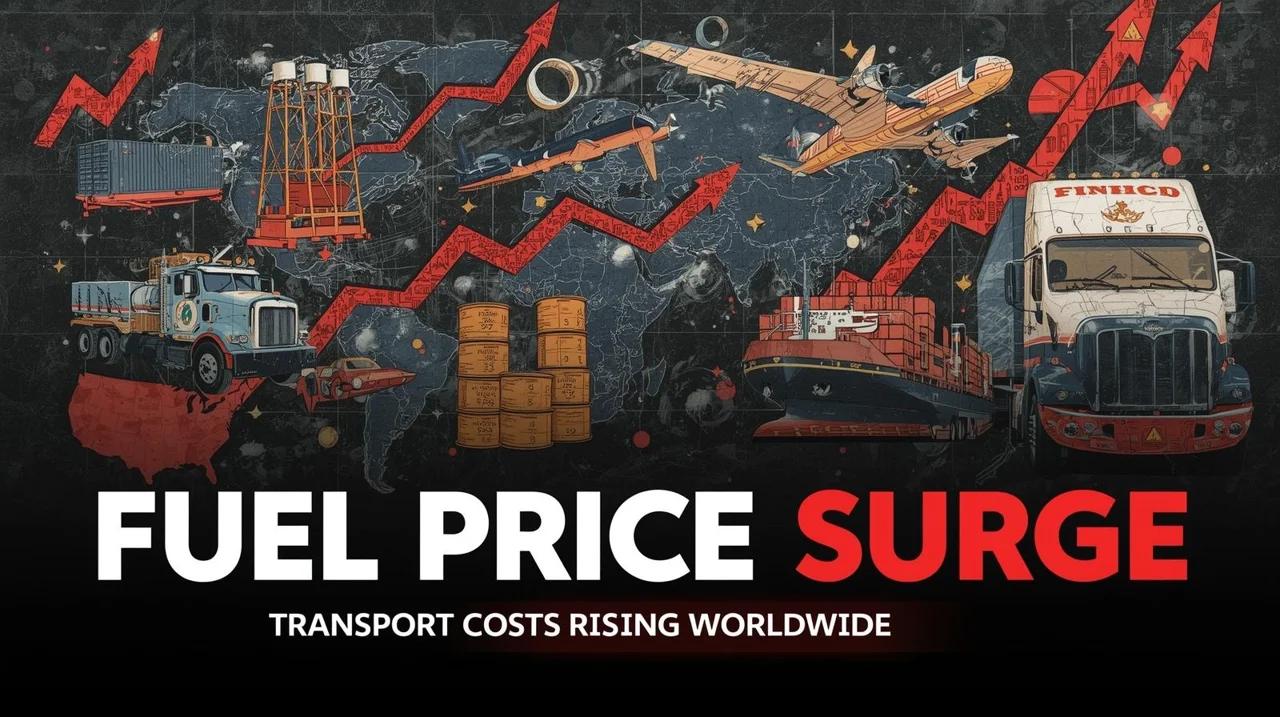
- Transportation costs increase
- Food and goods become more expensive
- Businesses face higher operating costs
This creates a ripple effect across global markets. Analysts warn that continued disruption could keep oil prices elevated above $100–$120 levels for a prolonged period .
At the same time, some experts believe investors are still underestimating the severity of this oil shock, which could worsen quickly if the situation escalates .
Inflation Is Rising Again (And That’s a Big Problem)
Higher energy prices directly push inflation up. And inflation is the biggest enemy of financial markets.
- Fuel prices have surged significantly in multiple regions
- Supply chain costs are increasing
- Everyday expenses are rising
This means central banks may delay interest rate cuts or even keep rates high for longer, which is bad news for stock markets.
Markets were expecting rate cuts—but now those expectations are fading due to inflation risks .
Why Stock Markets Are Becoming Unstable
Global stock markets are reacting in mixed ways:
- Some Asian markets are rising cautiously
- Western markets remain uncertain
- Investors are shifting toward safer assets
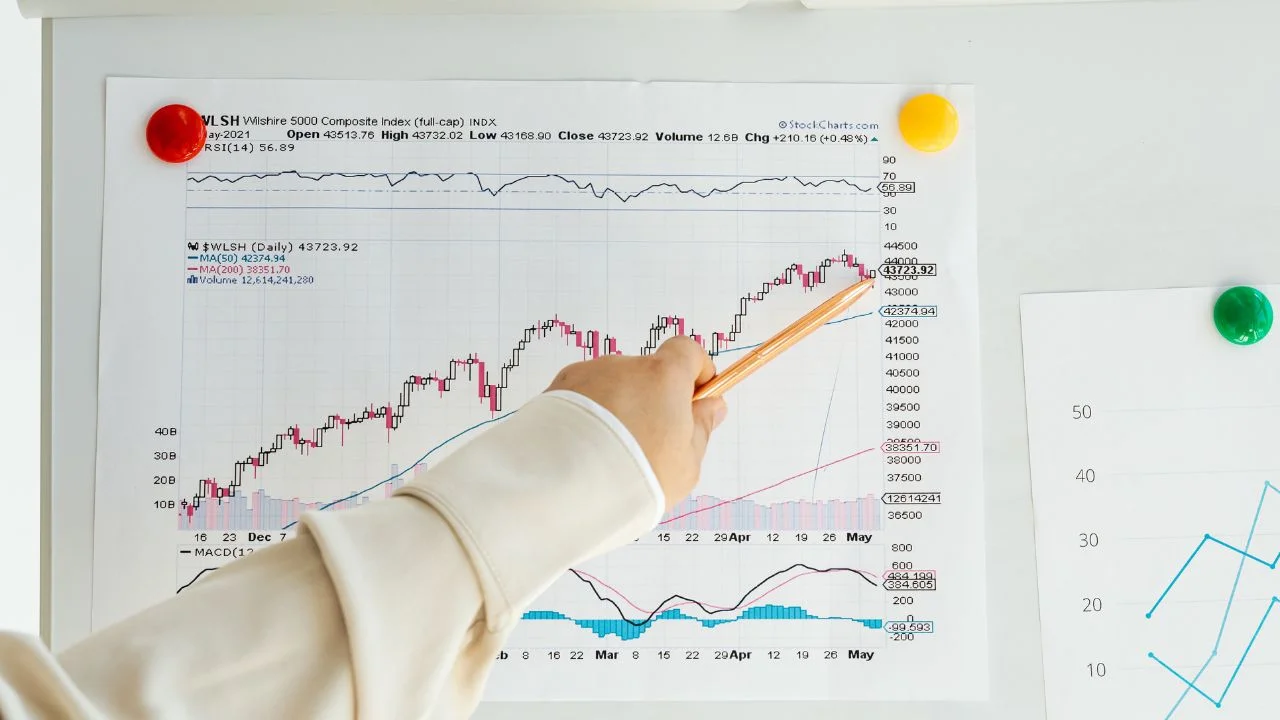
Even though some indices are showing temporary strength, the overall sentiment is fragile. Investors are watching oil prices, inflation data, and geopolitical updates closely before making major decisions .
Energy Crisis Could Trigger Bigger Economic Risks
This situation is not just about short-term volatility—it has long-term implications.
Experts warn that:
- A prolonged oil shock could slow global economic growth
- Developing countries may face severe pressure
- Inflation could remain high for longer
In fact, some reports suggest this could become one of the largest energy supply disruptions in modern history, comparable to past oil crises .
A Surprising Trend: Shift Toward Clean Energy
While the crisis is creating problems, it is also accelerating a major shift.
Countries are now:
- Investing more in renewable energy
- Reducing dependence on oil imports
- Exploring alternative energy solutions
The current situation is pushing many nations toward clean energy adoption faster than expected, which could reshape global markets in the long run .
What Smart Investors Should Do Right Now
This is where strategy matters. Instead of panicking, investors should focus on smart moves.
1. Stay Updated With Market Trends
Markets are changing quickly. Keep track of oil prices, geopolitical developments, and inflation data.
2. Avoid Emotional Decisions
Market volatility often leads to panic selling. Smart investors stay calm and think long-term.
3. Diversify Your Investments
Don’t depend on one sector. Consider spreading investments across:
-
Stocks
-
Commodities
-
Energy sector
-
Defensive assets
This helps in reducing risk during market uncertainty.
4. Watch Energy and Commodity Markets Closely
Energy stocks and commodities may benefit from rising oil prices. This could be an opportunity if managed carefully.
5. Prepare for Volatility, Not Stability
This is not a stable market phase. Expect ups and downs, and plan accordingly.
Biggest Risk Right Now: Underestimating the Situation
One of the biggest dangers for investors is ignoring what’s happening.
Many markets are still showing resilience, but experts warn that:
- The full impact of the crisis may not be visible yet
- Oil shocks often hit markets with a delay
- Sudden corrections can happen anytime
In short, this is a high-risk, high-uncertainty environment.
Final Thoughts: Act Smart Before It’s Too Late
Global markets are not collapsing—but they are clearly under pressure. The combination of rising oil prices, geopolitical risks, and inflation concerns is creating a complex situation.
For investors, this is a critical moment. Those who stay informed, diversify, and think long-term will be in a much stronger position than those who react emotionally.
The situation is still evolving—but one thing is clear:
Ignoring these signals could be costly. Acting smart could be rewarding.
Disclaimer
This article is for informational purposes only and does not constitute financial advice. Market investments are subject to risks, and decisions should be made carefully based on individual research or professional guidance.