Explained — Why Gold and Silver Prices Are Rising Even as US–Iran Tensions Cool Down
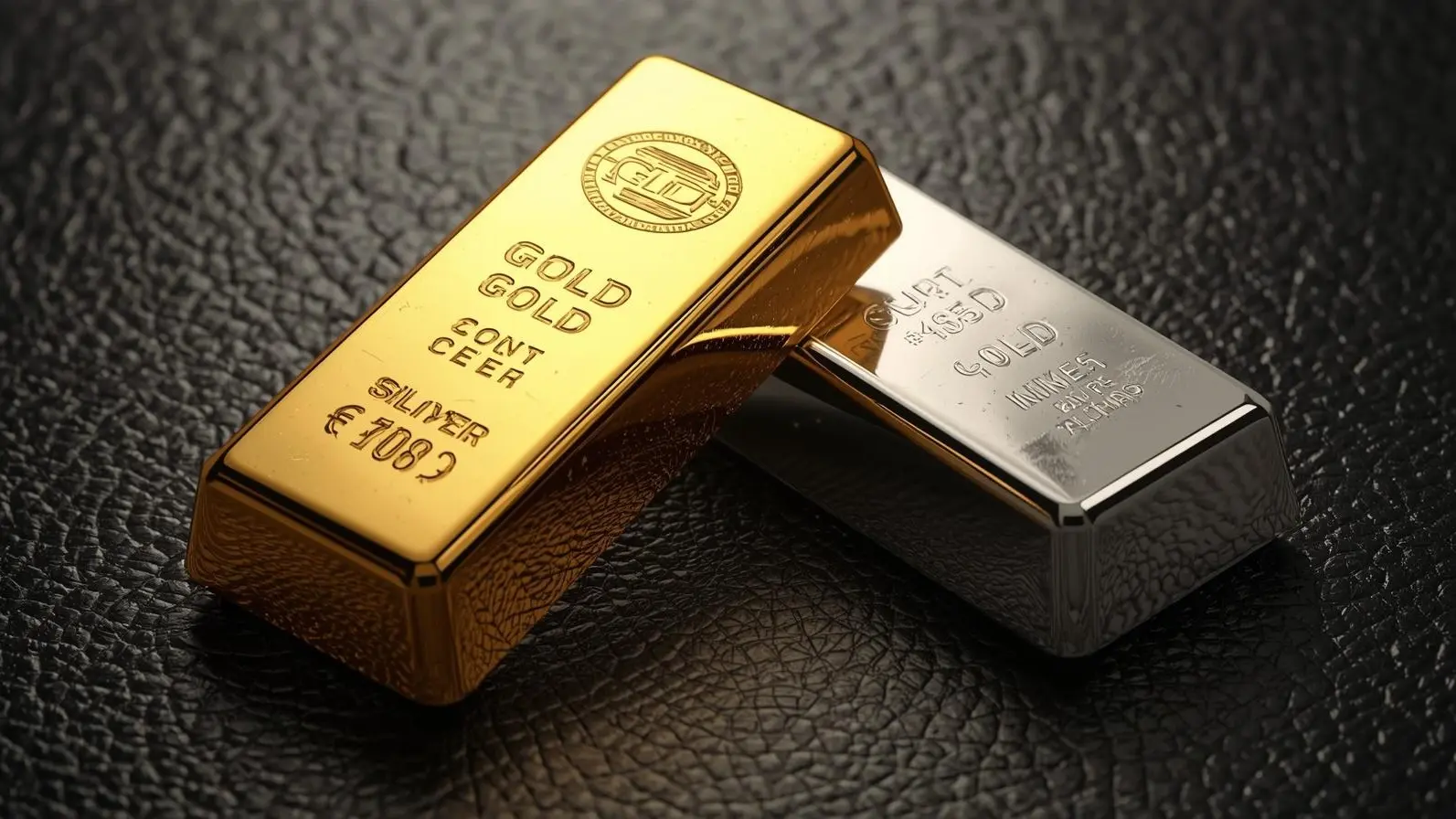
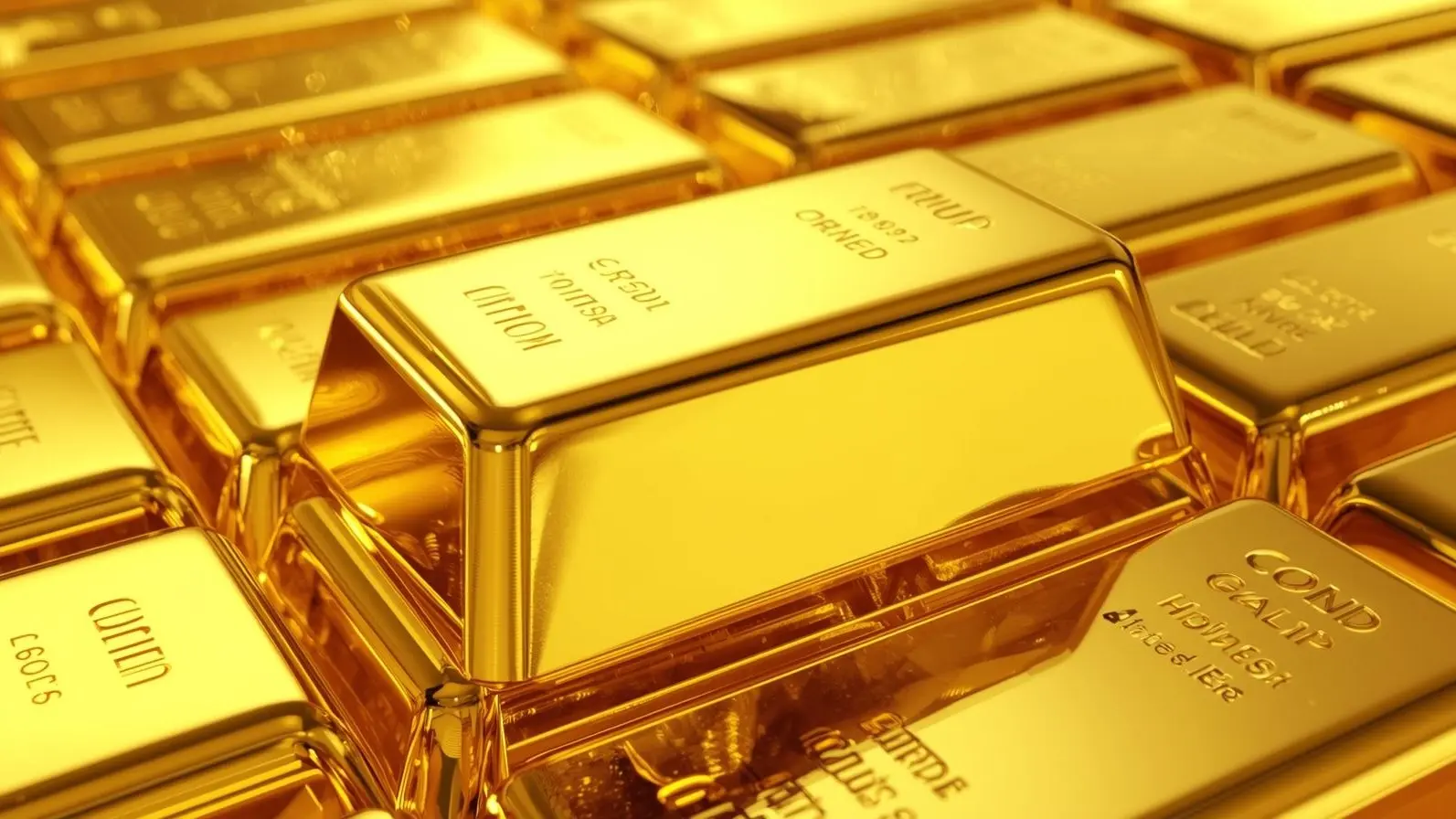
Gold and silver have long been considered safe-haven assets, meaning investors tend to move their money into these metals during uncertain times. Normally, when geopolitical tensions rise—especially between major nations like the United States and Iran—prices of gold and silver increase sharply. However, what is unusual in the current scenario is that even as tensions appear to ease, both metals continue to show upward momentum.
This situation highlights that global financial markets are influenced by multiple deeper factors beyond just headline geopolitical developments.
Global Economic Uncertainty Continues to Drive Demand
Even though one major geopolitical concern may be cooling down, the overall global economic environment is still uncertain and fragile. Many economies are facing slow growth, high inflation pressure, and rising debt burdens. Countries are struggling to maintain stable growth after years of disruptions caused by global crises, supply chain issues, and policy changes.
Investors are not just reacting to one event but are looking at the broader economic outlook. When they see risks such as recession fears, weak job markets, and unstable financial systems, they prefer to protect their wealth. Gold and silver, being tangible assets with historical value, become attractive options during such uncertain times. This continued uncertainty ensures that demand for precious metals remains strong even without immediate geopolitical pressure.
Inflation Pressures Are Still Affecting Investment Decisions
Inflation remains one of the biggest concerns for both individuals and institutional investors. Even if inflation rates show signs of slowing down in some regions, the overall cost of living is still high. Food prices, fuel costs, housing expenses, and daily necessities continue to strain household budgets across many countries.
Gold and silver are widely seen as effective hedges against inflation because they tend to maintain their value when paper currencies lose purchasing power. When people feel that their money is losing value over time, they turn to assets that historically preserve wealth. This ongoing fear of inflation is a strong reason why demand for these metals continues to rise, pushing their prices higher despite easing geopolitical tensions.
Central Banks Increasing Their Gold Reserves
A significant and often overlooked factor behind the rise in gold prices is the aggressive buying by central banks around the world. Many countries are actively increasing their gold reserves as part of their long-term financial strategies. This trend is driven by a desire to reduce reliance on foreign currencies and strengthen national financial security.
Central banks view gold as a stable and reliable asset that can protect their economies during financial crises. When multiple central banks purchase gold in large volumes, it creates strong demand in the market. This institutional buying has a powerful impact on prices and provides long-term support to the upward trend in gold.
Changing Expectations Around Interest Rates
Interest rates have a direct impact on the attractiveness of gold and silver as investment options. When interest rates are high, investors often prefer fixed-income instruments such as bonds and savings accounts because they offer better returns. However, when there are expectations that interest rates may decrease, the appeal of these instruments reduces.
Currently, there is growing speculation that major financial institutions like the Federal Reserve could lower interest rates to support economic growth. Lower interest rates reduce the opportunity cost of holding non-yielding assets like gold and silver. As a result, investors start shifting their funds toward these metals, contributing to rising prices.
Fluctuations and Weakness in the US Dollar
The strength of the US dollar plays a crucial role in determining gold and silver prices. Typically, when the dollar weakens, gold becomes cheaper for investors using other currencies, which increases global demand. This inverse relationship is a key factor in price movements.
In recent times, the US dollar has shown signs of volatility due to economic uncertainties and changing policy expectations. This has made gold and silver more attractive to international buyers. As demand increases globally, prices naturally move upward, even in the absence of strong geopolitical triggers.
Rising Industrial Demand Supporting Silver Prices
Silver is unique compared to gold because it has both investment and industrial uses. While it serves as a store of value, it is also widely used in various industries, especially in modern technologies.
The growing focus on renewable energy and advanced electronics has significantly increased the demand for silver. It is a key component in solar panels, electric vehicles, batteries, and electronic devices. As countries invest more in clean energy and sustainable technologies, the demand for silver continues to rise steadily.
This industrial demand creates a strong foundation for silver prices, ensuring they remain elevated even when investment demand fluctuates.
Persistent Global Geopolitical Risks
Although tensions between the United States and Iran may have eased temporarily, the global geopolitical environment remains complex and uncertain. There are multiple ongoing issues across different regions, including trade conflicts, regional disputes, and political instability.
Investors are aware that geopolitical situations can change rapidly. Instead of reacting only to current developments, they consider potential future risks. This forward-looking approach keeps demand for safe-haven assets like gold and silver strong, as investors aim to protect themselves against unexpected global events.
Investor Behavior and Market Sentiment
Market sentiment plays a crucial role in determining price movements. Investors often make decisions based on expectations, emotions, and perceived risks rather than just actual events. In uncertain times, fear and caution dominate market behavior.
Currently, many investors are adopting a defensive strategy by reducing exposure to volatile assets such as equities and cryptocurrencies. They are reallocating their investments into safer options that offer stability and long-term value. Gold and silver fit this requirement perfectly, making them preferred choices during periods of uncertainty.
This shift in investor mindset is another major factor contributing to the continued rise in prices.
What Investors Should Watch Next
Going forward, several key factors will continue to influence the movement of gold and silver prices. These include global inflation trends, central bank policies, interest rate decisions, currency fluctuations, and developments in industrial demand.
Investors should also keep an eye on how major economies respond to economic challenges and whether geopolitical tensions resurface or escalate in new regions. Monitoring these indicators can provide better insights into future price trends and help in making informed investment decisions.
Disclaimer
This article is for informational purposes only and should not be considered financial or investment advice. Market conditions can change rapidly, and readers are advised to consult with a qualified financial advisor before making any investment decisions.