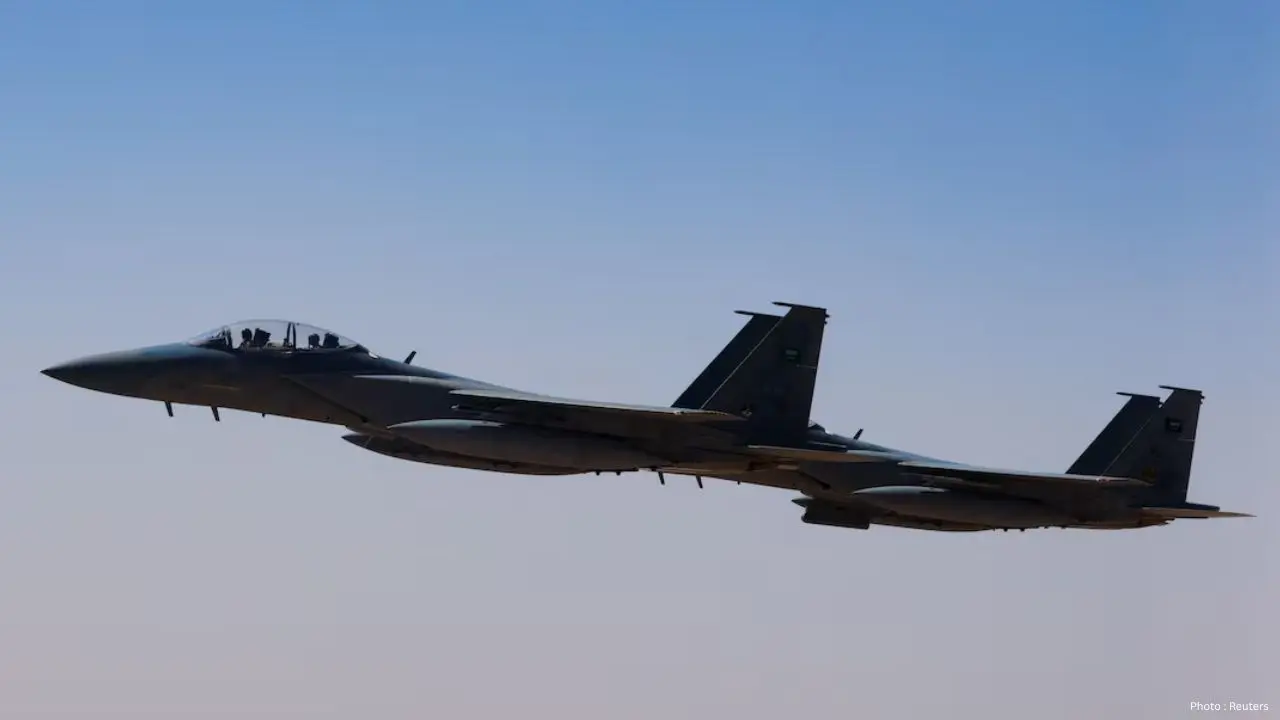
New tensions have emerged in the Middle East as reports suggest that Saudi Arabia executed covert military strikes within Iranian territory amidst ongoing regional conflict. A Reuters article dated May 12 reveals that these strikes occurred in late March as retaliation against missile and drone attacks that targeted Saudi Arabia during the continuing Iran war.
If verified, this represents the first acknowledged direct military engagement by Saudi Arabia inside Iran. This situation is critical as both Saudi Arabia and Iran are key power brokers in the Middle East, historically vying for influence through political maneuvers, proxy wars, and indirect engagements. A direct military clash between these two giants could significantly alter the power dynamics in the Gulf and heighten the possibility of a broader regional war.
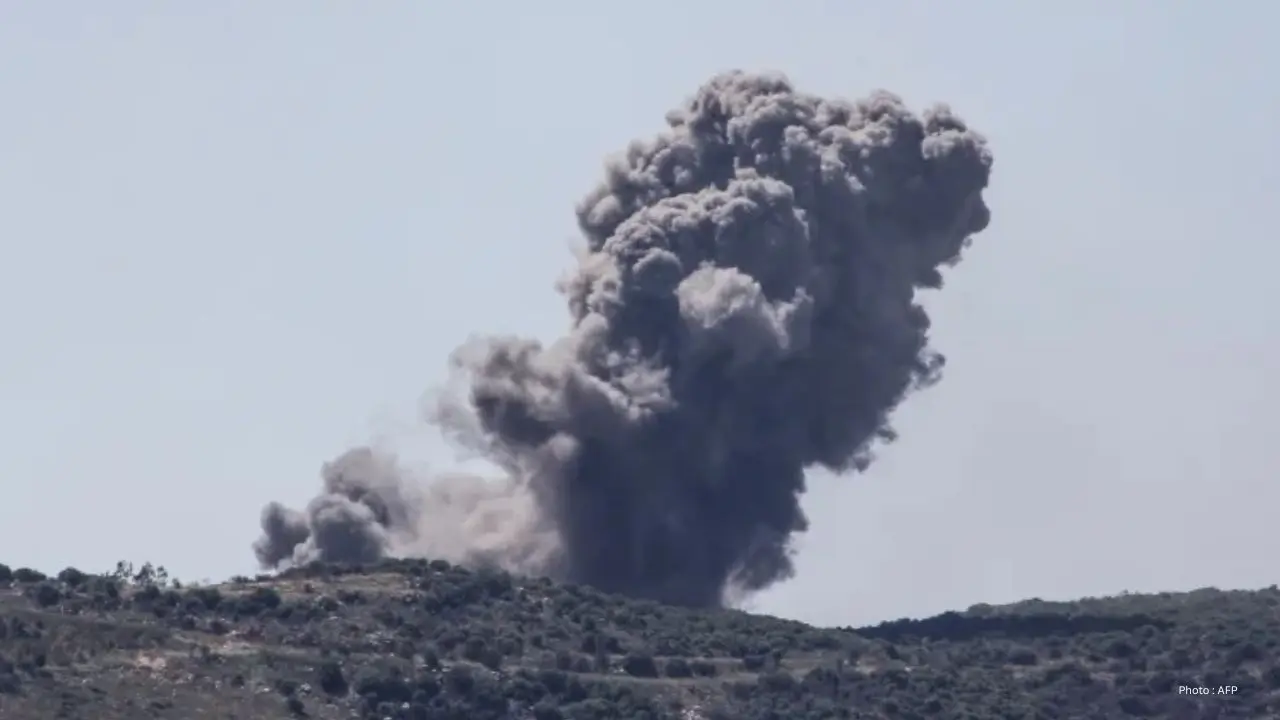
The Reuters article indicates that Saudi fighter jets conducted several undisclosed attacks following a series of missile and drone assaults launched by Iran and its allied factions against Saudi targets. The precise locations of the Saudi strikes were not disclosed. Officials from Saudi Arabia have not publicly confirmed the operations, nor has Iran formally addressed these allegations.
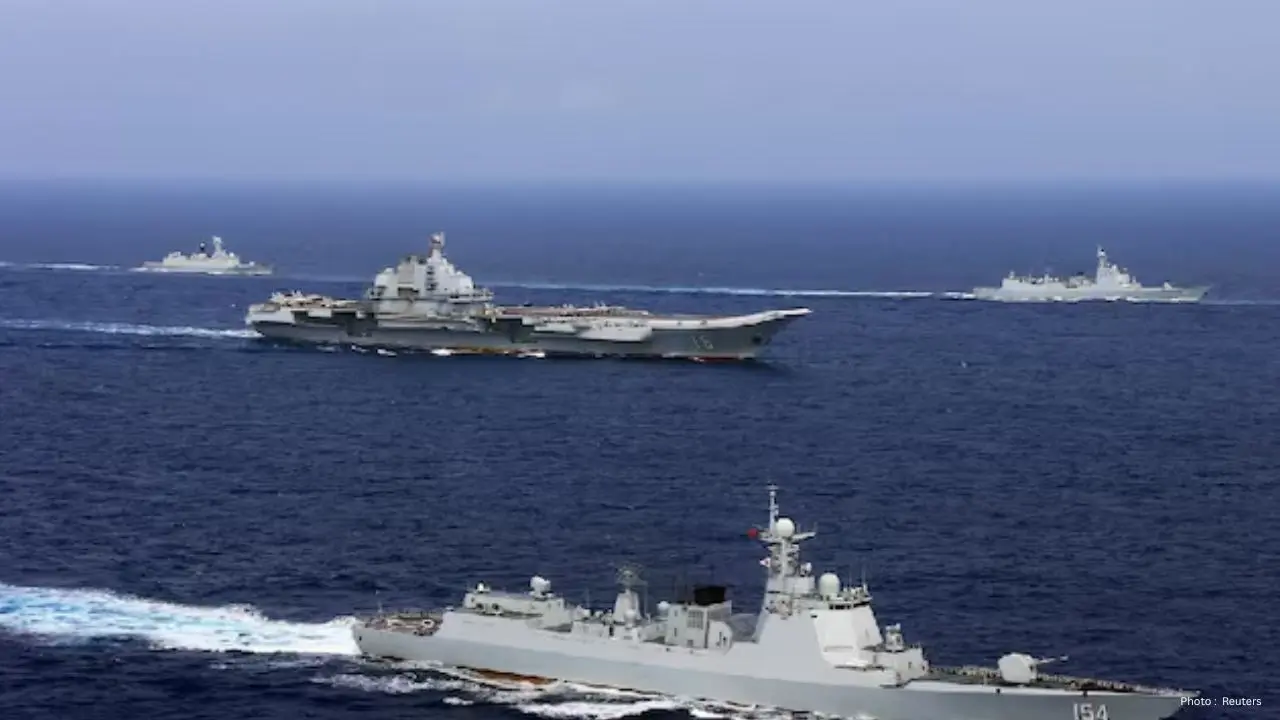
These reported assaults come during a larger conflict ignited by airstrikes on Iran ordered by the United States and Israel earlier this year, which subsequently escalated tensions across the Gulf. Iran has purportedly targeted various vital infrastructures in Gulf nations, including oil facilities, military installations, and airports, primarily focused on Saudi Arabia.
Traditionally reliant on U.S. military support, Saudi Arabia appears to be adopting a more assertive and self-reliant military stance amid the latest tumult. Analysts suggest that Riyadh may feel compelled to act decisively following repeated threats to its oil infrastructure, economy, and overall national security.
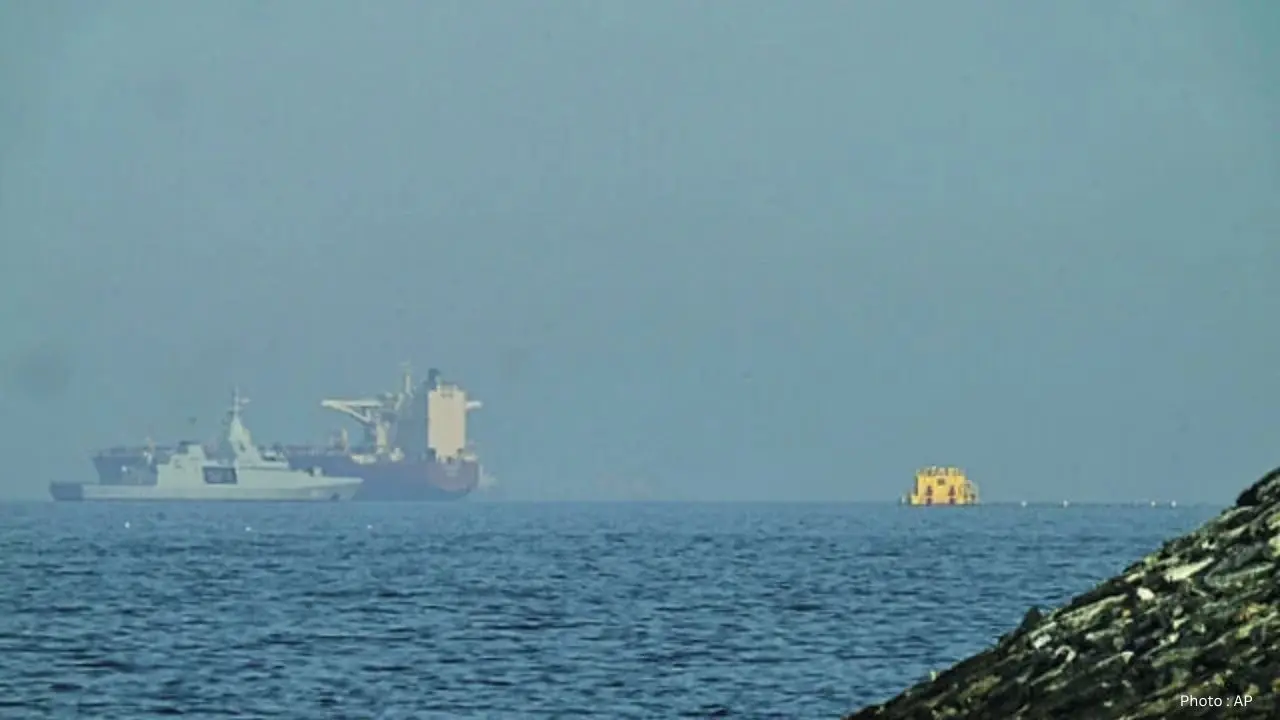
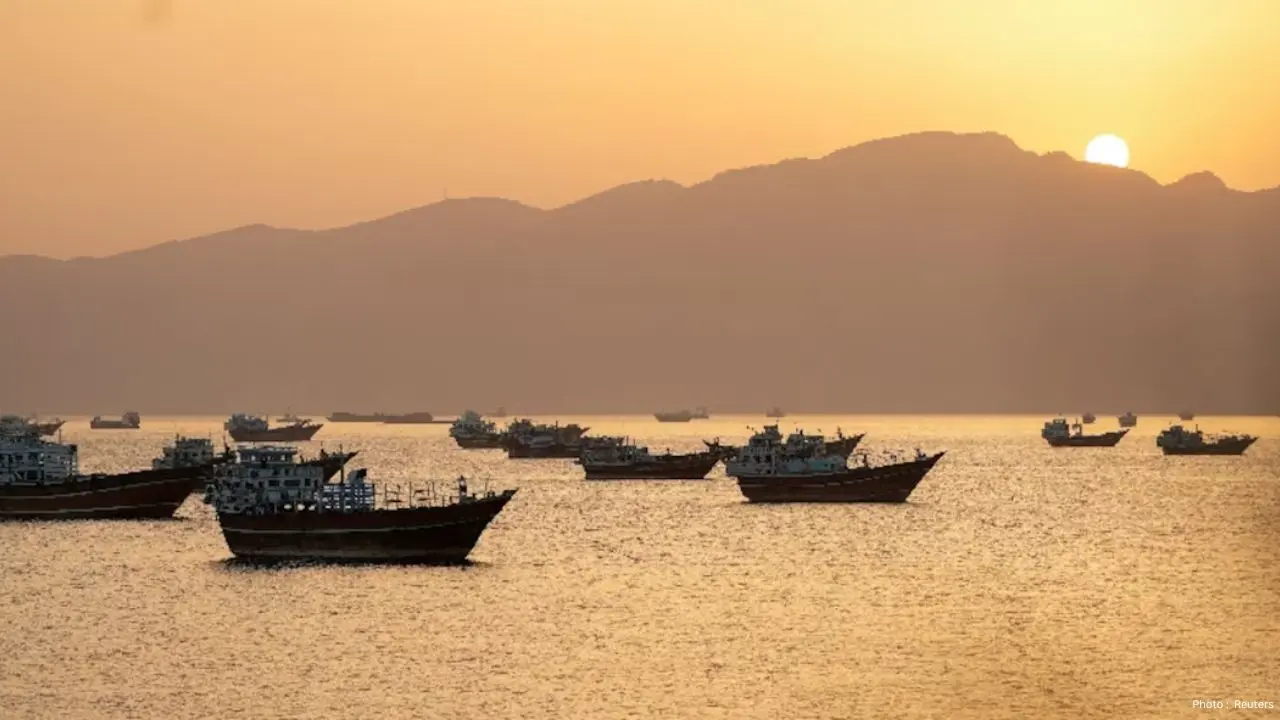
The Gulf region is a critical hub for the global economy, providing a significant portion of the world's oil and gas supply. Consequently, a conflict involving Saudi Arabia and Iran could immediately impact fuel prices, international shipping routes, and the flow of global trade. The Strait of Hormuz, an essential artery for oil transport near Iran, has seen Iran broaden its definition of military territory, further escalating fears of disruptions to global energy supplies.
Market reactions have already exhibited unease, as rising oil prices and declining Gulf stock markets indicate investor concerns that the ongoing tensions could derail peace negotiations between Iran and the U.S.
Significantly, following the Saudi strikes, direct Iranian attacks on Saudi territories reportedly decreased, suggesting that recent diplomatic engagements between Riyadh and Tehran might have temporarily eased tensions. However, both parties seem to be acutely aware of the perils posed by allowing the conflict to escalate towards a full-scale war.
Despite this, the landscape remains perilous. The Middle East has not been a stranger to long-standing instability, characterized by conflicts in Yemen, Syria, Iraq, and Lebanon. A direct military showdown between Saudi Arabia and Iran could inevitable draw additional nations into the conflict, with regional actors like the UAE, Qatar, and Bahrain potentially becoming involved.
The humanitarian ramifications are yet another grave concern. Warfare in the Middle East often results in civilian casualties, extensive displacement, and significant infrastructural damage. In such conflicts, critical facilities are prime targets, leaving everyday citizens suffering the brunt of governmental conflicts.
The emerging Saudi military actions underscore a growing trend where modern conflicts occur covertly or through limited operations that evade immediate disclosure. Governments might seek to navigate public attention while sending signals to their adversaries, introducing a veil of uncertainty, as citizens and the international community may remain uninformed about the scope of underlying military operations.
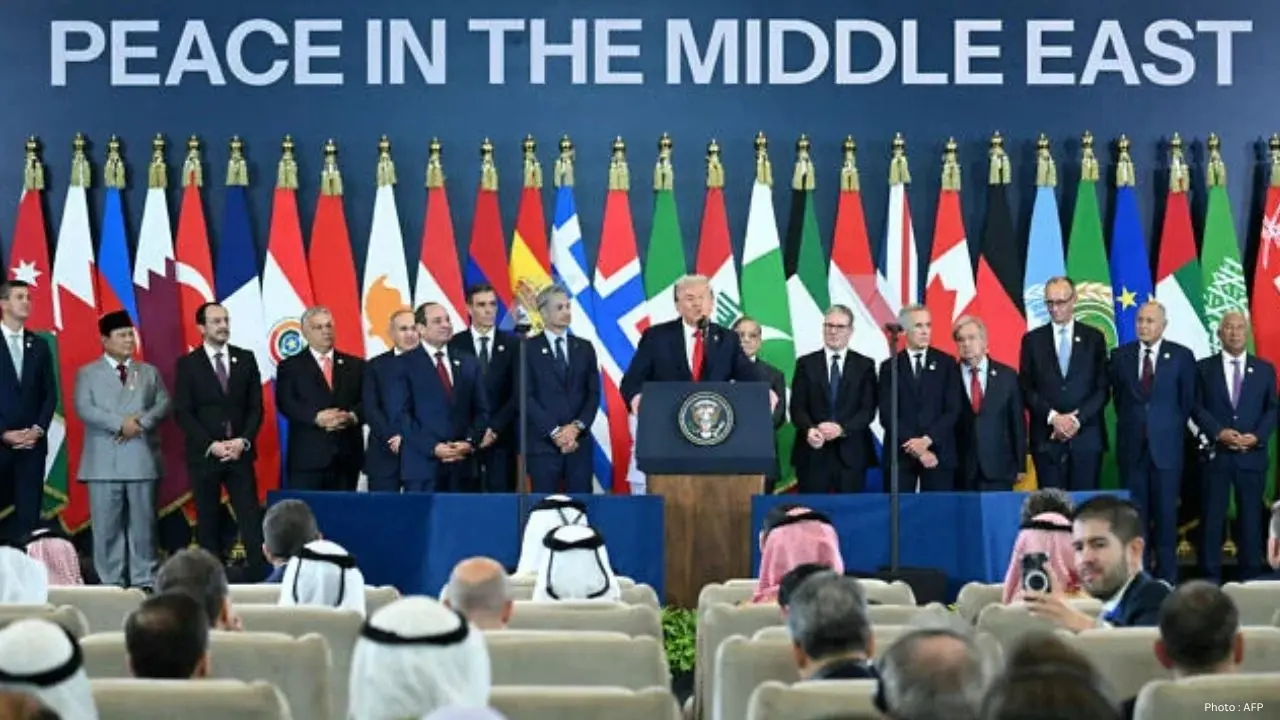
Coordination and dialogue are now crucial as various nations worldwide, including major global powers, advocate for calm to avert another catastrophic regional war. International organizations and the United Nations may also escalate pressure for mediation and ceasefire discussions.
Nonetheless, the fractured trust between Iran and its Gulf Arab counterparts poses a significant challenge. Years marked by rivalry, proxy engagements, and entrenched political disagreements have created substantial rifts. Even if a temporary calm is reached, the looming specter of future confrontations remains unless sustainable political solutions are established.
The latest developments serve as a stark reminder of the fragile nature of peace in the Middle East. A solitary strike or military miscalculation could swiftly propel the region towards a more extensive conflict. The global stakes are high, as instability within the Gulf reverberates beyond the Middle East, affecting energy prices and international security.