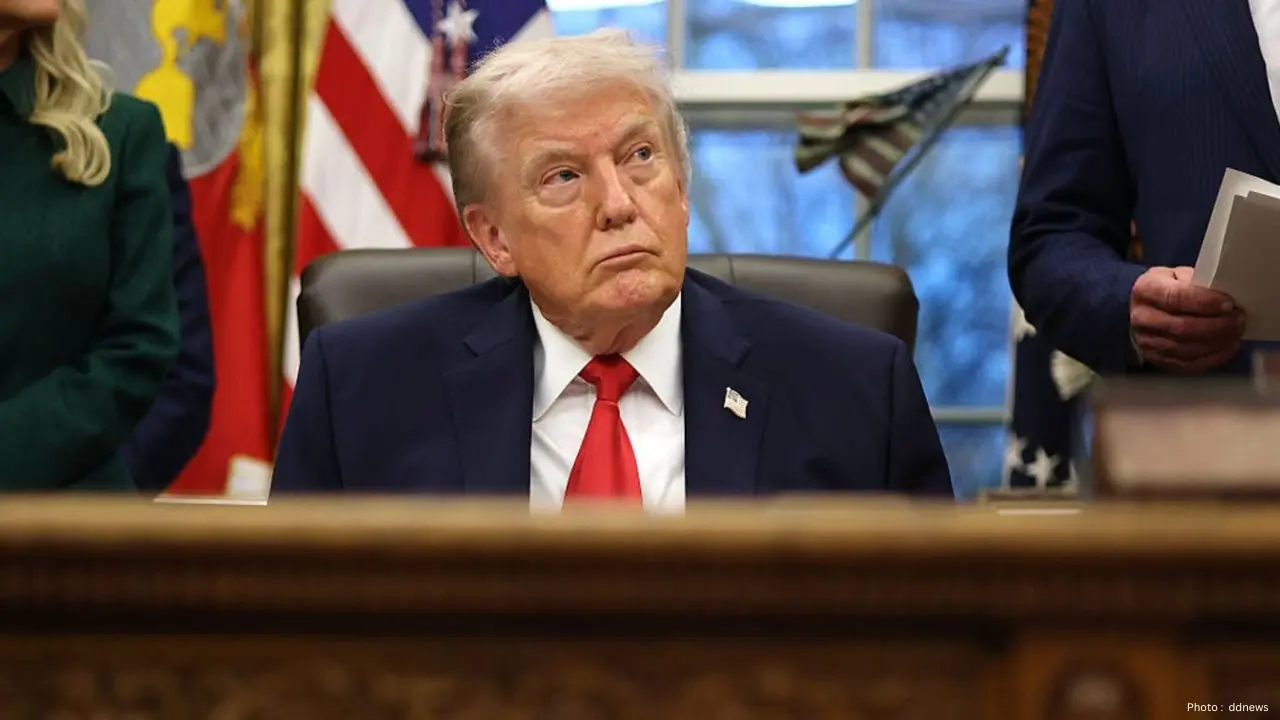
U.S. President Donald Trump has indicated that another strike on Iran could be on the table should current negotiations fail. He noted that Tehran seems eager to secure a diplomatic deal to avoid further skirmishes.
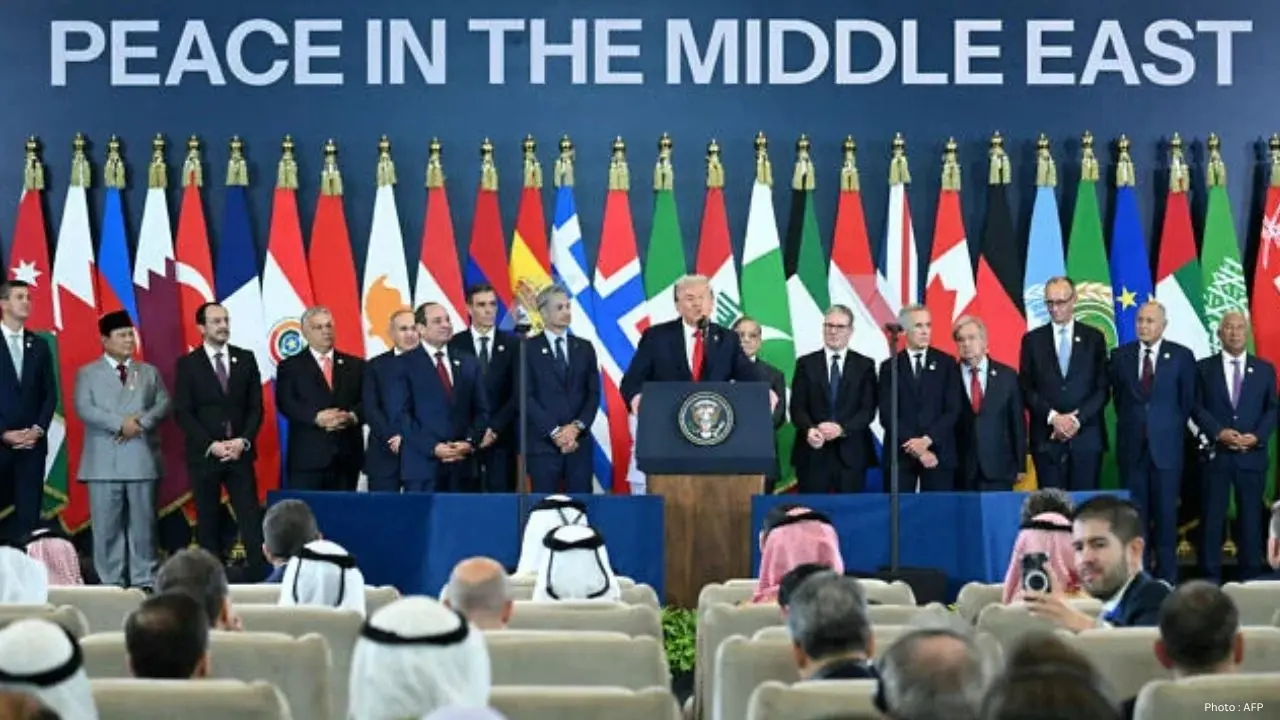
During a press conference at the White House, Trump shared that he was close to sanctioning military action against Iran but opted for restraint as talks continue. He remains hopeful that an agreement can be achieved if discussions progress in the coming days.
This statement arises amid escalating tensions in the Middle East. The relationship between Washington and Tehran has been fraught with instability stemming from disagreements over Iran’s nuclear aspirations, its regional influence, and security issues in the Gulf.
Trump emphasized that the United States stands ready to act if Tehran fails to adhere to the discussed terms but also hinted that Iranian leadership is interested in avoiding a broader military conflict.
The evolving situation has created significant uncertainty in global markets, particularly affecting the energy sector. Investors and oil traders are paying close attention, as any confrontation with Iran could severely influence global oil supplies and prices.
As a pivotal player in the Middle East, Iran impacts key energy routes. Any escalation in tensions near the Strait of Hormuz, a critical oil shipping corridor, could disrupt international trade and elevate fuel costs globally.
Political analysts interpret Trump’s latest comments as a blend of pressure and diplomatic outreach. While the U.S. continues to caution Iran about possible military responses, it also appears open to negotiations if substantial progress is made.
Experts suggest that both nations recognize the dangers of igniting another extensive conflict, which could destabilize the region, harm the global economy, and exacerbate political strains across the Middle East.
Current diplomatic conversations likely encompass Iran’s nuclear program, sanctions, regional safety, and future military frameworks. Nevertheless, reaching a consensus remains intricate, as both parties hold firm on various critical issues.
As global observers keep a watchful eye, numerous countries are advocating for dialogue and peaceful resolutions rather than escalating military tensions.
Oil markets are already responding to this volatility, showcasing sensitivity to statements from both Washington and Tehran. Even minor shifts in negotiations can swiftly affect financial markets worldwide.
Some analysts view this scenario as part of a broader contest for dominance in the Middle East, intertwining political, security, and economic interests.
Despite the U.S.’s stern warnings, lines of diplomatic communication remain open, fostering cautious optimism that negotiations might avert further military confrontations.