Israel and Lebanon have come to an agreement to prolong their ceasefire for an additional 45 days, signaling a small yet significant beacon of hope after numerous months marked by violence and insecurity along the border. This agreement followed two days of discussions in Washington, actively supported by the United States.
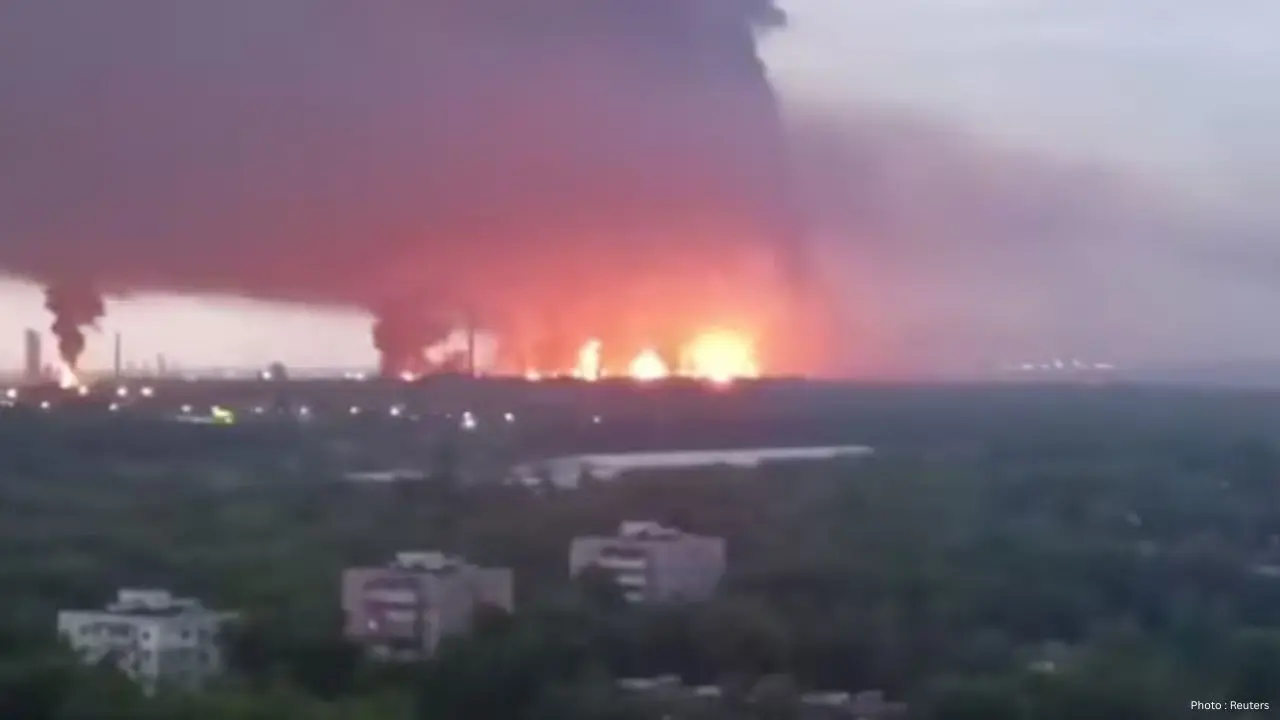
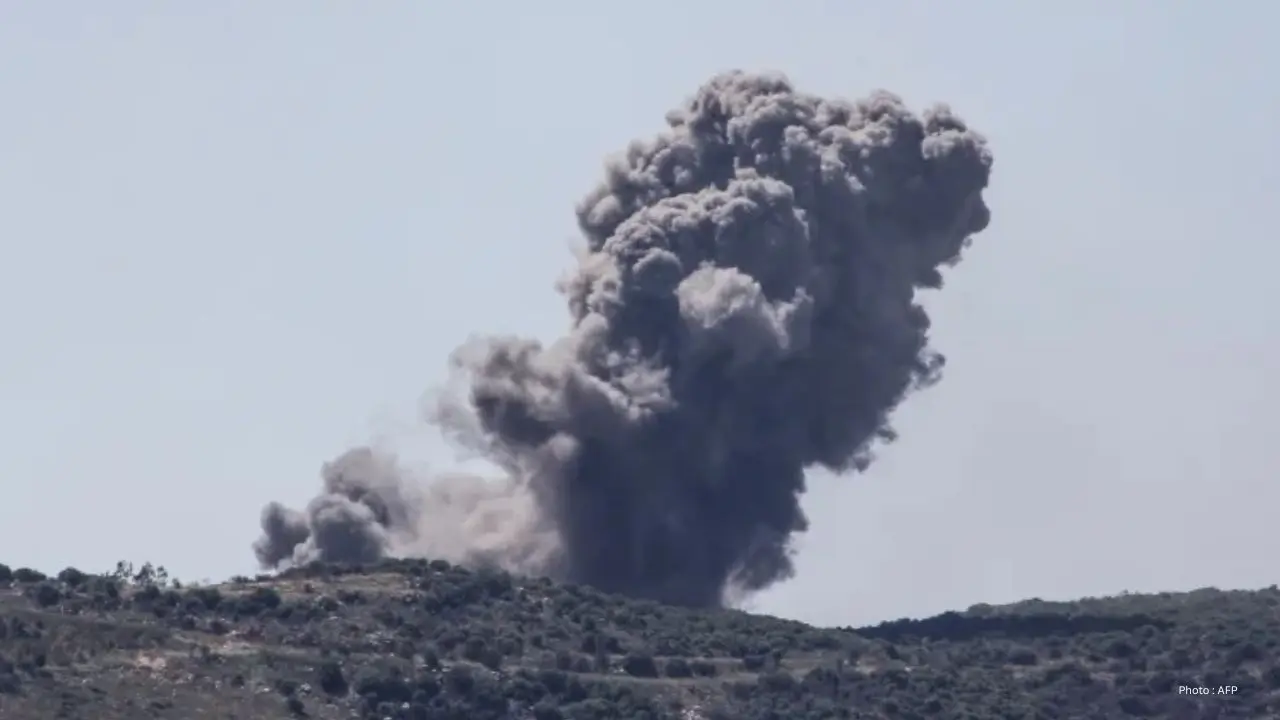
The ceasefire was first declared in April, following intense confrontations between Israeli forces and Hezbollah combatants in southern Lebanon. This conflict resulted in severe destruction, displacing countless families and instilling fears of broader warfare in the Middle East. Reports indicate that over a million people were displaced during the violence, with border towns suffering considerable destruction.
This latest ceasefire extension is intended to allow more time for negotiations and to mitigate the chances of another significant military engagement. Officials from both nations are anticipated to continue their discussions in the upcoming weeks. Future meetings may concentrate on border security, military actions, and establishing long-term stability in the area.
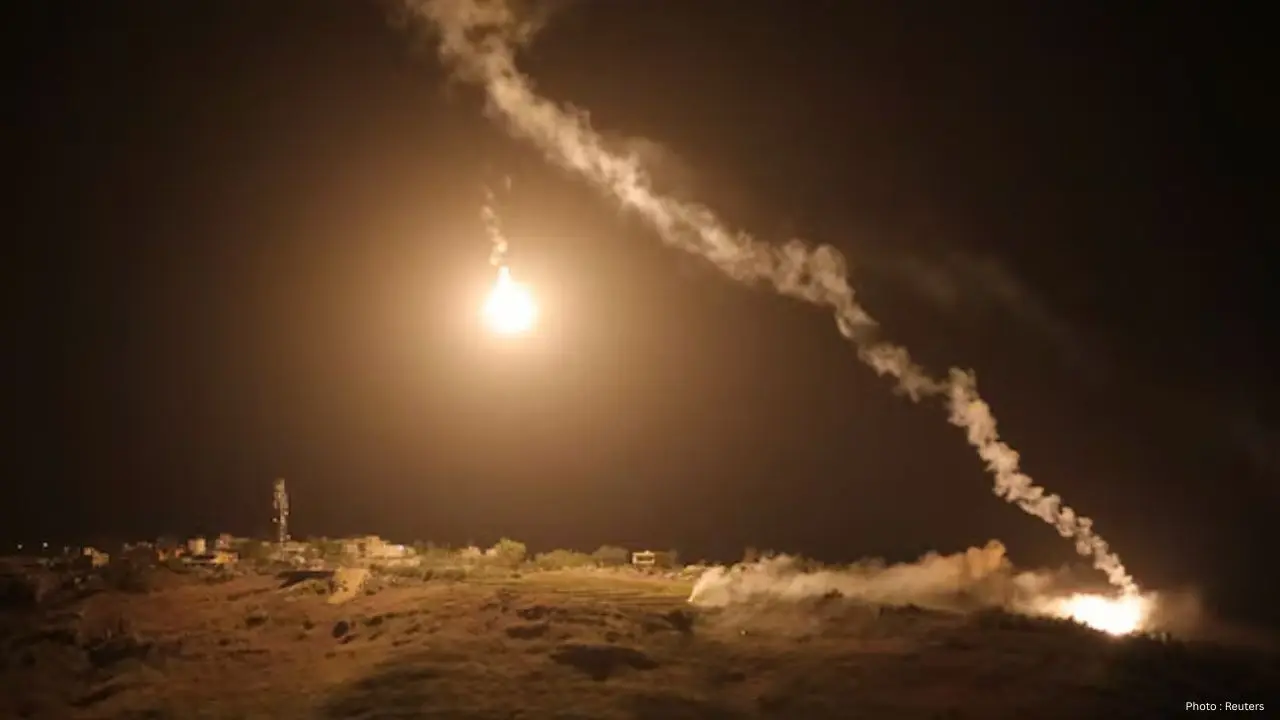
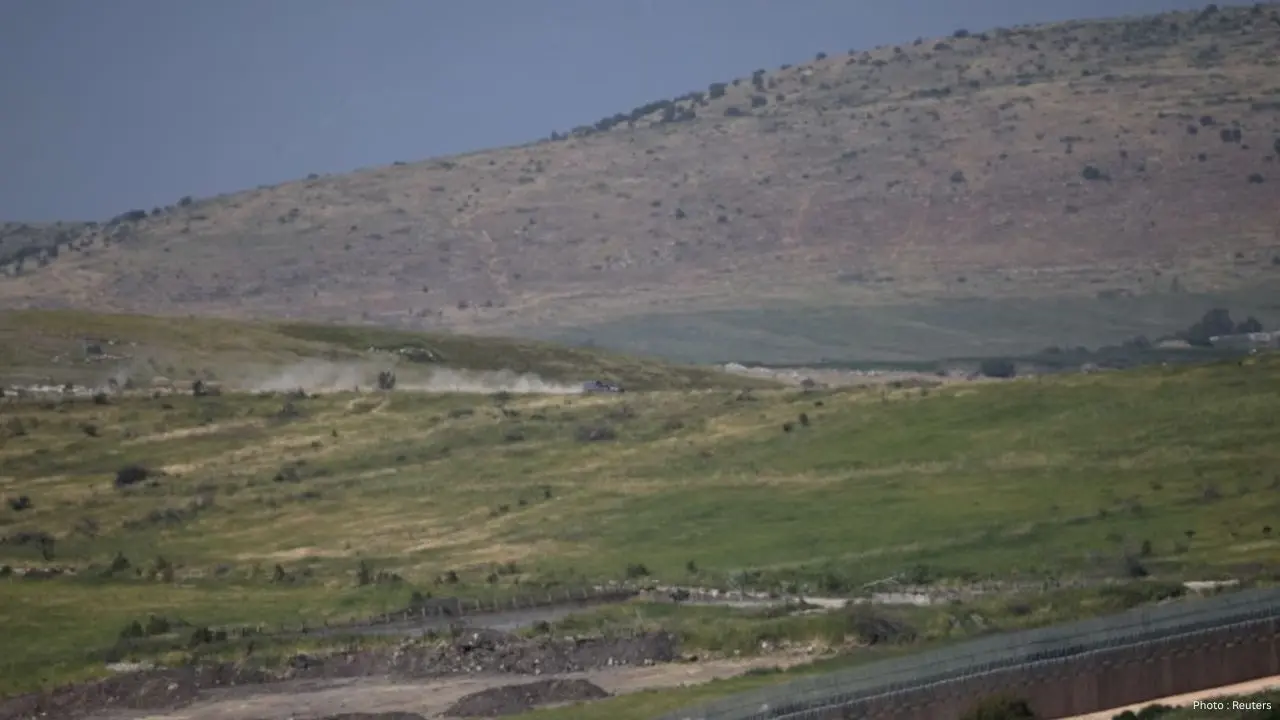
While the ceasefire extension offers a reprieve, the overall situation remains precarious. New strikes and security measures have taken place in certain areas, illustrating that trust between both sides is still minimal. Many residents near the border harbor fears of renewed conflict.
A key concern continues to be the role of Hezbollah, the Iran-backed militant group based in Lebanon. Israel has consistently advocated for stronger measures against Hezbollah, deeming it a significant security risk. Conversely, Lebanese leaders are attempting to navigate internal political pressures while steering clear of another catastrophic war.
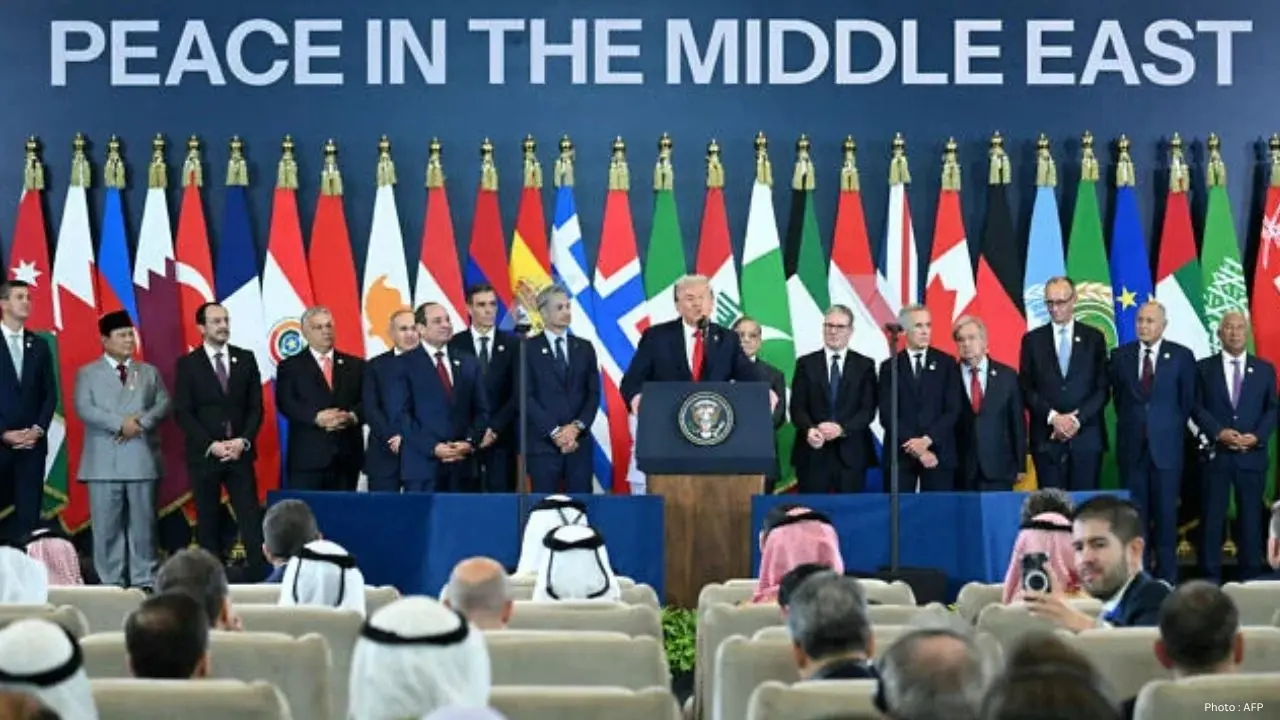
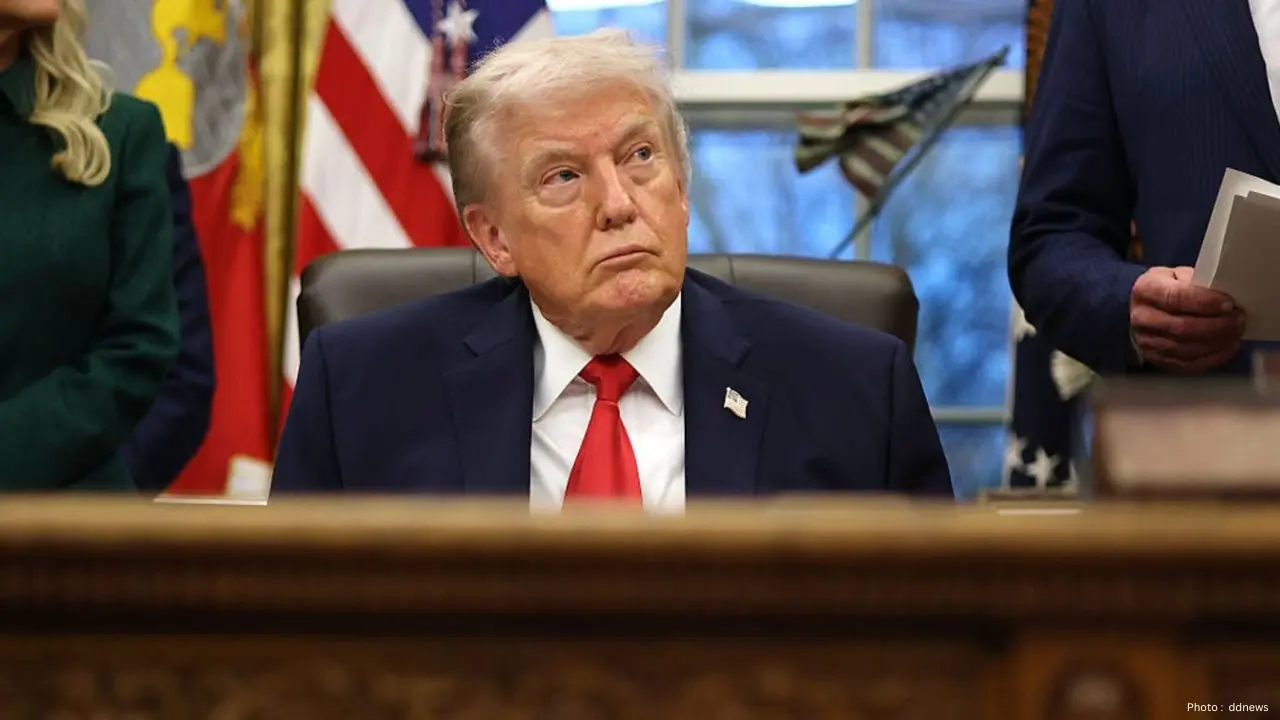
The United States has played a crucial role in encouraging continued dialogue between both parties. American officials have described the recent talks as fruitful and have expressed optimism that diplomacy could eventually pave the way for a more comprehensive peace agreement. These negotiations are seen as historically relevant since direct communication between Israel and Lebanon has been remarkably uncommon for decades.
For the average citizens in the region, the ceasefire extension provides temporary relief but fails to bring full peace. Families displaced by the strife are still struggling to restore their lives, while local economies continue to falter.
While the extension of the ceasefire does not resolve the underlying political and security dilemmas, it does present an opportunity for dialogue to persist rather than spiraling into further violence. In a region plagued by years of conflict, even a brief interlude of calm can make a substantial impact.