As Taiwan President Lai Ching-te commemorates his second year in leadership, he does so in an environment fraught with escalating political and military tensions with China. The current government faces serious challenges relating to security, diplomacy, economic growth, and divisive internal politics.
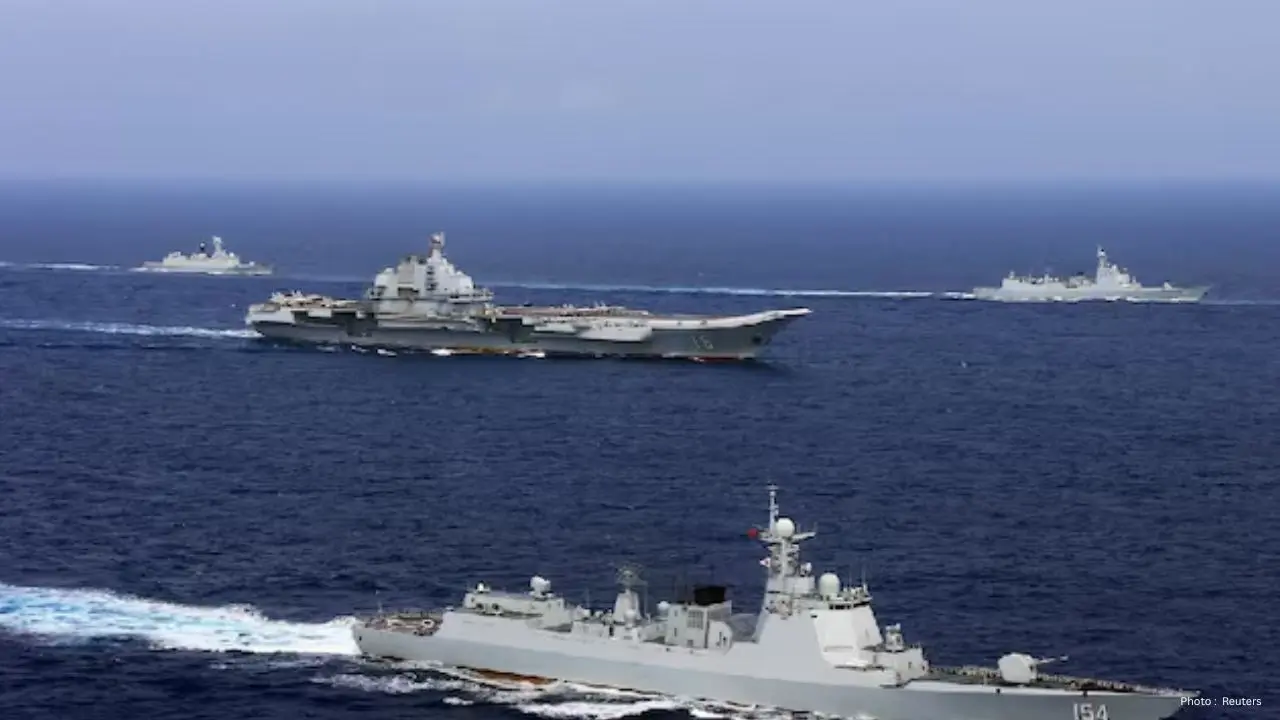
In the lead-up to his public address, Taiwan's leadership has sharply condemned China's increasing military presence surrounding the island. Taiwanese officials have branded Beijing's maneuvers as one of the most significant threats to peace and stability across the Indo-Pacific region. Over the last year, the rise in Chinese military aircraft, naval vessels, and war exercises near Taiwan has ignited concerns both domestically and globally.
China views Taiwan as part of its territory and has consistently asserted that it might resort to force to assert control over the island. Conversely, Taiwan refutes these claims and insists that its future ought to be determined by its citizens. President Lai continues to uphold Taiwan's democratic values and sovereignty while advocating for peaceful dialogue with Beijing.
Since taking office in 2024, Lai has encountered mounting pressures from both international and local fronts. His administration has concentrated on bolstering Taiwan’s defense systems and fostering closer relationships with democratic countries, particularly the United States. Additionally, Taiwan is in the process of enhancing cooperation in sectors such as technology, trade, semiconductors, and security alliances.
Internally, the political opposition in Taiwan further complicates Lai's presidency. With opposition parties controlling a significant portion of parliament, they have obstructed numerous government initiatives. Disputes over defense expenditures, economic strategies, and relations with China have escalated tensions within Taiwan's political landscape.
International recognition remains a critical issue for Taiwan. China persistently pressures nations and international bodies to curtail Taiwan's participation. Recently, Taiwan was yet again excluded from the World Health Assembly despite backing from several countries that argued for Taiwan's role in global health efforts.
Experts emphasize that the ensuing years will be pivotal for Taiwan's future. As one of the world's foremost producers of advanced semiconductors, Taiwan plays a crucial role in the global economy and technology sector. Thus, the ongoing tensions surrounding the island impact not just Asia but also global markets and international politics.
President Lai's second anniversary signifies the precarious balance Taiwan seeks to uphold—safeguarding its democratic framework and national security while striving to prevent direct confrontation with China. While many in Taiwan yearn for lasting peace and stability, the mounting military activities and political pressures keep regional tensions elevated.