The ongoing conflict involving Iran is leading to significant financial repercussions for businesses worldwide. Recent estimates indicate that rising oil prices, disrupted shipping routes, and volatile markets have already resulted in losses exceeding $25 billion for global firms.
Various industries are increasingly burdened by the conflict, with airlines, shipping companies, manufacturers, and retail sectors being hit hardest. As tensions escalate in the Middle East, these companies are incurring higher costs for fuel, transportation, insurance, and supply chain management.
A major concern is the effect on global oil supply. The Middle East is a critical region for energy production, and military tensions there can swiftly alter international oil markets, impacting countries reliant on Gulf oil exports.
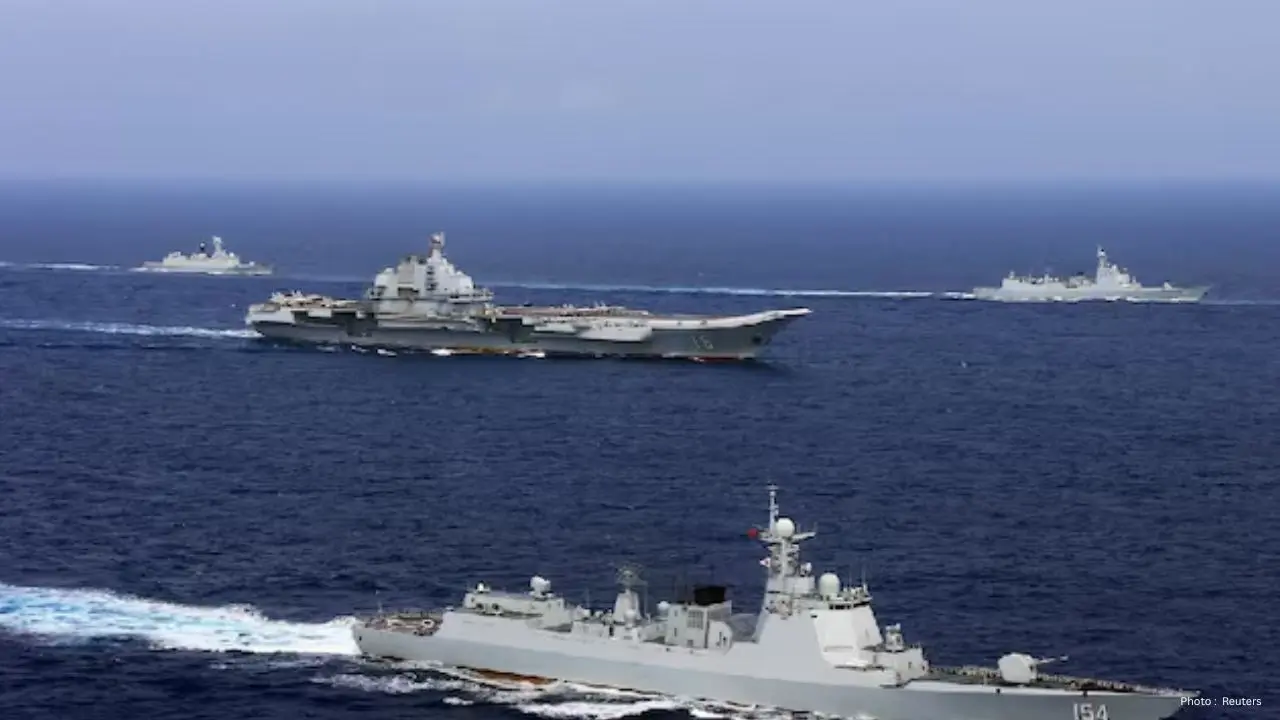
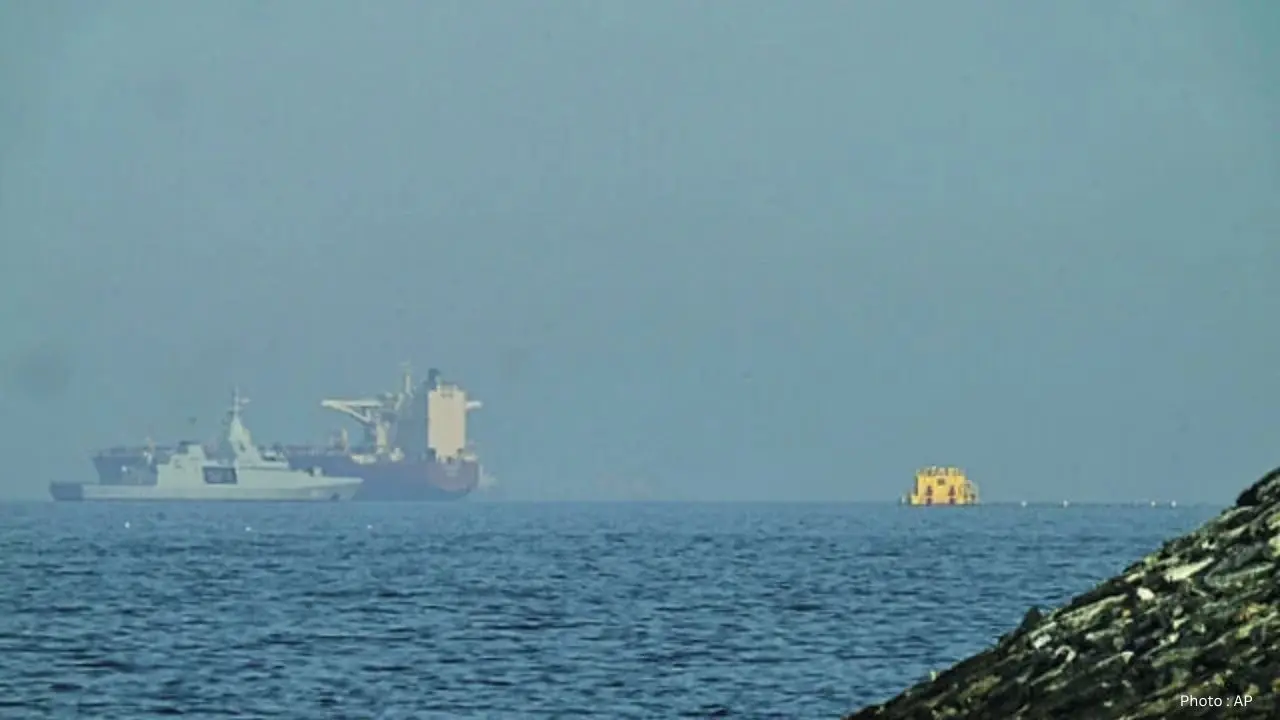
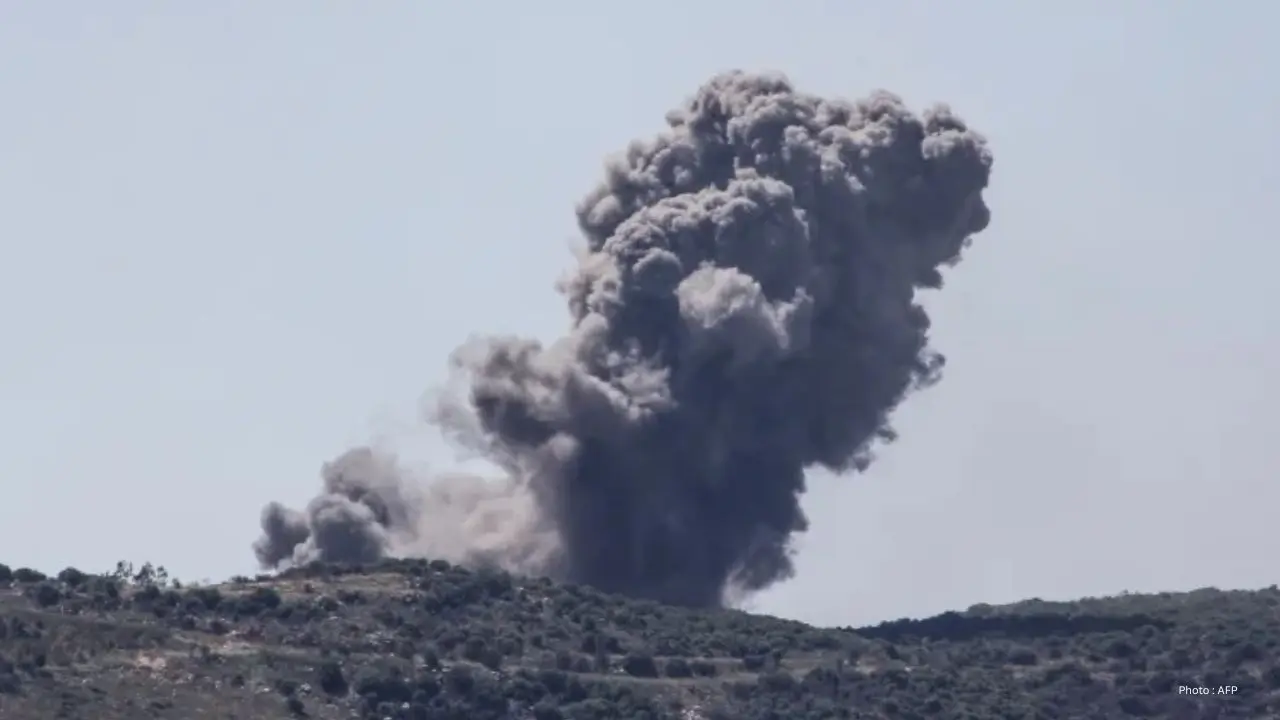
The Strait of Hormuz now stands at the heart of the conflict, a vital maritime route that facilitates a significant volume of daily oil shipments worldwide. With increased military activity and security threats in the area, fears of supply disruptions have surged, leading to a spike in oil prices.
With rising crude oil costs, businesses are compelled to spend more on transportation and energy. Airlines face soaring jet fuel expenses, while shipping companies encounter elevated insurance premiums and extended delivery times. Several multinational corporations have already issued warnings to investors regarding impending financial losses due to the crisis.
Manufacturers are also feeling the strain, as many depend on imported fuel and raw materials linked to Gulf markets. Shipment delays and increasing costs are disrupting production schedules across various countries.
The burden isn't solely on large corporations; everyday consumers are also experiencing rising fuel prices, transportation costs, and the overall cost of living. Inflation fears have escalated in numerous nations as businesses shift extra expenses onto consumers.
Global stock markets have displayed heightened volatility in response to the ongoing situation. Investors are apprehensive that a prolonged conflict could hamper economic growth and lead to further instability in global trade.
Experts caution that the economic fallout could worsen if tensions persist. Corporations may have to implement cost-cutting measures, postpone expansion plans, or increase prices further to cope with growing expenses.
This crisis underscores how interconnected the global economy is with developments in the Middle East. A conflict in this region can rapidly influence businesses, markets, and consumers worldwide.
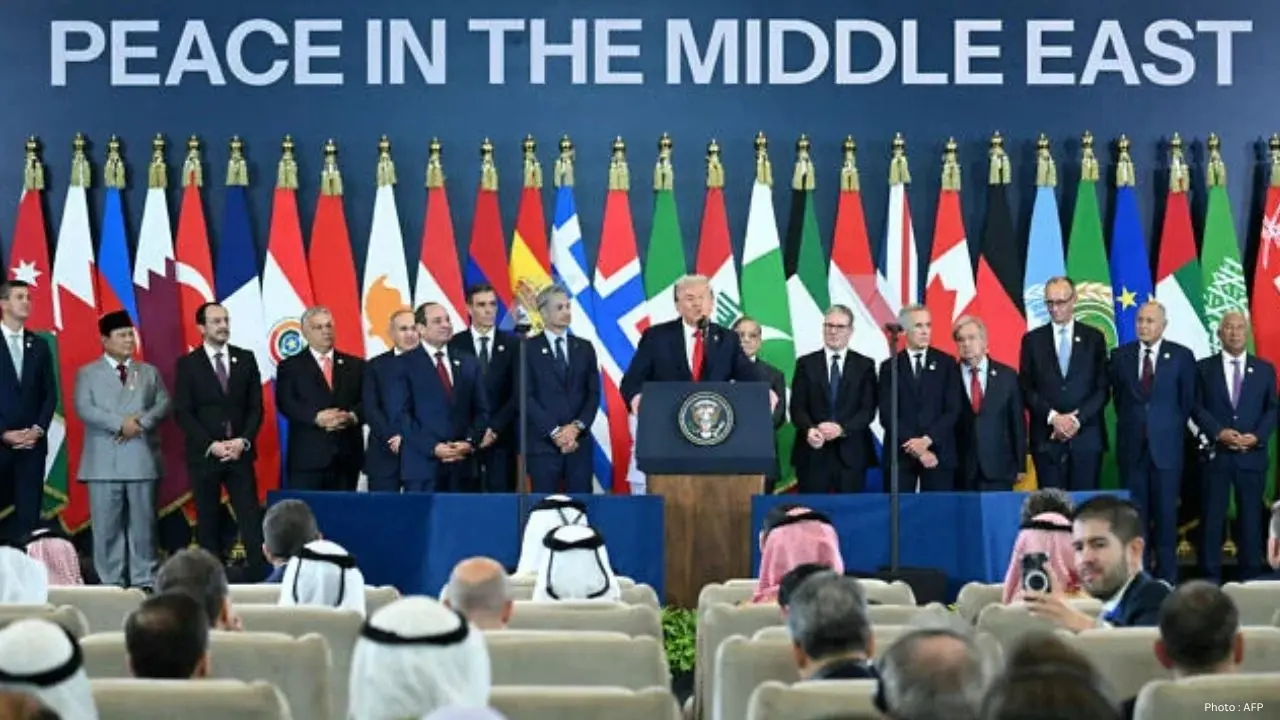
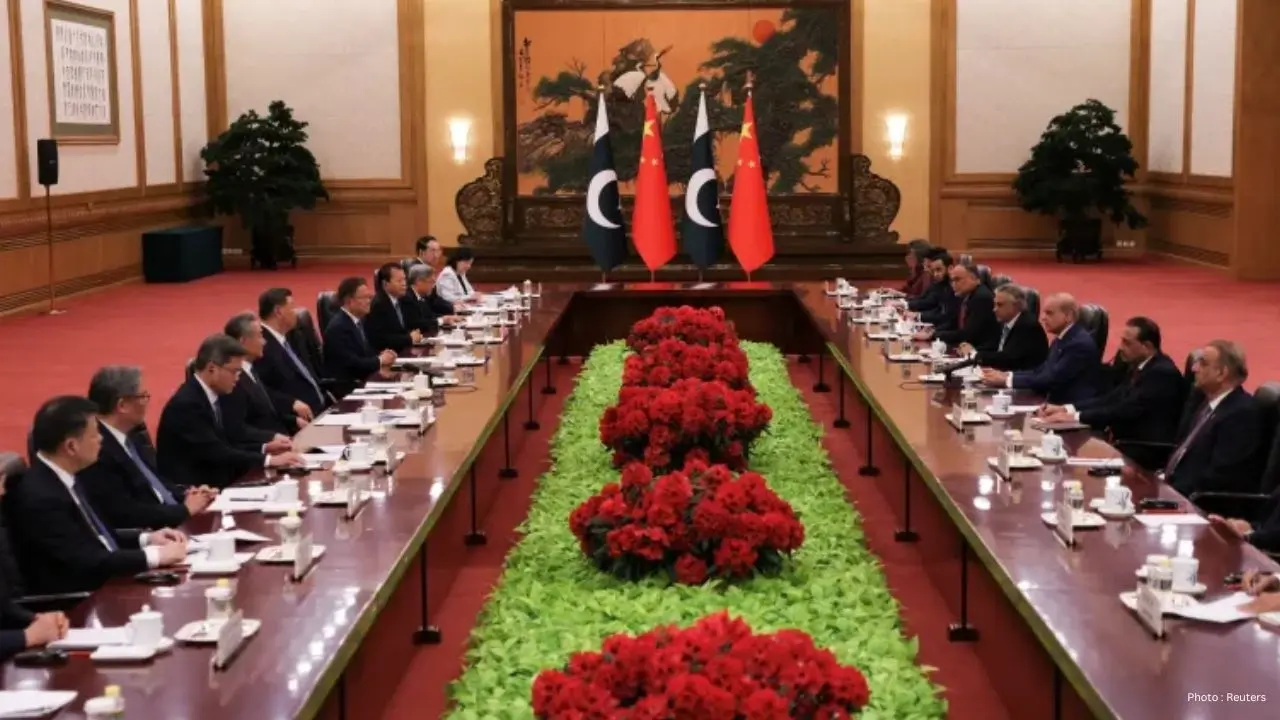
Leaders are increasingly advocating for diplomatic solutions to avert further escalation. Businesses and investors are monitoring the situation closely, hoping for a return to stability before the economic consequences become even more severe.