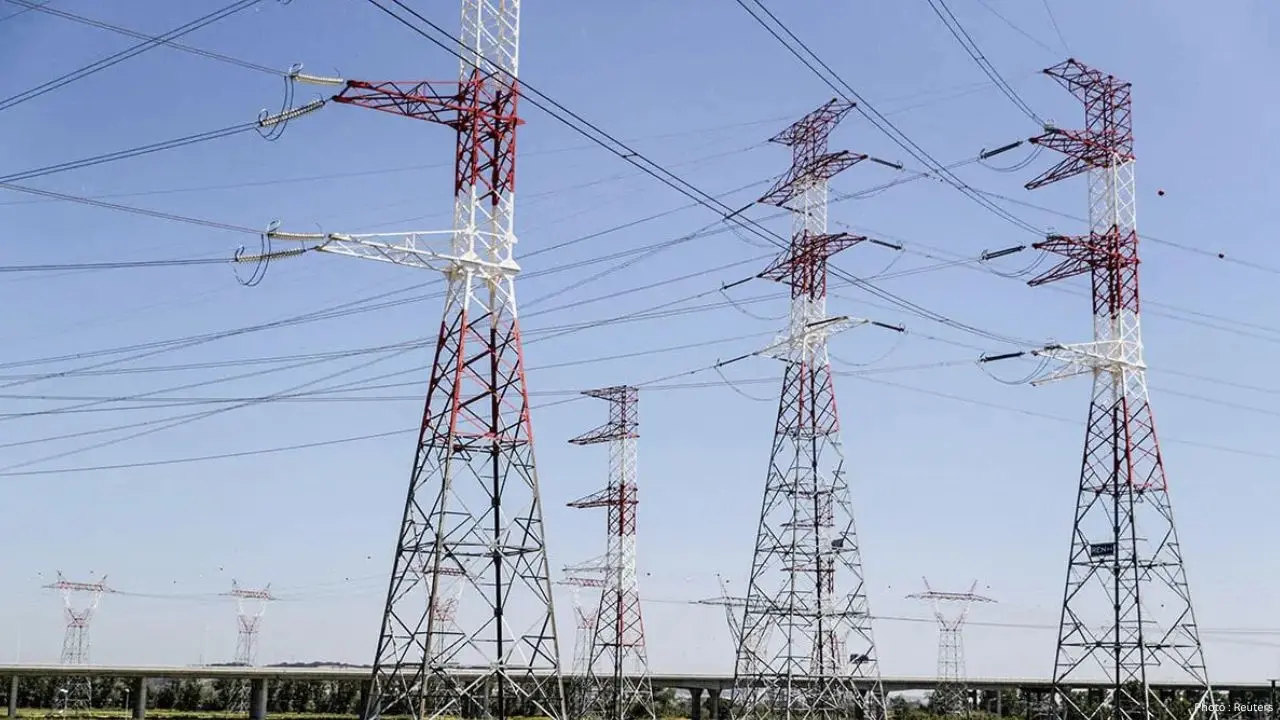
Algeria has reiterated its commitment to supplying electricity to Tunisia during the upcoming summer of 2026 as both countries aim to enhance regional energy collaboration and ensure grid reliability amid high demand.
This pledge comes just before the intense summer months, when electricity use surges across North Africa due to increased cooling requirements for both households and industries. Tunisian leaders are counting on imported electricity to maintain consistent power supply during peak consumption times.
Officials from Algeria and Tunisia consider this agreement part of their broader strategy to foster economic ties and upgrade regional infrastructure. The energy alliances between these neighboring nations have gained significance as various countries in the area grapple with the strains on their electricity networks.
In recent years, Tunisia has faced persistent challenges linked to escalating energy demands. The combination of rising temperatures, urban expansion, and the strain on public services has made it increasingly vital for Tunisia to secure stable electricity imports, particularly in the hotter months.
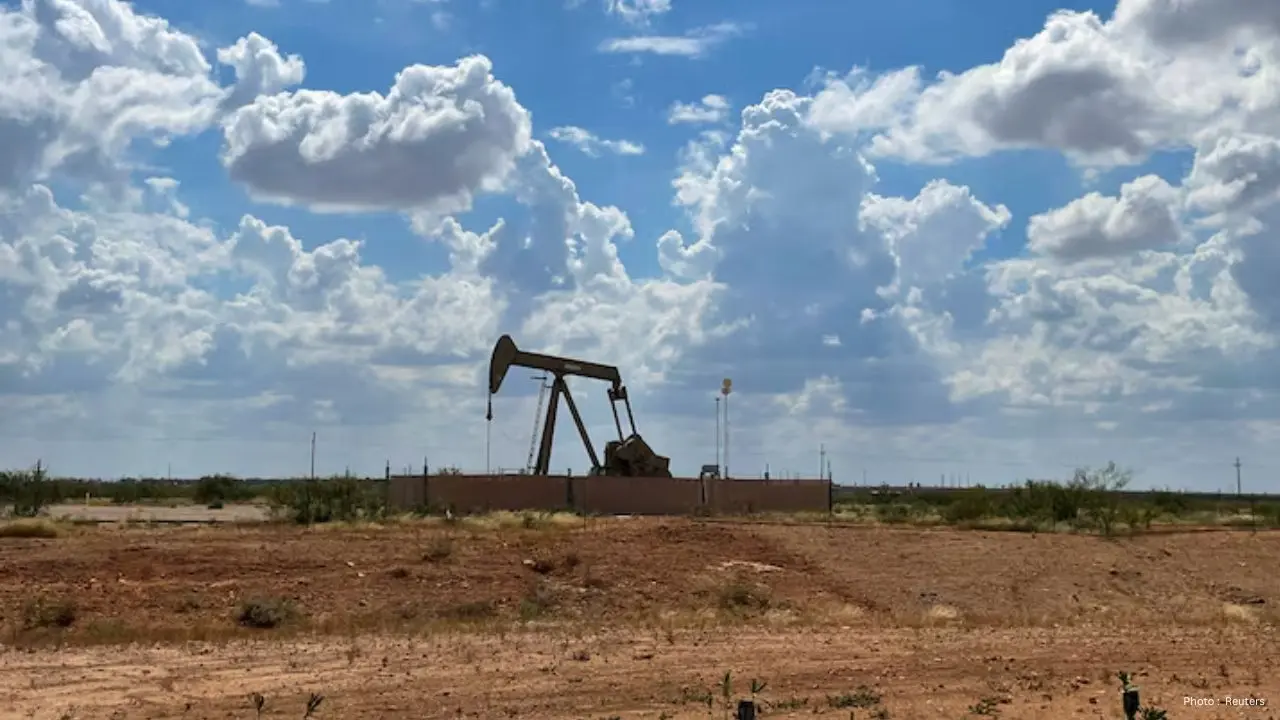
Algeria, with its significant natural gas resources and established export infrastructure, remains a dominant energy supplier in North Africa. It plays a crucial role in providing regional energy through electricity exports, fuel agreements, and enduring cooperation with neighboring nations.
The renewed agreement is also seen as a testament to the solid diplomatic bonds between Algiers and Tunis. Leadership from both sides have sought greater collaboration across various sectors including trade, transport, border security, and economic growth.
Experts in energy posit that cross-border electricity support can mitigate the risks of shortages and enhance regional cooperation. A reliable power supply is critical for manufacturing, tourism, healthcare, and transportation—all sectors heavily reliant on uninterrupted electricity.
This commitment may offer economic relief for Tunisia as it navigates financial challenges, inflation issues, and increasing public demands for reliable services. Continuous electricity availability is deemed essential for both economic stability and quality of life.
Regional governments are paying more attention to energy security as climate change and population growth affect consumption patterns. Rising summer temperatures in North Africa have compelled authorities to prepare ahead for increased consumption and potential supply deficits.
Many countries in the region are also investing in renewable energy, improved transmission systems, and modernization efforts to bolster long-term electricity stability. Analysts suggest that enhanced collaboration among neighboring nations could facilitate broader regional integration and bolster emergency response capabilities during peak demand periods.
This latest declaration illustrates how energy diplomacy is increasingly influencing political and economic dynamics throughout North Africa. The mutual cooperation between Algeria and Tunisia serves as a model for regional partnerships contributing to stability, economic cooperation, and coordinated infrastructure development during times of difficulty.
With the summer of 2026 on the horizon, both nations seem committed to maintaining collaboration to guarantee a stable electricity supply and lessen the strain on their national power grids. The enduring partnership underscores the growing necessity of regional cooperation in addressing future energy challenges.