Global Trade Routes Face Pressure Due to Ongoing Disruptions
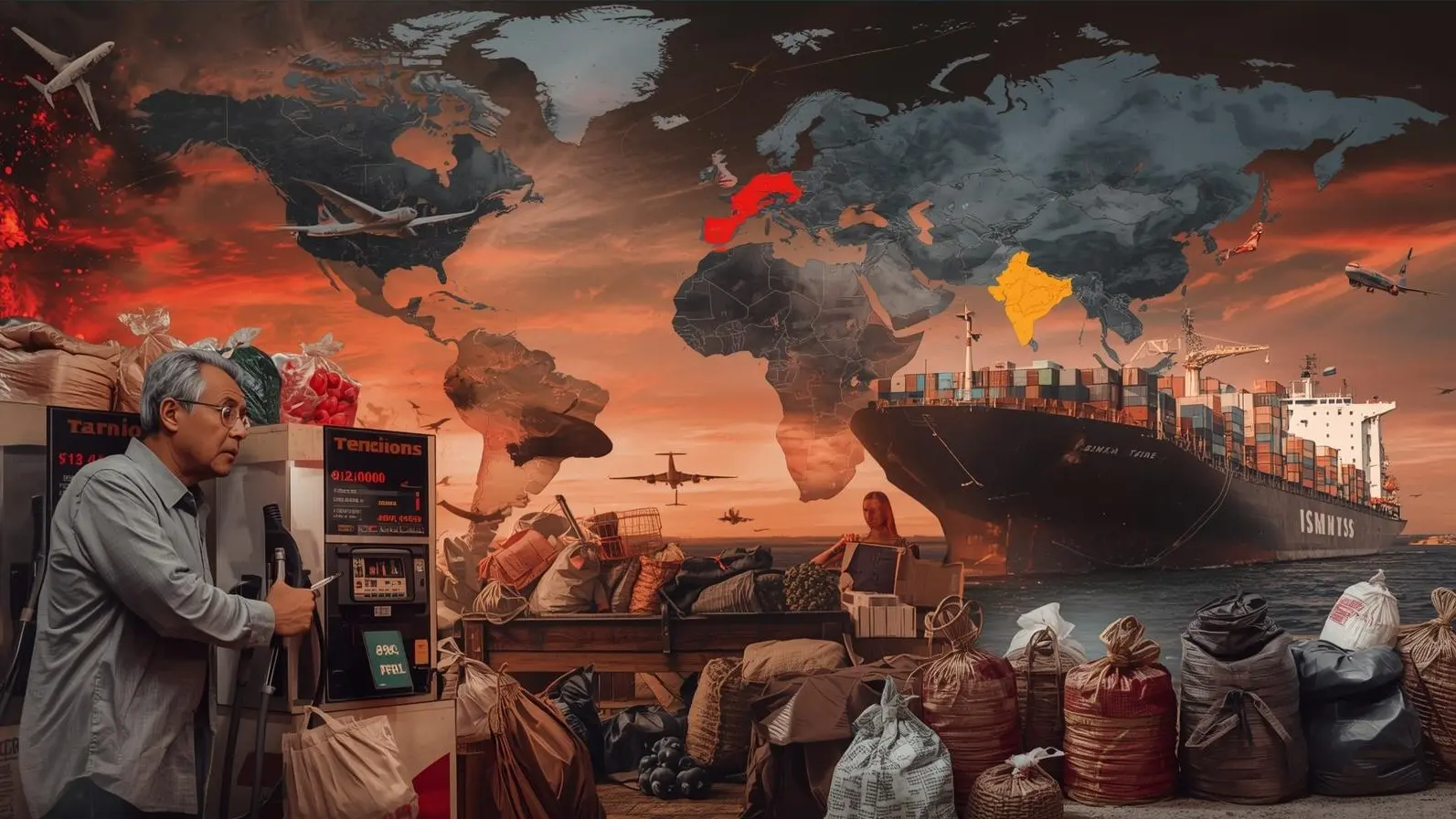
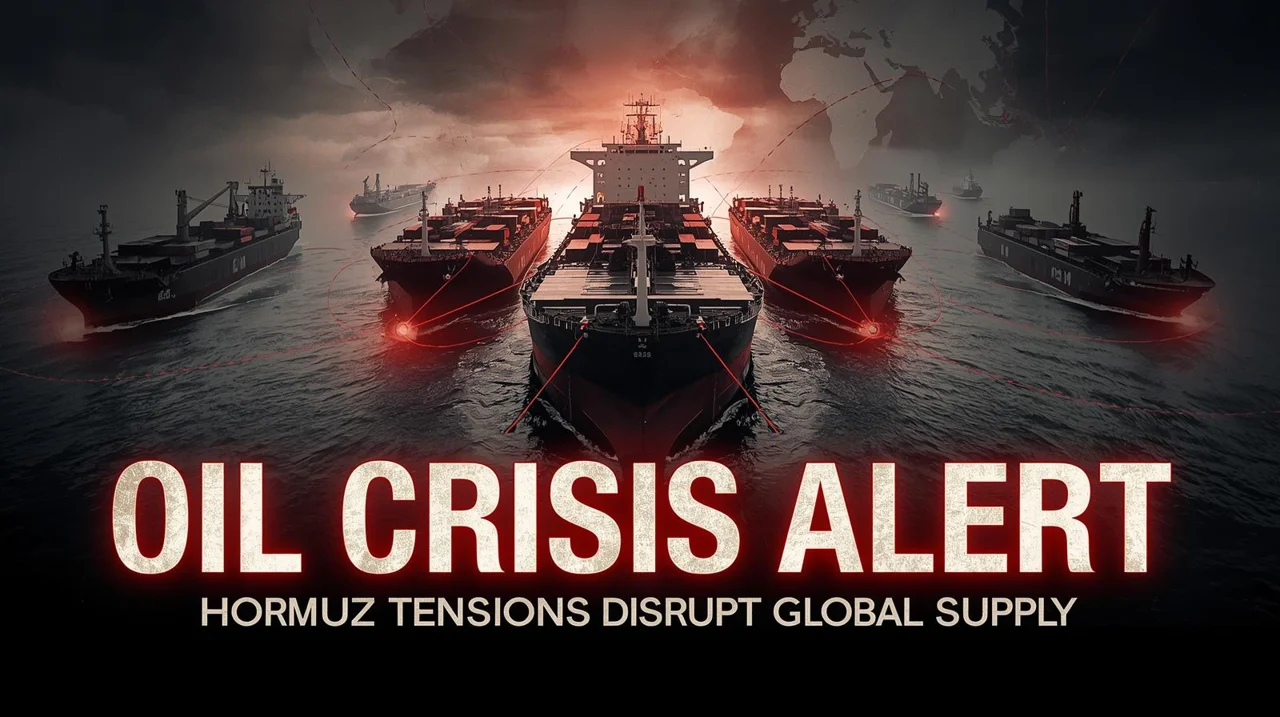
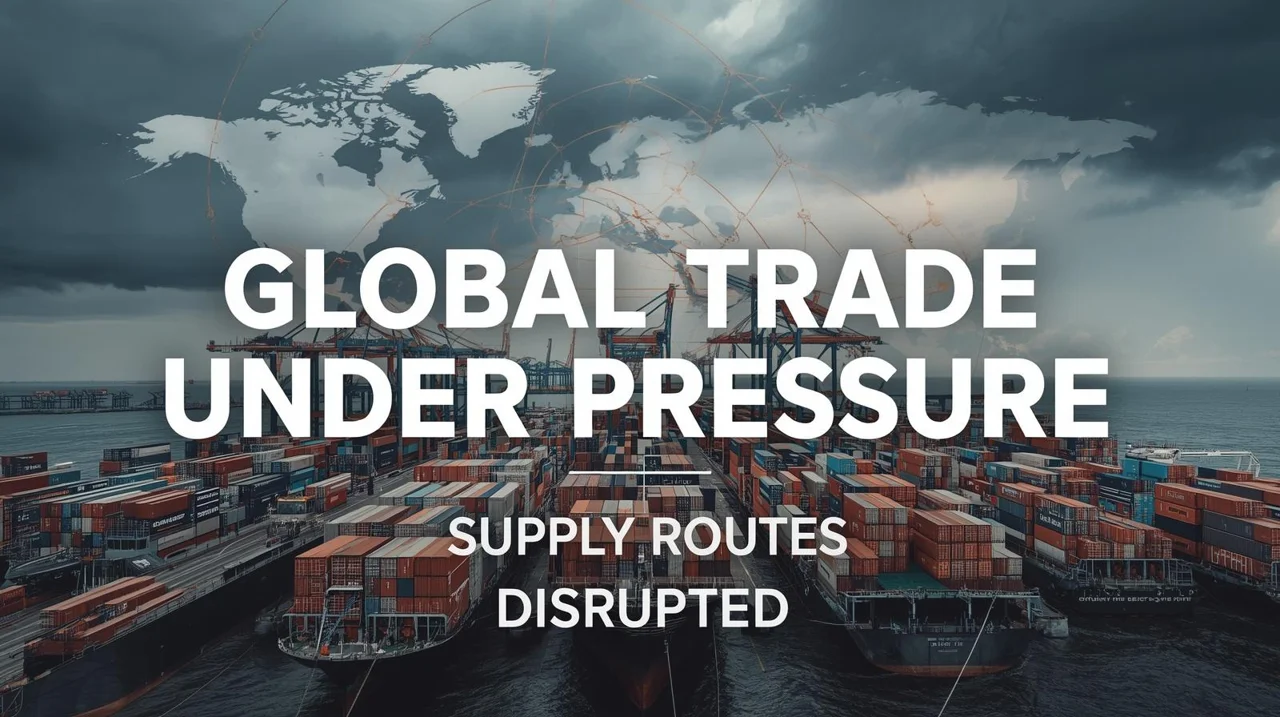
In 2026, global trade routes are under increasing pressure as ongoing disruptions continue to affect the movement of goods worldwide. These routes are the backbone of international trade, connecting countries, industries, and consumers.
When disruptions occur, the impact is felt far beyond shipping—it affects supply chains, prices, and economic stability.
The key question is:
What is causing these disruptions, and how are they affecting global trade?
What Is Causing Disruptions in Trade Routes
Several interconnected factors are putting stress on global trade systems.
One of the major causes is geopolitical tensions. Conflicts and political uncertainties in key regions can disrupt shipping lanes and restrict access to important routes.
Another significant factor is port congestion. High volumes of cargo combined with limited infrastructure lead to delays in loading and unloading goods.
There are also logistical challenges, including shortages of containers, labor issues, and inefficiencies in transportation networks.
Environmental factors such as extreme weather conditions are further complicating global shipping, causing delays and rerouting of vessels.
Impact on Supply Chains
Disruptions in trade routes directly affect global supply chains.
When goods are delayed, businesses struggle to maintain inventory levels, leading to shortages in markets.
Manufacturing industries face challenges as they depend on timely delivery of raw materials.
Companies may need to find alternative routes or suppliers, which often increases costs and reduces efficiency.
These disruptions highlight the vulnerability of global supply systems.
Effect on Prices and Inflation
When trade routes face pressure, the cost of transportation increases.
Shipping delays and longer routes lead to higher fuel and operational costs.
Businesses often pass these additional expenses on to consumers, resulting in higher prices for goods.
This contributes to inflation, affecting everyday items such as food, electronics, and household products.
As a result, the overall cost of living increases.
Impact on Businesses and Industries
Businesses across various sectors are feeling the impact of disrupted trade routes.
Retail companies may face product shortages or delayed deliveries, affecting customer satisfaction.
Manufacturers may experience production slowdowns due to lack of materials.
Industries that rely heavily on global trade, such as automotive, electronics, and consumer goods, are particularly vulnerable.
To manage these challenges, companies are adjusting their strategies and exploring new supply chain models.
How Countries Are Responding
Governments and organizations are taking steps to reduce the impact of disruptions.
Many countries are focusing on diversifying trade routes to reduce dependence on a single pathway.
There is also a push toward local production to minimize reliance on imports.
Investments in infrastructure, such as ports and logistics systems, are being increased to improve efficiency.
International cooperation is also being explored to stabilize global trade systems.
Long-Term Changes in Global Trade
The ongoing disruptions are likely to lead to long-term changes in how trade operates.
Companies may adopt more flexible and resilient supply chain strategies.
There could be a shift toward regional trade partnerships instead of heavy reliance on global networks.
Technology will play a key role in improving tracking, efficiency, and decision-making in logistics.
These changes aim to reduce the impact of future disruptions.
What This Means for Consumers
For consumers, the impact of trade disruptions is often indirect but significant.
Higher prices for goods and limited product availability are the most noticeable effects.
Delivery times may also increase, especially for imported items.
Understanding these factors can help consumers plan better and manage expenses.
Conclusion
The pressure on global trade routes in 2026 highlights the challenges facing the interconnected world economy.
Disruptions caused by geopolitical, logistical, and environmental factors are affecting supply chains, businesses, and consumers.
The key takeaway is clear:
Building more resilient and flexible trade systems is essential for future stability.
Disclaimer
This article is for informational purposes only. Global trade conditions may change based on geopolitical and economic developments. Readers should stay updated for accurate information.