Iran War Latest Update: Strait of Hormuz Crisis Disrupts Global Oil Supply
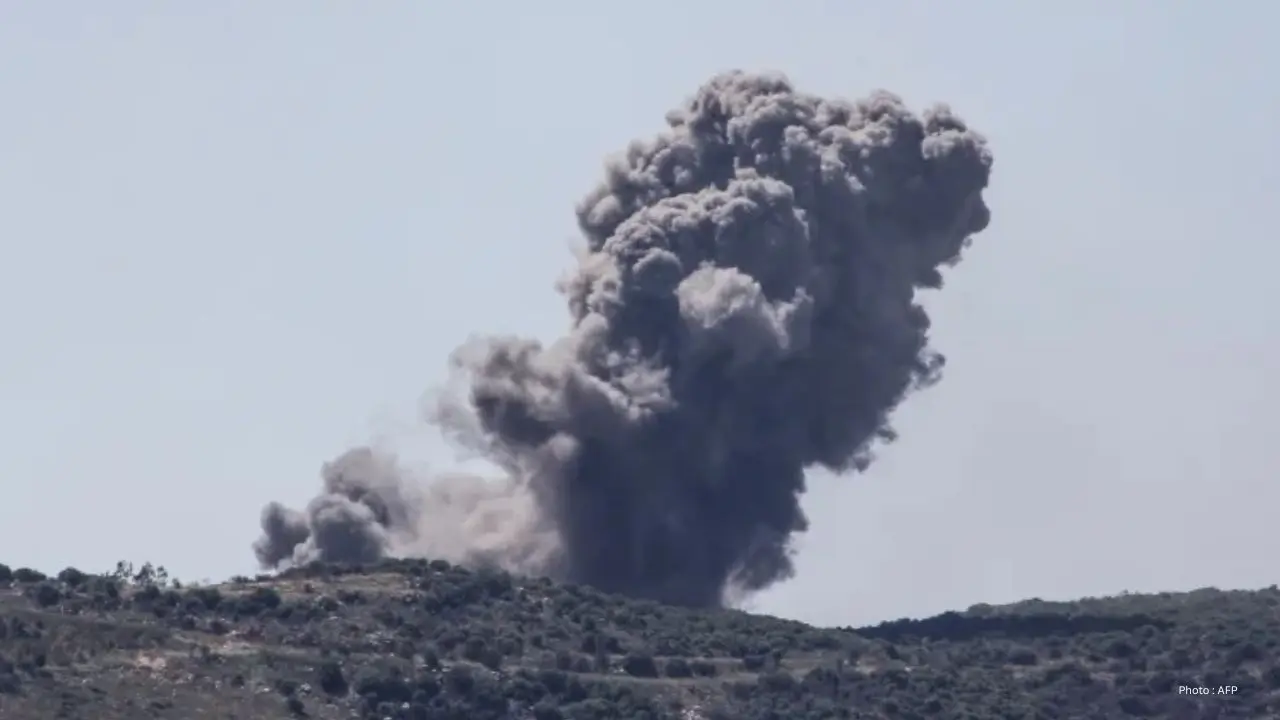
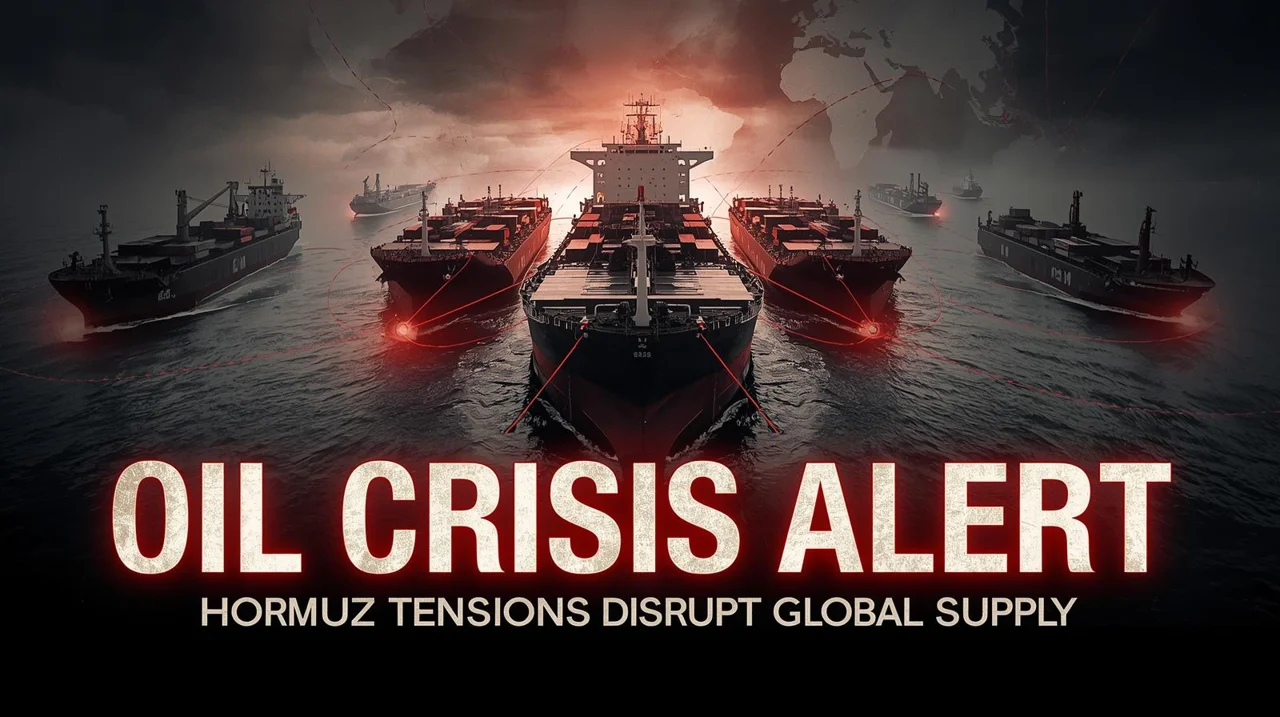
The ongoing conflict involving Iran has pushed the Strait of Hormuz into the center of a global crisis. This narrow waterway is responsible for transporting nearly 20% of the world’s oil supply, making it one of the most important energy routes globally.
Any disruption here has immediate and widespread consequences, and current tensions have already triggered concerns about a major global energy shock.
What’s Happening Right Now?
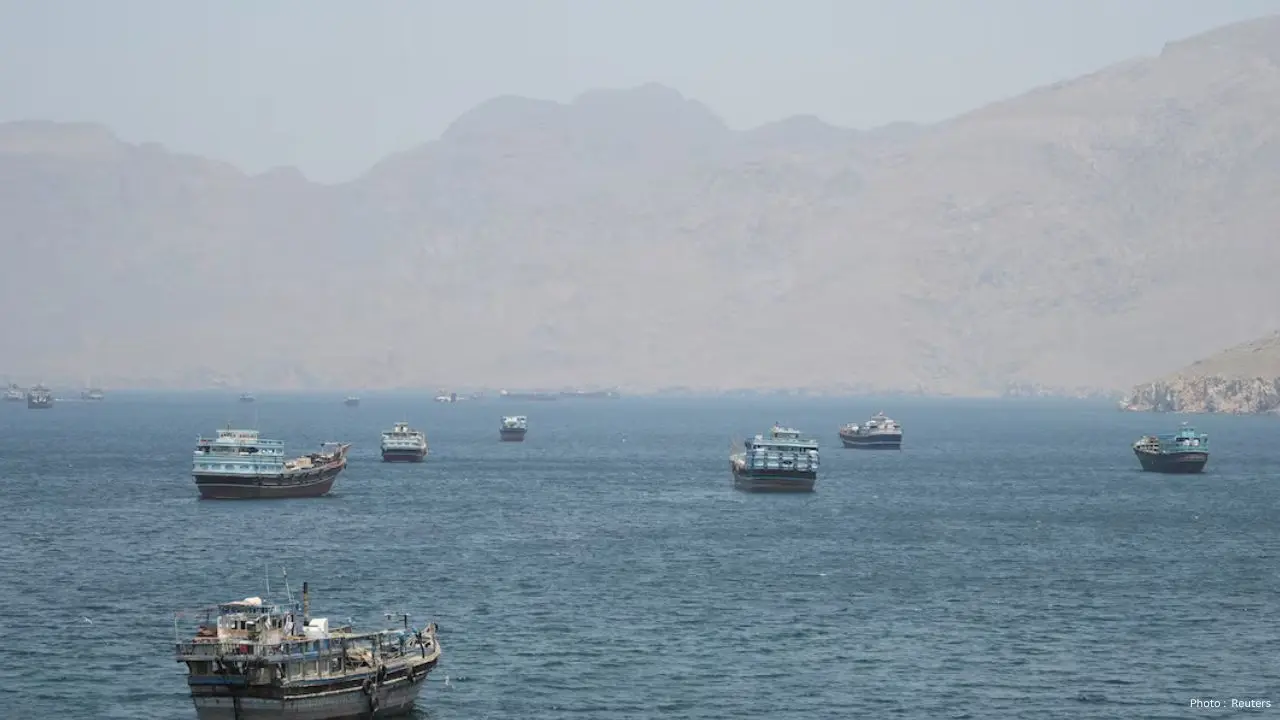
Recent developments indicate serious disruptions in oil shipments through the Strait of Hormuz.
- Tanker movement has slowed significantly due to rising security risks
- Some oil shipments from Gulf countries are being delayed or rerouted
- Shipping companies are avoiding the region due to safety concerns
This has created instability in global oil supply chains and increased uncertainty in energy markets.
Why the Strait of Hormuz Matters So Much
The Strait of Hormuz is one of the most critical chokepoints in global trade.
- It connects the Persian Gulf to international waters
- Major oil producers rely on this route for exports
- Millions of barrels of oil pass through it daily
Even a partial disruption can affect energy supply worldwide, making it a highly sensitive geopolitical zone.
Impact on Global Oil Supply
The current tensions are already affecting global oil availability.
- Reduced flow of oil from key exporting countries
- Delays in shipments impacting supply chains
- Increased pressure on alternative supply routes
If disruptions continue, the global market could face serious supply shortages.
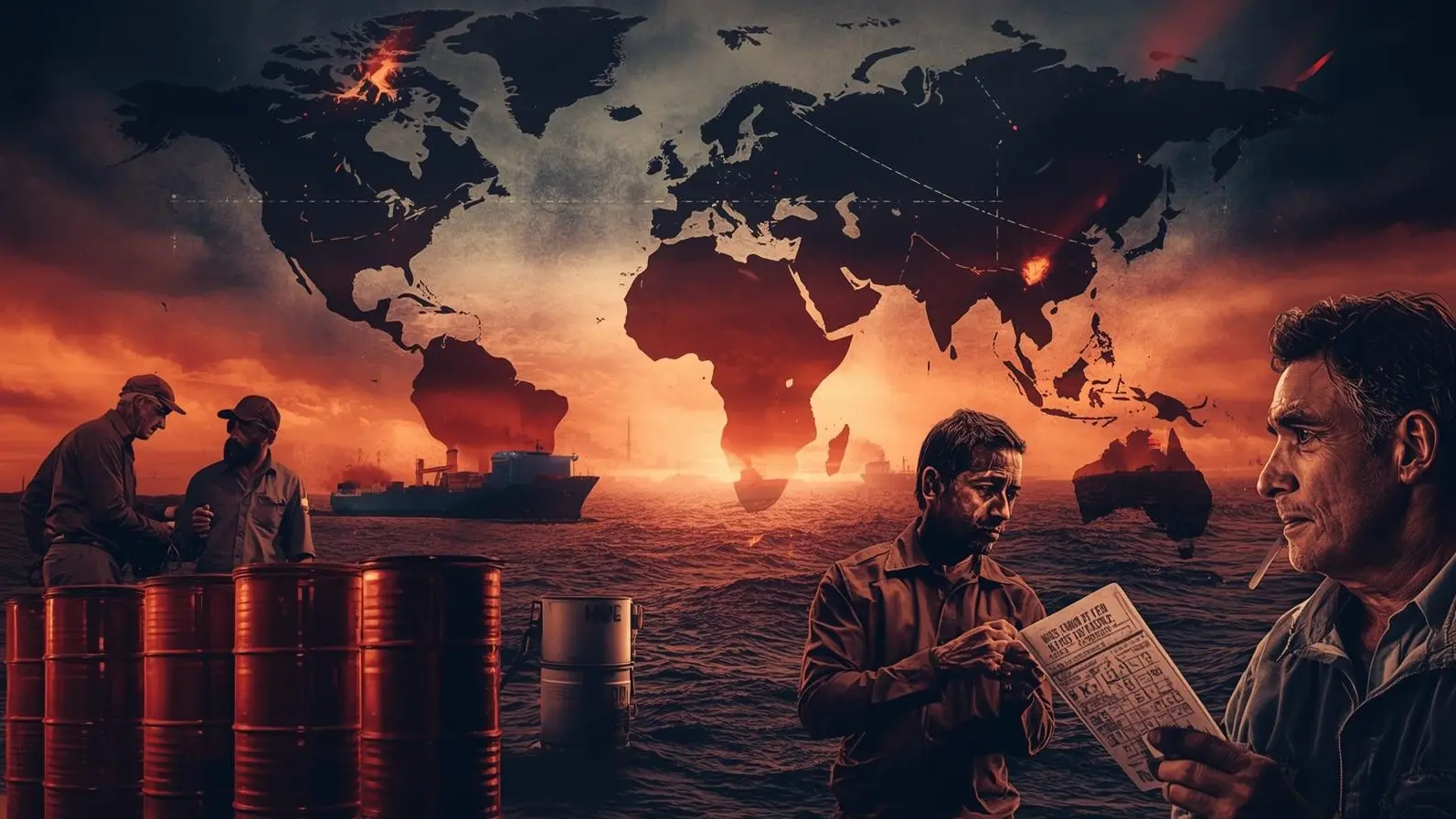
Oil Prices Surge and Market Volatility
Energy markets have reacted quickly to the crisis.
- Oil prices have risen sharply due to reduced supply
- Market volatility has increased significantly
- Investors are moving toward safer assets
There are growing concerns that prolonged disruption could push oil prices to extremely high levels.
Global Economic Impact
The effects of the crisis are spreading beyond the energy sector.
Fuel Prices Increasing
Countries dependent on oil imports, including India, are likely to see rising fuel costs.
Inflation Pressure
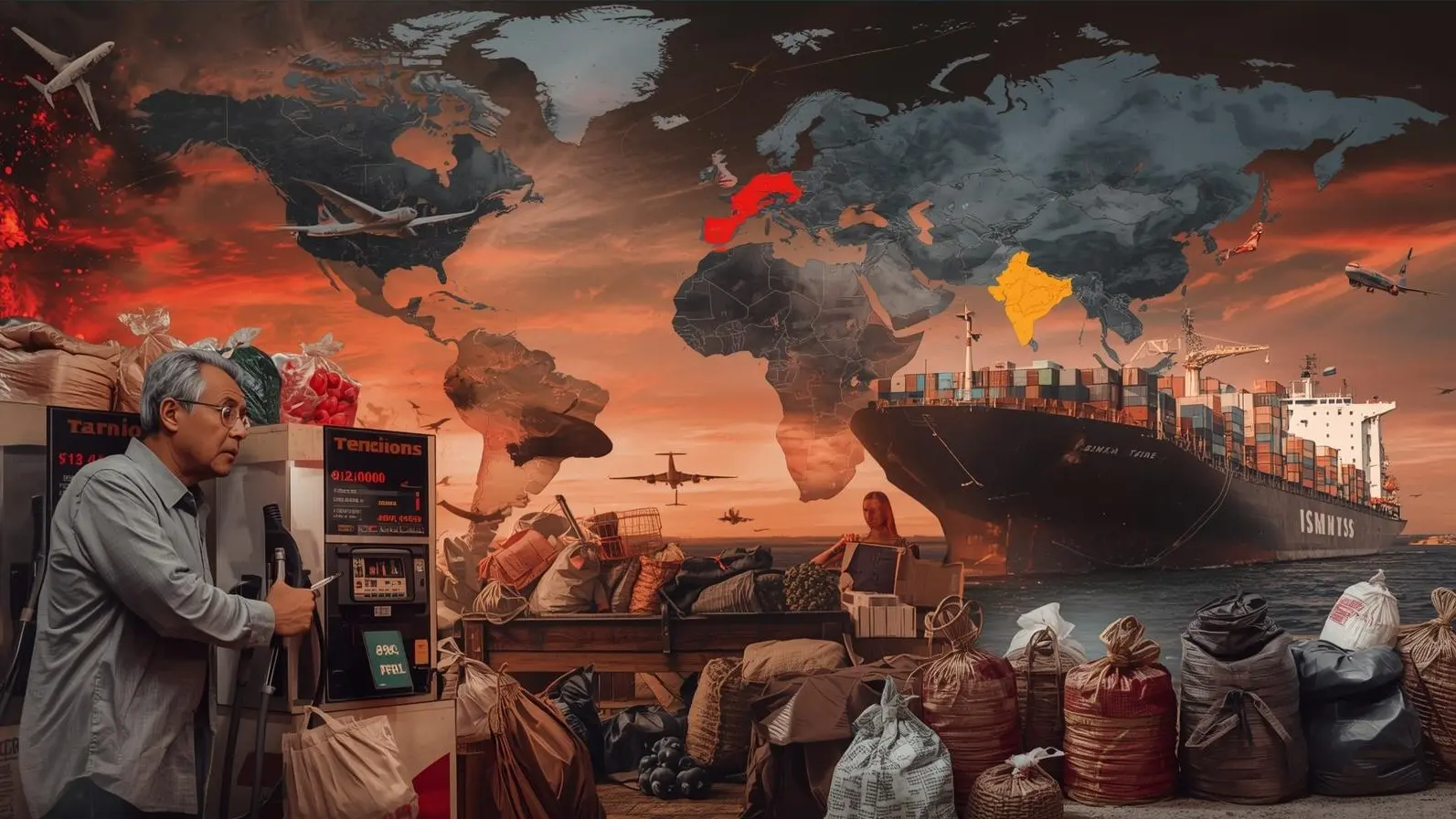
Higher energy prices are increasing the cost of goods and services globally.
Supply Chain Challenges
Industries relying on fuel and transportation are facing delays and higher costs.
Economic Uncertainty
Global markets are experiencing instability due to ongoing geopolitical risks.
Military and Political Developments
The situation remains tense with ongoing geopolitical uncertainty.
- Military presence in the region has increased
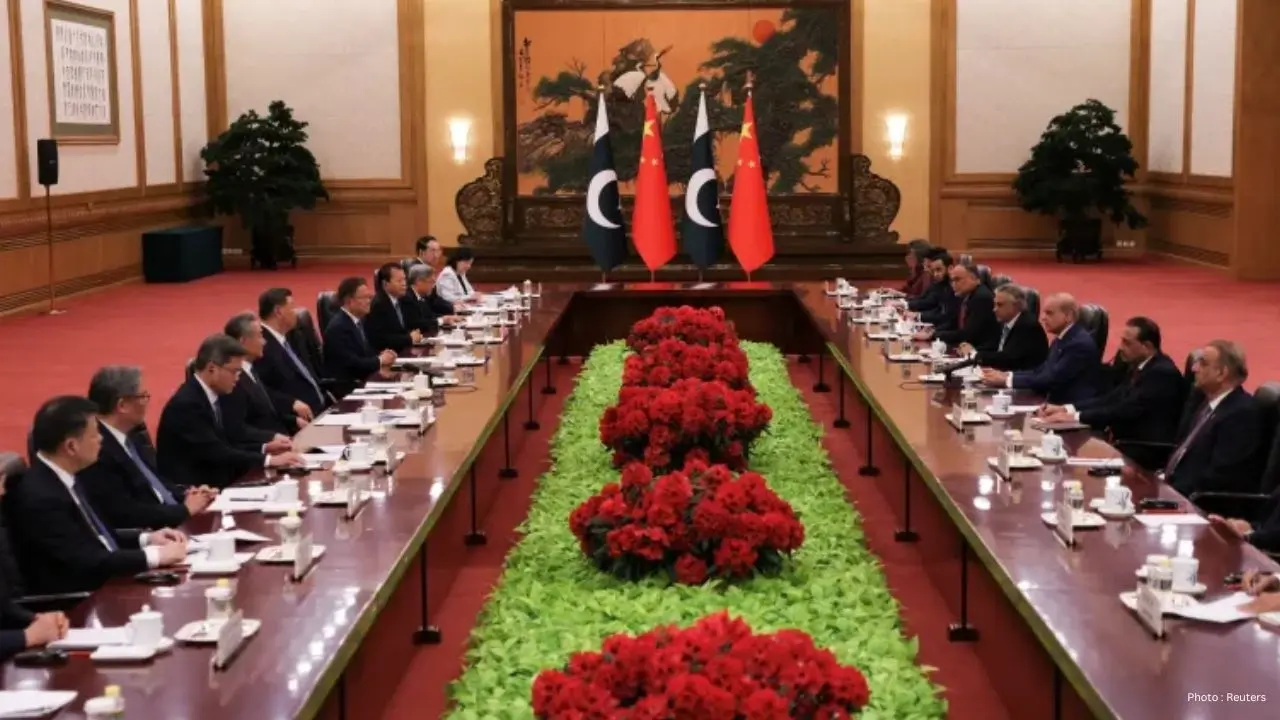
- Diplomatic efforts are ongoing but have not yet resolved tensions
- The risk of escalation remains high
This uncertainty is contributing to continued instability in global markets.
Worst-Case Scenario: A Global Energy Shock
If the Strait of Hormuz remains disrupted:
- Global oil supply could face severe shortages
- Prices may rise to record levels
- Economic slowdown risks could increase worldwide
Such a scenario could have long-term effects on global economic stability.
What Happens Next?
The future of the situation depends on several key factors:
- Diplomatic solutions to reduce tensions
- Security measures to protect shipping routes
- Stability of alternative oil supply sources
Until clarity emerges, markets are expected to remain volatile.
Final Thoughts
The crisis involving Iran and the disruption in the Strait of Hormuz highlight how geopolitical tensions can impact the entire world. From rising oil prices to economic uncertainty, the effects are being felt globally.
This situation serves as a reminder of the importance of stable energy routes and international cooperation.
Disclaimer
This article is for informational purposes only. Geopolitical situations can change rapidly, and readers should stay updated with official announcements and verified information.