US Targets Iranian Tanker as Trump Issues Fresh Warning to Tehran Over War Deal
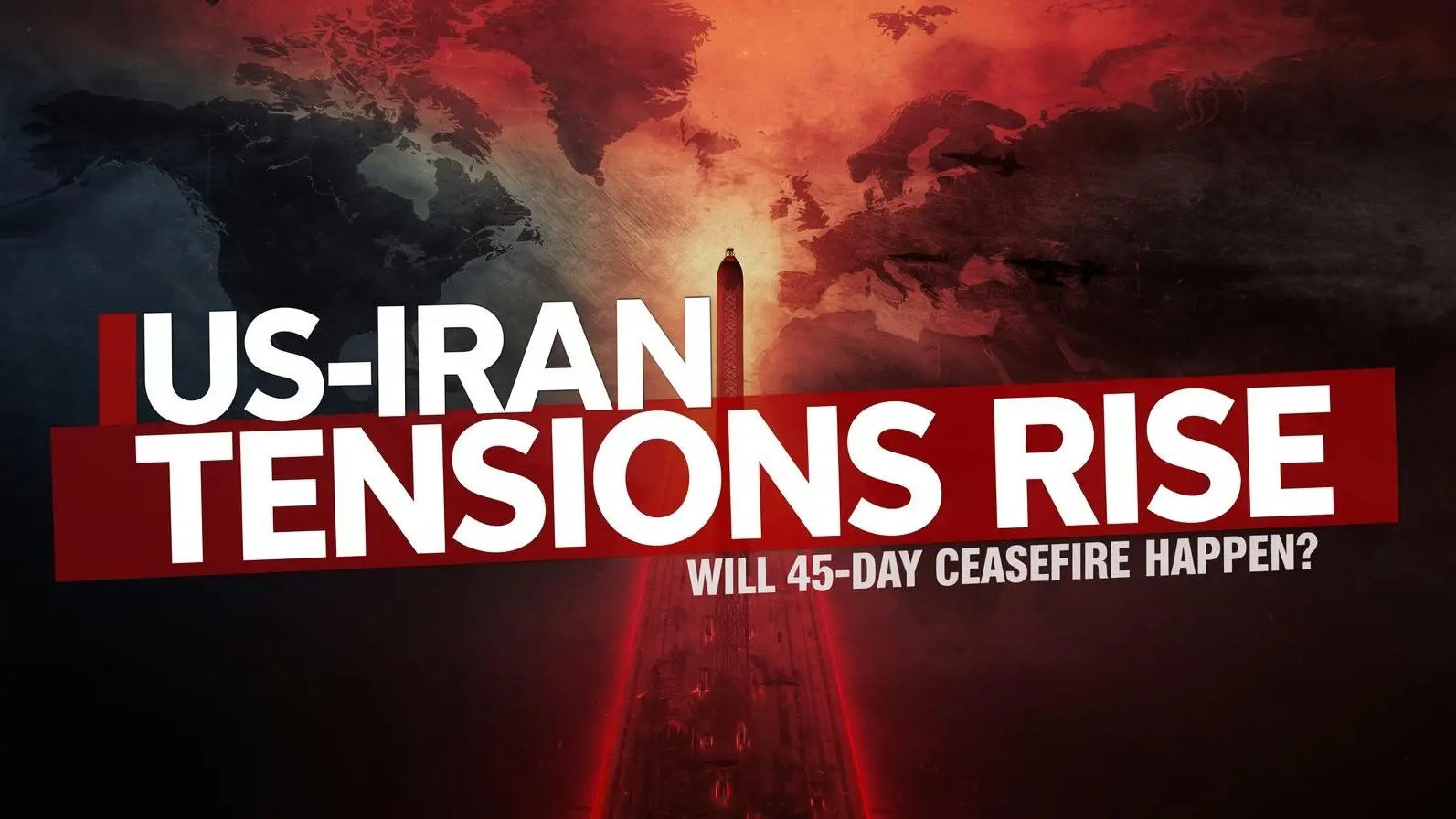
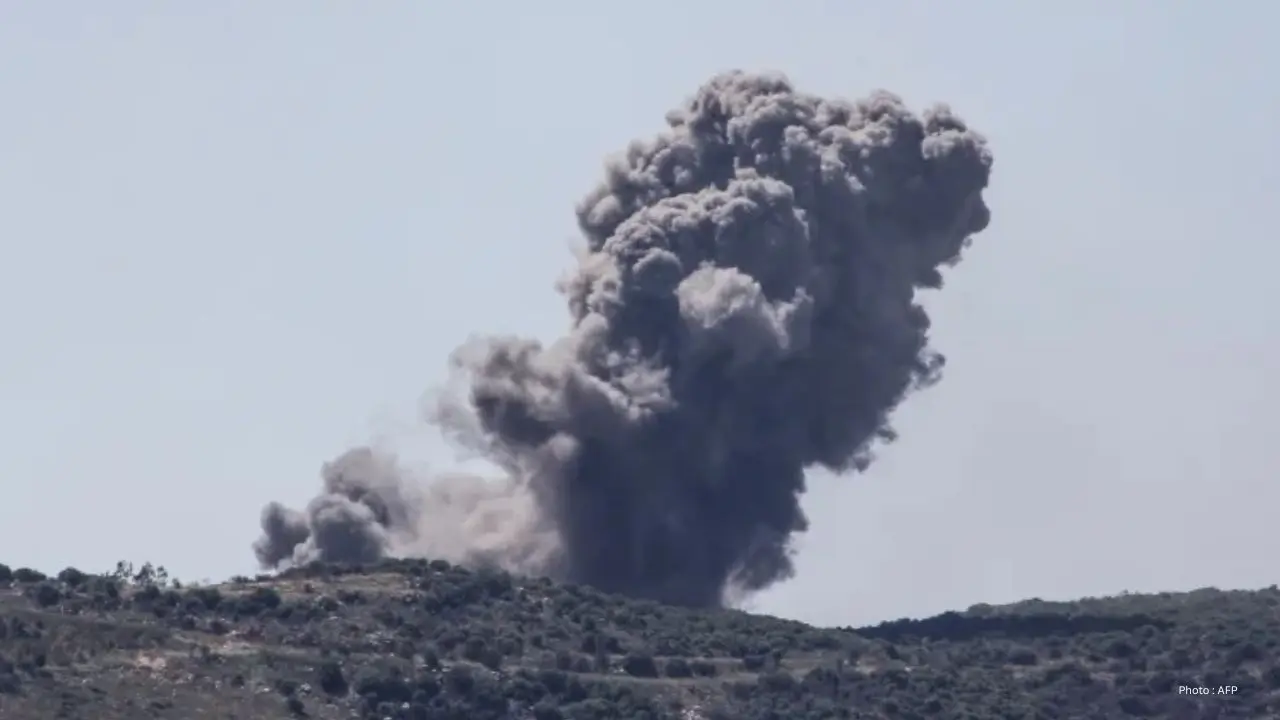
Tensions in the Middle East escalated sharply after the United States reportedly targeted an Iranian-flagged oil tanker amid growing pressure on Tehran to accept a new peace proposal linked to the ongoing regional conflict. The latest development comes as US President Donald Trump issued a fresh warning to Iran, saying that failure to agree to the proposed deal could result in even heavier military action.
The incident has added new uncertainty to an already fragile situation involving the Strait of Hormuz, global oil shipments, and ongoing diplomatic negotiations between Washington and Tehran. Markets and world leaders are closely monitoring developments as fears grow over the possibility of a wider regional escalation.
What Happened to the Iranian Tanker?
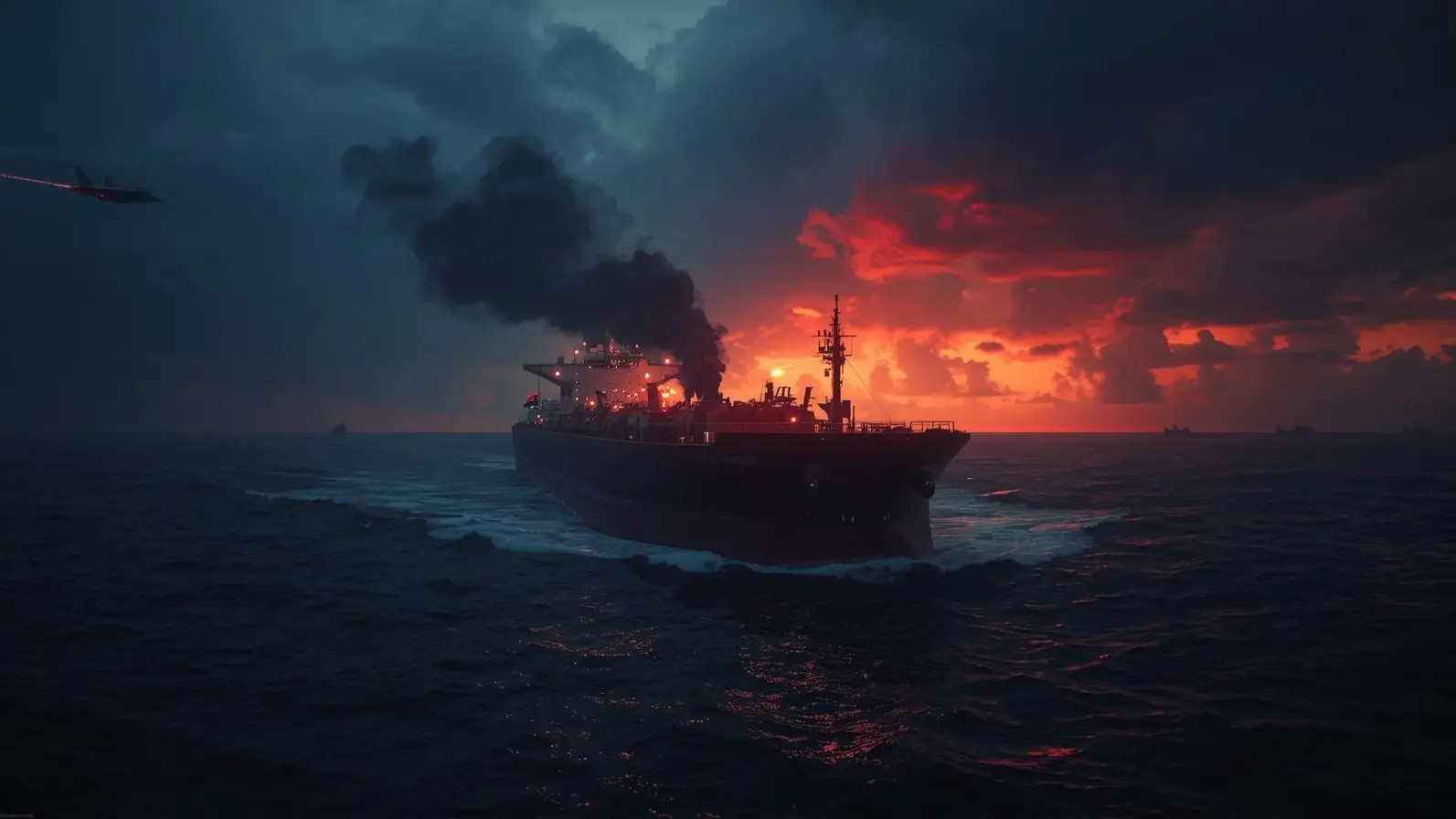
According to multiple reports, US forces fired on or disabled an Iranian-linked tanker that allegedly attempted to breach a US-enforced maritime blockade connected to Iran’s ports. Reports suggest the tanker ignored repeated warnings before military action was taken.
The vessel was reportedly operating near the Strait of Hormuz, one of the world’s most strategically important oil shipping routes. The area has become a major flashpoint in recent months due to ongoing military tensions and restrictions on maritime movement.
US officials described the move as part of broader enforcement operations aimed at increasing economic and military pressure on Tehran during ongoing negotiations.
Trump’s Fresh Warning to Tehran
Following the tanker incident, Trump issued a stern message to Iranian leadership, warning that Iran must agree to the proposed terms or face significantly stronger military action.
According to reports, Trump stated that accepting the deal could lead to reduced military pressure and reopening maritime routes, while rejecting it could trigger “heavier bombing than ever before.”
The warning reflects growing frustration in Washington over stalled negotiations and continued regional instability. Trump has repeatedly argued that the conflict can end quickly if Tehran accepts US-backed conditions related to security and nuclear concerns.
Why the Strait of Hormuz Matters So Much
Much of the current tension centers around the Strait of Hormuz, a narrow but crucial shipping route through which a major percentage of the world’s oil supply passes.
Disruptions in the area can impact:
Global oil prices
International shipping routes
Energy markets worldwide
Supply chains across Asia, Europe, and the Middle East
Recent military activity and maritime restrictions have already created instability in global energy markets, with investors closely watching every development in the region.
Peace Talks Continue Despite Rising Tensions
Despite the latest confrontation, diplomatic efforts have not completely collapsed.
Reports indicate that Iran is still reviewing parts of a US-backed proposal that could potentially reduce tensions and reopen negotiations related to sanctions, regional security, and maritime access.
However, major disagreements reportedly remain unresolved, particularly around Iran’s nuclear activities, regional influence, and military operations.
Analysts believe the situation remains highly unpredictable, with diplomacy and military pressure now happening simultaneously.
Global Concerns Grow Over Wider Conflict
The latest escalation has triggered concern among global powers and energy-dependent nations.
Any prolonged disruption involving Iran and the Strait of Hormuz could:
Increase fuel prices globally
Disrupt oil exports
Impact international trade routes
Raise geopolitical instability
Several countries are reportedly urging restraint while continuing diplomatic engagement behind the scenes.
Final Thoughts
The targeting of an Iranian tanker and Trump’s latest warning to Tehran mark another major escalation in an already tense regional standoff.
While negotiations are still technically ongoing, the combination of military pressure, maritime confrontations, and political ultimatums has increased uncertainty across the Middle East and global energy markets.
Whether diplomacy succeeds or tensions rise further may depend on how both sides respond in the coming days.
Disclaimer
This article is based on publicly available reports and ongoing developments. Details may change as official statements and verified information continue to emerge.