Why Emergency Fund Planning Is Crucial for Expats in the UAE
Living in the UAE offers many advantages such as tax-free income and global career exposure, but it also comes with uncertainties, especially for expatriates. Employment is often contract-based, visas are tied to jobs, and relocation can happen quickly. An emergency fund acts as a financial safety net that helps expats handle unexpected situations without panic or debt.
What an Emergency Fund Really Means
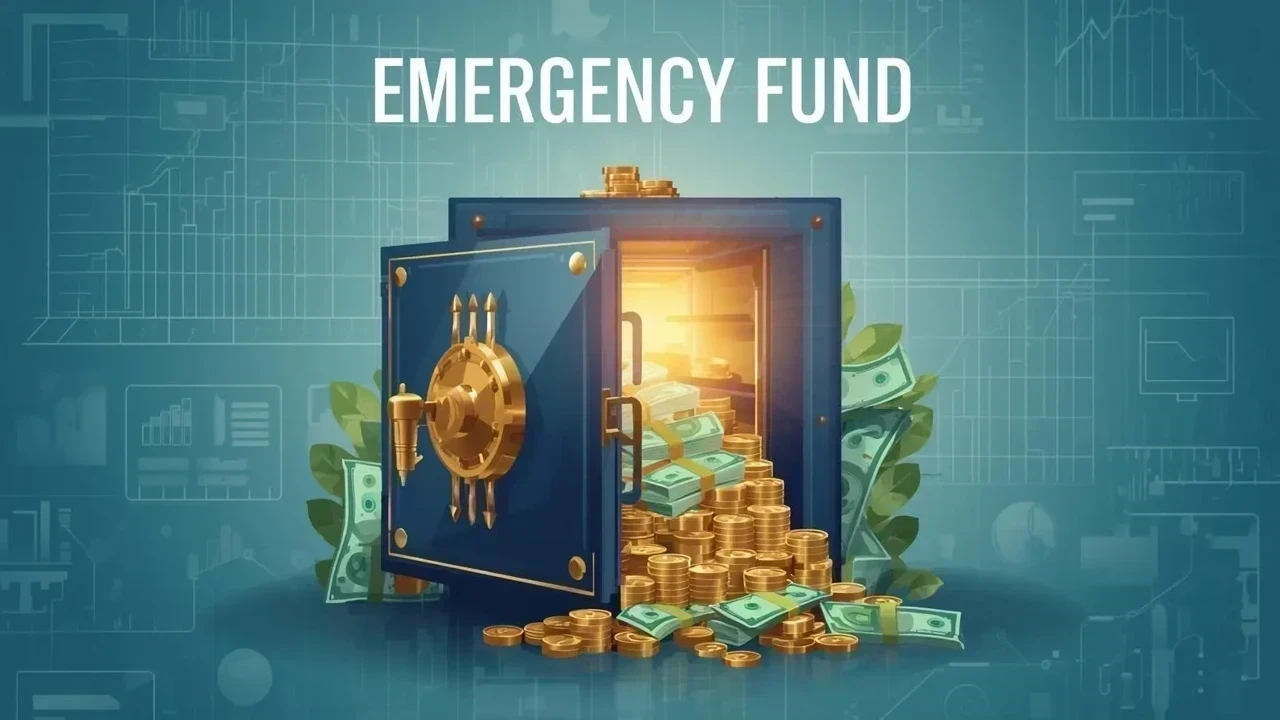
An emergency fund is money set aside specifically for unplanned and urgent expenses. This includes job loss, sudden medical costs not fully covered by insurance, visa-related expenses, urgent travel, or temporary relocation. It is not meant for shopping, vacations, or lifestyle upgrades. Its purpose is stability during uncertainty.
Why Expats Need a Stronger Safety Net
Unlike citizens, expats do not usually have long-term social security benefits, government unemployment support, or family nearby. In the UAE, losing a job can quickly impact residency status, housing, and daily expenses. Having an emergency fund gives time to make calm decisions instead of rushed ones.
How Much Emergency Fund Is Enough in the UAE
For expats, a realistic emergency fund should cover at least three to six months of essential expenses. In some cases, especially for families or single-income households, six to nine months offers better security. Essential expenses include rent, utilities, food, transport, insurance, and basic living costs.
For a single professional, this may range between AED 25,000 and AED 50,000.
For couples or families, it can range from AED 40,000 to AED 100,000 or more depending on lifestyle and responsibilities.
Identify Your True Monthly Essentials
Before building an emergency fund, it is important to know your minimum survival cost. This is different from your normal lifestyle spending. Calculate rent, utilities, groceries, basic transport, insurance, and school fees if applicable. Exclude dining out, shopping, entertainment, and travel. This number becomes the foundation of your emergency fund goal.
Where to Keep Your Emergency Fund
Emergency funds should be easily accessible and safe. Keeping the money in a savings account with instant access is usually the best option. Avoid locking emergency funds in long-term investments, stocks, or assets that fluctuate in value. The priority is availability, not high returns.
How to Start Building an Emergency Fund
Start small if needed. Even saving a fixed amount every month builds discipline. Automating savings immediately after salary credit reduces the temptation to spend. Treat the emergency fund like a non-negotiable monthly expense, similar to rent or utilities. Gradual progress is better than waiting for the perfect time.
Emergency Fund Planning for Single Expats
Single expats often underestimate risk because responsibilities feel lower. However, job loss, visa changes, or health issues can still cause sudden financial stress. A minimum of three to six months of essential expenses ensures time to find new opportunities or plan relocation without panic.
Emergency Fund Planning for Families
Families need larger emergency buffers due to school fees, healthcare costs, and dependents. A family emergency fund should factor in children’s education expenses, medical needs, and relocation costs if required. Six months of essential expenses is usually the minimum recommended for families in the UAE.
Common Mistakes Expats Make
Many expats delay emergency fund planning, assuming job security or employer support will be enough. Others mix emergency funds with regular savings, making it easy to spend unintentionally. Some rely too heavily on credit cards, which increases stress during emergencies. Clear separation and discipline are key.
Should Credit Cards Replace an Emergency Fund
Credit cards should never replace an emergency fund. During emergencies, relying on credit increases debt and long-term financial pressure. An emergency fund provides freedom from interest, repayment stress, and financial dependence during uncertain times.
Adjusting Emergency Funds as Life Changes
Emergency fund needs change with income growth, marriage, children, or relocation. Reviewing the fund annually ensures it matches current responsibilities and expenses. Any increase in rent or essential costs should trigger a review of emergency savings targets.
Emergency Fund vs General Savings
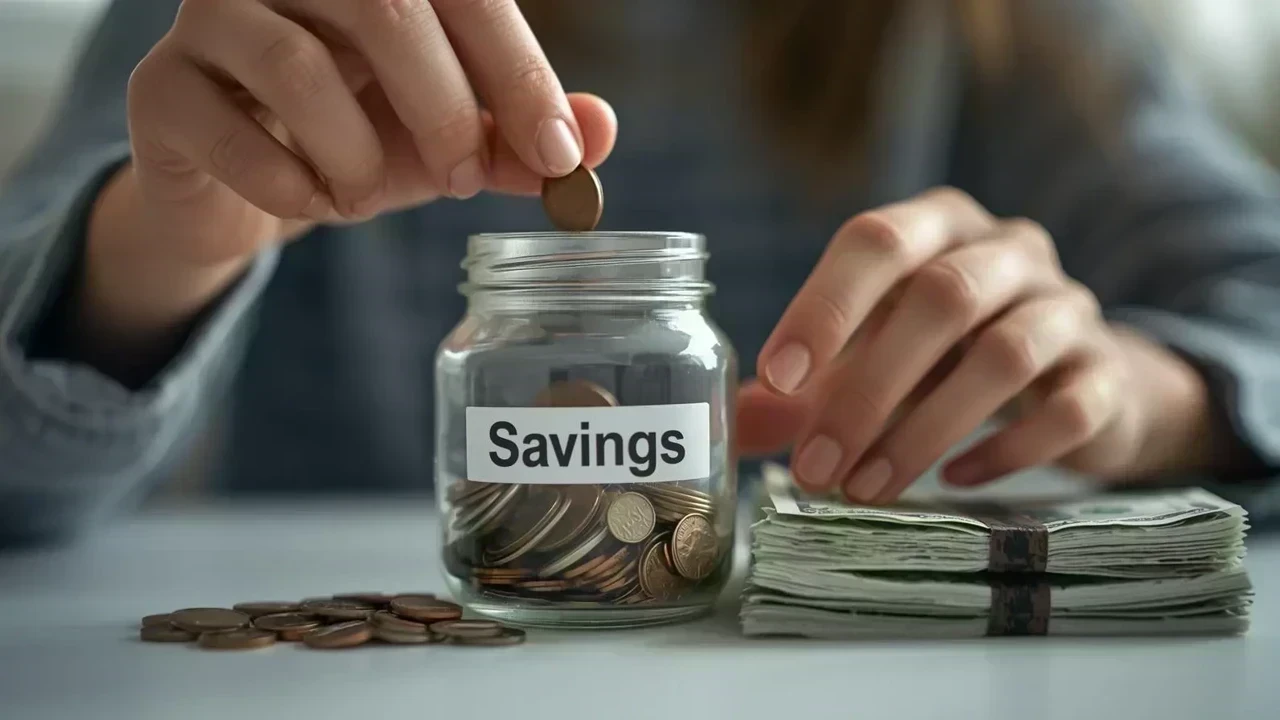
Emergency funds are different from savings for travel, investments, or future goals. Mixing these can weaken financial security. Emergency funds should remain untouched unless there is a genuine emergency. Separate accounts help maintain clarity and discipline.
How Emergency Funds Improve Financial Confidence
Having an emergency fund reduces anxiety and improves decision-making. Expats with financial buffers are more confident in negotiating jobs, handling transitions, and planning long-term goals. It turns financial uncertainty into manageable situations.
Practical Tips to Grow Emergency Funds Faster
Reduce lifestyle inflation when income increases.
Use bonuses or incentives to boost emergency savings.
Cut unnecessary subscriptions temporarily.
Redirect savings from impulse spending into emergency reserves.
Final Thoughts on Emergency Fund Planning for Expats
Emergency fund planning is not optional for expats living in the UAE. It is a core financial foundation that protects against sudden disruptions and provides peace of mind. Whether single or with family, building and maintaining an emergency fund allows expats to enjoy life in the UAE with confidence and stability.
Disclaimer
This article is for informational purposes only and does not constitute financial advice. Emergency fund needs vary based on individual income, lifestyle, family size, and employment conditions. Readers should assess their personal situation before making financial decisions.