Understanding Money Management for Expats in Dubai
Living and working in Dubai offers expats unique financial advantages such as tax-free income, global career exposure, and a high standard of living. At the same time, high living costs, lifestyle inflation, and lack of long-term financial planning can quickly erode savings. In 2026, expats need a more structured approach to money management to build wealth, stay financially secure, and plan for future goals beyond their time in the UAE.
Why Personal Finance Planning Is Crucial for Expats
Most expats in Dubai do not have permanent residency or retirement benefits tied to the country. This makes personal financial discipline essential. Without a solid plan, it is easy to enjoy short-term comfort while neglecting long-term stability. Smart money decisions help expats prepare for emergencies, career changes, relocation, and retirement.
Create a Clear Monthly Budget From Day One
A structured budget is the foundation of financial health.
Key steps include
• Listing fixed expenses such as rent, utilities, transport, school fees, and insurance
• Tracking variable expenses like dining out, shopping, and entertainment
• Setting monthly savings targets before discretionary spending
• Reviewing expenses every month to identify leaks
A practical rule many expats follow is saving at least 20–30 percent of monthly income consistently.
Control Lifestyle Inflation Early
Dubai’s lifestyle can quickly push spending higher through dining, luxury shopping, and frequent travel.
Smart ways to control lifestyle inflation include
• Setting spending limits for dining and entertainment
• Avoiding unnecessary upgrades in housing or vehicles
• Prioritizing value over status purchases
• Increasing savings whenever income increases instead of expenses
Lifestyle discipline helps maintain financial balance even with rising income.
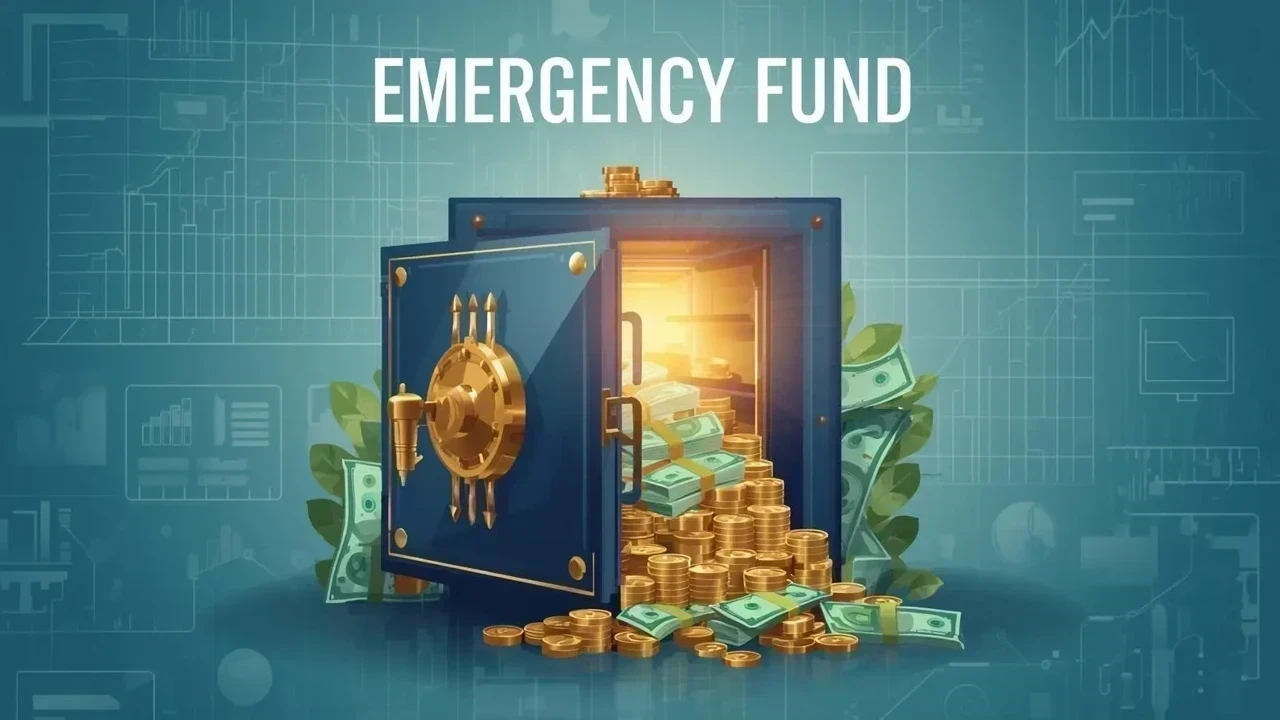
Build an Emergency Fund Without Delay
An emergency fund is critical for expats who may face sudden job changes or relocation.
Recommended approach
• Save at least 6 months of essential expenses
• Keep funds in easily accessible savings accounts
• Avoid using emergency funds for lifestyle spending
This buffer provides financial stability during unexpected situations such as job loss, medical issues, or delayed salary payments.
Understand Banking and Account Structure
Expats should structure their banking wisely to manage cash flow and international needs.
Important considerations
• Maintain a primary UAE account for salary and daily expenses
• Use a separate savings account to avoid spending saved money
• Keep an overseas account for long-term investments or remittances
• Monitor bank charges, minimum balance rules, and international transfer fees
Choosing the right bank products reduces unnecessary costs.
Manage Credit Cards and Loans Carefully
Credit cards are widely used in Dubai and can become a debt trap if not managed properly.
Smart credit habits include
• Paying full credit card bills every month
• Avoiding minimum payment cycles
• Limiting the number of active credit cards
• Using cards mainly for rewards and convenience, not borrowing
Personal loans should only be used for essential needs with clear repayment plans.
Plan Insurance Beyond Employer Coverage
Employer-provided insurance often covers basic healthcare but may not be sufficient long term.
Important insurance areas to review
• Health insurance coverage for family members
• Life insurance for dependents
• Income protection for job loss or disability
• International coverage if frequent travel is involved
Proper insurance planning protects savings from unexpected large expenses.
Save and Invest Outside Short-Term Thinking
Expats often delay investing due to uncertainty about how long they will stay in Dubai. This can be a costly mistake.
Smart investment principles include
• Starting early to benefit from compounding
• Diversifying across geographies and asset classes
• Separating short-term savings from long-term investments
• Avoiding speculative or high-risk schemes
Consistent investing builds financial independence regardless of location.
Retirement Planning Is Entirely Self-Managed
Unlike some countries, Dubai does not provide a government pension for expats. Retirement planning is a personal responsibility.
Key steps
• Estimating retirement income needs early
• Investing regularly in long-term instruments
• Planning for retirement outside the UAE
• Avoiding dependence on end-of-service benefits alone
End-of-service payouts should be treated as a bonus, not a retirement plan.
Make the Most of End-of-Service Benefits
End-of-service gratuity is often misunderstood or misused.
Best practices include
• Treating it as long-term savings
• Avoiding spending it immediately on lifestyle upgrades
• Investing it toward retirement or major financial goals
Proper use of this benefit can significantly strengthen long-term finances.
Plan for Currency and Repatriation Risks
Many expats send money home or invest internationally. Currency movements can impact savings value.
Smart strategies include
• Diversifying savings across currencies
• Timing remittances strategically
• Avoiding keeping all assets in one currency
This reduces risk from exchange rate fluctuations.
Prepare for Job Transitions and Relocation
Dubai’s job market is dynamic, and career changes are common.
Financial preparation includes
• Maintaining emergency savings
• Avoiding long-term financial commitments without buffers
• Keeping documents and finances organized
• Staying financially flexible
Preparedness reduces stress during career transitions.
Teach Financial Discipline to the Family
For expats with families, shared financial understanding is essential.
Helpful steps
• Discuss budgeting and savings openly
• Set family financial goals
• Teach children basic money habits
• Avoid peer pressure-driven spending
Strong financial habits at home support long-term stability.
Why Smart Money Management Makes Dubai Life Better
Effective personal finance planning allows expats to enjoy Dubai’s lifestyle without financial anxiety. It provides freedom, flexibility, and peace of mind while enabling long-term wealth creation. With disciplined habits, expats can turn high income potential into lasting financial security.
Overall Financial Outlook for Expats in 2026
In 2026, rising costs and lifestyle temptations make financial planning more important than ever for expats in Dubai. Those who focus on budgeting, saving, insurance, and long-term investing will be better prepared for both opportunities and uncertainties. Smart money moves today ensure financial confidence tomorrow.
Disclaimer
This article is for informational purposes only and does not constitute financial advice. Financial decisions should be based on individual circumstances, risk tolerance, and professional guidance where required.