Best Way to Save Money on a Monthly Salary
Saving money on a monthly salary often feels impossible. Fixed income, rising expenses, family responsibilities, lifestyle pressure, and unexpected costs leave very little at the end of the month. Most people believe saving is only possible when income increases, but in reality, saving is a system problem, not an income problem.
This guide explains the best, realistic, and sustainable ways to save money on a monthly salary, even if your income feels tight. Every point is explained in detail so you can apply it practically, not theoretically.
Why Most Salaried People Fail to Save Money
Before discussing solutions, it’s important to understand the real reasons saving doesn’t happen.
Most salaried individuals face:
-
Fixed income with little flexibility
-
Automatic lifestyle upgrades after salary hikes
-
No clear money structure
-
Emotional spending due to stress
-
Lack of visibility on where money goes
Saving fails not because income is low, but because money flows without direction.
Shift Your Mindset: Saving Is a Non-Negotiable Expense
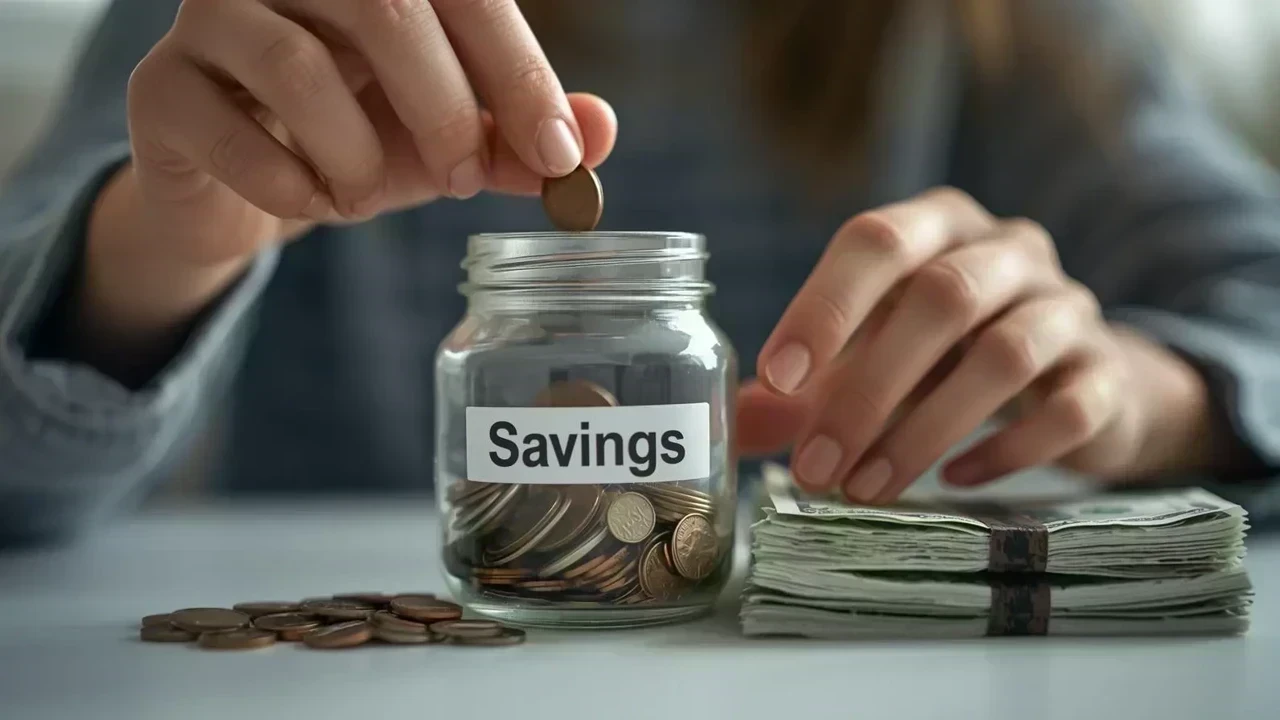
The most powerful shift is treating savings like a bill, not an option.
When rent, electricity, and internet are compulsory, savings must be treated the same way. If you wait to save what’s left, there will almost always be nothing left.
Pay yourself first, not last.
This mindset alone can change your financial future.
Build a Simple Money Structure (Not a Complicated Budget)
Complex budgets fail because they demand constant tracking.
A simple structure works better.
Use the 3-bucket approach
-
Essentials bucket: Rent, food, utilities, transport, EMIs
-
Savings bucket: Emergency fund, investments, future goals
-
Lifestyle bucket: Shopping, eating out, subscriptions, travel
Once money is divided intentionally, spending becomes controlled naturally.
Decide Your Savings Percentage First
Instead of saving random amounts, fix a percentage.
How to choose the right percentage
-
Beginners: 10% of salary
-
Stable earners: 15–20%
-
Aggressive savers: 25% or more
Start small if needed, but stay consistent. Increasing later is easier than starting big and quitting.
Automate Savings on Salary Day
Automation removes emotion from saving.
Why automation works
-
No temptation to spend first
-
No need to remember transfers
-
Discipline happens automatically
Set auto-debit to savings or investment accounts on the same day your salary is credited.
If you never see the money, you won’t miss it.
Separate Saving Money from Spending Money
Mixing savings and spending is a major reason people fail.
When savings sit in the same account as expenses, they slowly disappear.
Best practice
-
One account for salary and bills
-
One account for savings and investments
-
One account for daily spending
This physical separation creates mental discipline.
Track Expenses Only Once a Month
Daily tracking is exhausting and unsustainable.
Monthly review is enough.
What to check
-
Where money leaked unnecessarily
-
Subscriptions not used
-
Impulse purchases
-
Repeated small expenses
Awareness alone reduces overspending in the next month.
Control Lifestyle Inflation After Salary Increments
The biggest enemy of saving is lifestyle inflation.
When income increases, expenses quietly increase too.
Smart approach
-
Save at least 50% of every salary hike
-
Upgrade lifestyle slowly, not instantly
-
Prioritize financial stability over appearances
This single habit can multiply your savings over time.
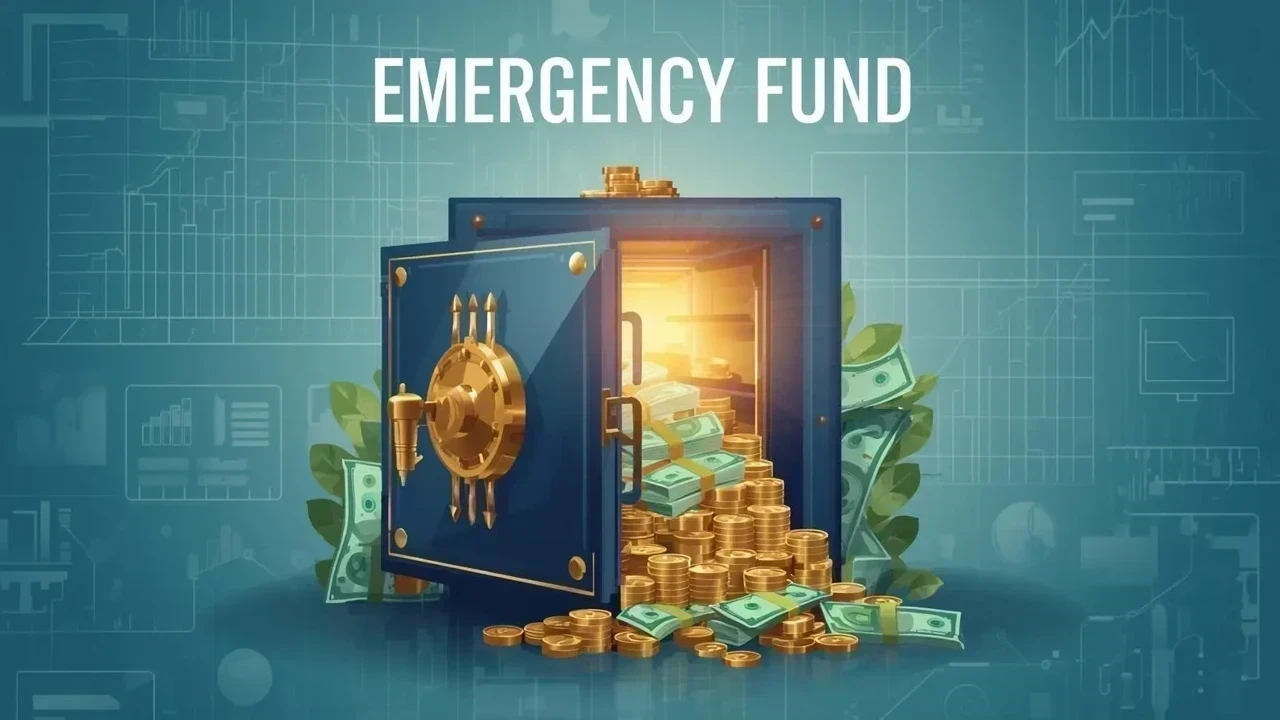
Create an Emergency Fund Before Anything Else
An emergency fund protects your savings from being destroyed.
Without it, every emergency forces you to use credit cards or break investments.
How much to save
-
Minimum: 3 months of essential expenses
-
Ideal: 6 months of essential expenses
Keep this money liquid and low-risk.
Reduce High-Interest Debt Aggressively
Saving while carrying high-interest debt is inefficient.
Why debt blocks savings
-
Interest eats future income
-
Monthly EMIs reduce flexibility
-
Mental stress leads to poor money decisions
Prioritize closing credit cards and personal loans before aggressive investing.
Cut Expenses That Add No Real Value
Saving doesn’t require cutting joy—it requires cutting waste.
Common money leaks
-
Multiple OTT subscriptions
-
Frequent food delivery
-
Unused gym memberships
-
Impulse online shopping
Removing low-value expenses frees money without reducing quality of life.
Learn to Spend Intentionally, Not Emotionally
Many purchases are emotional responses to stress or boredom.
How to fix this
-
Delay non-essential purchases by 48 hours
-
Avoid shopping when tired or stressed
-
Unsubscribe from marketing emails
Intentional spending improves satisfaction and reduces regret.
Use Cash Flow Awareness, Not Restriction
Knowing when money comes and goes matters more than restricting everything.
Simple cash flow rule
-
Fixed expenses below 50–60% of income
-
Savings at least 15–25%
-
Lifestyle within remaining amount
If lifestyle expenses exceed limits, saving becomes impossible.
Save First for Big Goals, Not Small Wants
Saving without purpose feels painful.
Saving with purpose feels motivating.
Define clear goals
-
Emergency fund
-
Home purchase
-
Education
-
Travel
-
Retirement
When goals are visible, spending naturally becomes selective.
Increase Savings Without Increasing Income
Even without salary hikes, savings can grow.
How
-
Reduce expense growth rate
-
Redirect bonuses or incentives fully to savings
-
Use annual increments strategically
Saving growth depends more on discipline than income jumps.
Invest, Don’t Just Save
Saving protects money; investing grows it.
Over long periods, keeping all savings idle reduces purchasing power.
Smart approach
-
Short-term needs in safe options
-
Long-term goals in growth-oriented instruments
-
Avoid chasing quick returns
Consistent investing beats timing the market.
Protect Savings With Proper Insurance
Medical emergencies destroy savings faster than anything else.
Essential coverage
-
Health insurance
-
Life insurance (if dependents exist)
Insurance prevents forced withdrawals from savings.
Build the Habit of Annual Financial Reviews
Your salary, expenses, and goals change every year.
Without review, money plans become outdated.
Review annually
-
Savings rate
-
Insurance coverage
-
Debt status
-
Goal progress
This keeps your system aligned with reality.
Avoid Comparison-Based Spending
Social media creates artificial spending pressure.
People spend not because they need to, but because others appear to.
Reality check
-
Most lifestyles online are financed by debt
-
Financial peace matters more than appearances
-
Saving silently beats spending loudly
Comparison kills savings faster than low income.
Understand That Saving Is a Skill
Saving improves with practice.
Initial months feel restrictive, but over time it becomes normal.
Your brain adapts to new spending limits.
Consistency beats perfection.
Long-Term Benefits of Saving on a Monthly Salary
People who master saving early experience:
-
Reduced financial stress
-
Freedom to handle emergencies
-
Ability to invest confidently
-
Better lifestyle choices later
Saving gives control, not restriction.
Final Perspective on Saving Money as a Salaried Individual
The best way to save money on a monthly salary is not through extreme sacrifice. It is through structure, automation, awareness, and consistency.
You don’t need a high income to build strong savings. You need a system that works even on average income.
When saving becomes automatic, money stops being stressful and starts becoming empowering.
Disclaimer
This article is for informational purposes only and does not constitute financial, legal, or investment advice. Individual financial situations vary based on income, expenses, liabilities, and personal goals. Readers should consult a qualified financial advisor before making significant financial decisions or changes.