New Hope for Type 1 Diabetes: Uppsala Scientists’ Breakthrough Discovery
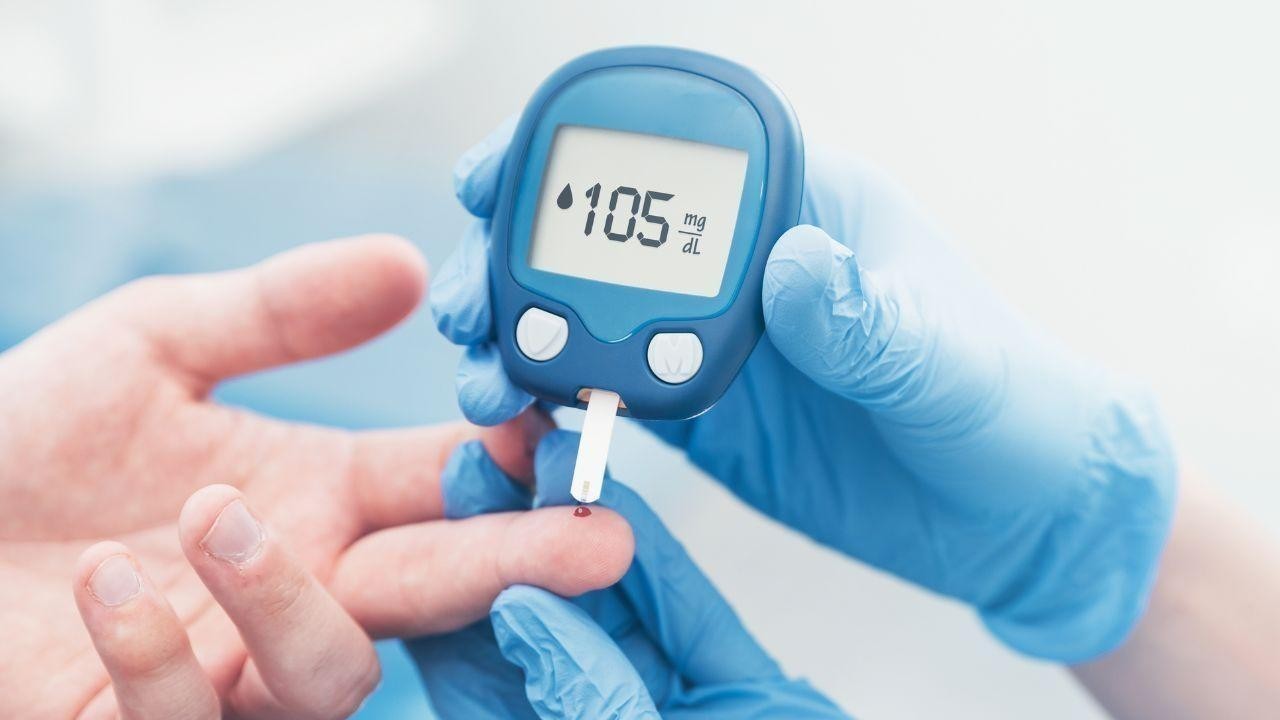
Type 1 Diabetes is a serious health condition that affects millions of people worldwide. Unlike Type 2 Diabetes, it happens when the immune system attacks the insulin-producing cells (beta cells) in the pancreas. This stops the body from controlling blood sugar properly. People with this condition usually need daily insulin shots, careful diets, and constant blood sugar monitoring.
Recently, Uppsala scientists made an exciting breakthrough. Their research offers hope for a possible cure using stem cell therapy and transplants, which could change how Type 1 Diabetes is treated.
What is Type 1 Diabetes?
Type 1 Diabetes is an autoimmune disease, which means the body attacks its own cells. Here, the immune system destroys the beta cells in the pancreas that make insulin. Without insulin, sugar cannot enter the body’s cells to give energy, leading to high blood sugar. If left untreated, it can cause serious problems like kidney damage, nerve damage, or vision loss.
Traditional treatment involves daily insulin injections, but this does not cure the disease. This is why the work of Uppsala scientists is so important—they are trying to restore the body’s natural ability to make insulin.
How Stem Cell Therapy Helps
Stem cell therapy is a new and exciting approach. Stem cells can turn into any type of cell in the body. For Type 1 Diabetes, scientists use stem cells to create working beta cells in the lab. These cells can then be transplanted into patients.
The Uppsala scientists are growing beta cells that work just like natural ones. Early tests show these cells can produce insulin in response to blood sugar changes, which is very promising.
The main benefits are:
-
Treating the root cause of Type 1 Diabetes instead of just symptoms.
-
Reducing the need for daily insulin injections and constant blood sugar checks.
Transplants: Replacing Damaged Cells
Another approach is transplants. Doctors can transfer clusters of insulin-producing cells from a donor to a patient. However, this was not always successful because the immune system could reject the new cells.
The breakthrough combines stem cell therapy with transplants. The lab-grown cells are designed to work better with the patient’s immune system, reducing rejection and increasing the chance the cells will survive and function long-term.
How the Breakthrough Works
The scientists solved two main challenges:
-
Immune System Rejection – Normally, the immune system attacks new beta cells. Researchers are finding ways to protect or “mask” the cells so the body accepts them.
-
Cell Functionality – Beta cells grown in labs must behave like natural cells, releasing insulin at the right time. The scientists have created special conditions to help the cells mature and work efficiently.
With these solutions, stem cell therapy and transplants could become a reliable way to treat Type 1 Diabetes.
What This Means for Patients
If the research continues to succeed, it could have a huge impact:
-
Less reliance on insulin injections.
-
Lower risk of diabetes-related health problems.
-
Better quality of life and daily freedom.
Experts believe that combining stem cell therapy and transplants could one day offer a long-term or even permanent solution for people with Type 1 Diabetes.
Global Attention and Future Research
This breakthrough has caught the attention of medical institutions and biotech companies around the world. Scientists are working to produce enough beta cells and test how well they work in long-term trials. Regulatory approvals and safety checks will be important before this therapy is widely available.
Researchers are also collaborating internationally to improve techniques, reduce costs, and make the treatment available to patients everywhere. The work of Uppsala scientists is a major step forward in finding a cure for chronic diseases.
Challenges That Remain
Even with this progress, there are still challenges:
-
Ensuring lab-grown beta cells survive and work well in the human body over time.
-
Managing the immune system to prevent rejection.
-
Making treatments affordable and available globally.
Scientists are optimistic, as each step brings the medical community closer to changing the way Type 1 Diabetes is treated.
Disclaimer:
The information provided in this article is for educational and informational purposes only. DXB News Network does not provide medical advice. Readers should consult qualified healthcare professionals before making any decisions related to Type 1 Diabetes or any medical treatment.