Hope in Healing: Real-Life Journeys That Prove Mental Struggles Can Be Overcome
In a world where mental health challenges touch millions, the phrase hope in healing resonates deeply. For many, it is not just a concept but a journey of endurance, self-discovery, and transformation. People across the globe face depression, anxiety, trauma, and other emotional battles, yet countless stories prove that recovery is possible. By sharing these narratives, we not only encourage those still struggling but also break the stigma surrounding mental health.
Facing the Storm: The Beginning of the Journey
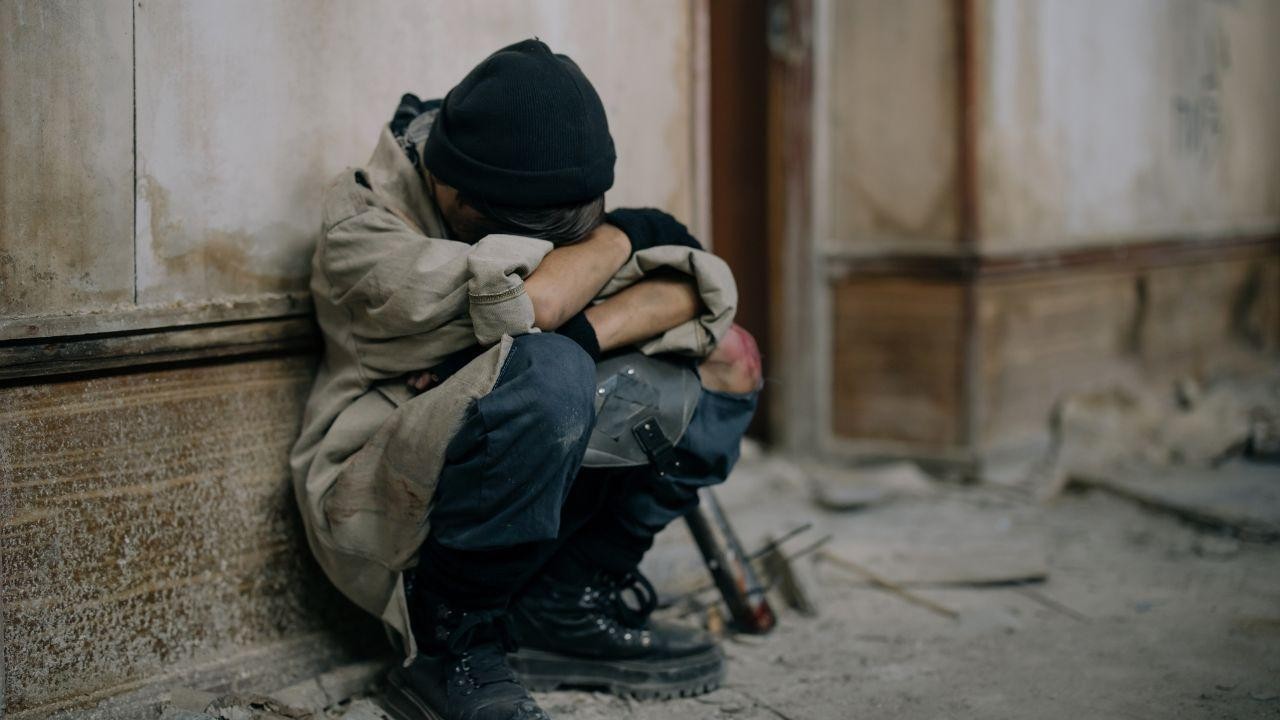
For most individuals, overcoming mental struggles begins with acknowledging the problem. This is often the hardest step, as fear, shame, or societal pressures can prevent people from speaking out. Many who have walked this path describe feeling trapped in an endless cycle of pain and hopelessness. Yet, the moment they reach out for help—whether through therapy, friends, or support groups—they take their first step toward healing.
Take the story of Maya, a young professional who battled severe anxiety for years. Her healing began when she finally confided in a trusted friend, who encouraged her to seek professional help. Through therapy and mindfulness practices, she not only managed her anxiety but also learned to embrace life’s uncertainties with courage.
Finding Strength Through Connection
A recurring theme in stories of recovery is the power of connection. Support networks—be it family, friends, or peer groups—play a crucial role in helping individuals overcome mental health challenges. For example, John, a war veteran dealing with PTSD, found comfort and understanding in a group of fellow veterans. Their shared experiences created a safe space where healing could begin without judgment.
Connection fosters a sense of belonging and reminds individuals that they are not alone in their struggles. It transforms isolation into community and despair into hope.
Tools for Transformation
While each recovery journey is unique, certain tools and strategies often prove effective. Cognitive-behavioral therapy (CBT), meditation, journaling, exercise, and healthy lifestyle changes can significantly improve mental well-being. For some, creative outlets such as painting, writing, or music offer a way to process emotions and channel pain into something meaningful.
Consider the case of Daniel, who used art therapy to cope with his depression. His paintings became visual representations of his journey—from dark, chaotic strokes to vibrant, hopeful colors. Today, he runs workshops to help others use creativity as a healing tool.
Overcoming Setbacks
Healing is rarely a straight line. Setbacks are part of the process, and learning to navigate them with patience and self-compassion is vital. Many survivors emphasize the importance of viewing relapses not as failures, but as opportunities to learn and grow.
Take Sarah’s journey. After months of progress in battling her eating disorder, she experienced a relapse. Instead of giving up, she used the moment to reassess her coping strategies, reaching out to her therapist and support group for renewed guidance. Her story is a reminder that resilience is built not by avoiding challenges, but by rising every time we fall.
Inspiring Others Through Storytelling
One of the most powerful ways to inspire hope is through storytelling. When people share their experiences of overcoming mental struggles, they not only empower themselves but also give others the courage to seek help. These stories dismantle stereotypes and highlight that mental illness does not define a person’s worth or potential.
Social media platforms, podcasts, and community events have become powerful avenues for spreading such messages. By amplifying these voices, we normalize conversations about mental health and make it easier for others to take their first step toward recovery.
The Role of Professional Support
Professional mental health support remains a cornerstone of lasting recovery. Psychologists, psychiatrists, counselors, and therapists provide the tools, guidance, and safe space needed for individuals to work through their challenges. Medication, when necessary, can also help stabilize symptoms and create a foundation for therapeutic work.
Many of the inspiring stories in “Hope in Healing” feature people who sought help from professionals after years of struggling alone. This step often marked a turning point in their journeys, proving that it is never too late to ask for support.
Cultivating Hope Every Day
Even after significant recovery, maintaining mental wellness is an ongoing process. Daily habits such as practicing gratitude, staying active, maintaining social connections, and setting healthy boundaries contribute to long-term resilience. For many, hope in healing is not a one-time achievement but a daily commitment to self-care.
Disclaimer:
The information in this article is for educational and inspirational purposes only and should not be taken as professional medical advice. If you or someone you know is struggling with mental health challenges, please seek guidance from a qualified healthcare provider. DXB News Network encourages readers to prioritize their well-being and reach out to available support services when needed.