What Are The Best Foods To Eat During Cancer Treatment?
Cancer treatment is a challenging journey for both the body and mind. Treatments like chemotherapy, radiation, or surgery not only work to destroy cancer cells but also place extra stress on your body. This can affect your digestion, energy levels, and immune system. During this time, eating the right foods is extremely important. A balanced diet can help you feel stronger, manage side effects, and give your body the fuel it needs to heal.
Here’s a detailed guide to the best foods to eat during cancer treatment, along with tips to make meals easier and more effective for your health.
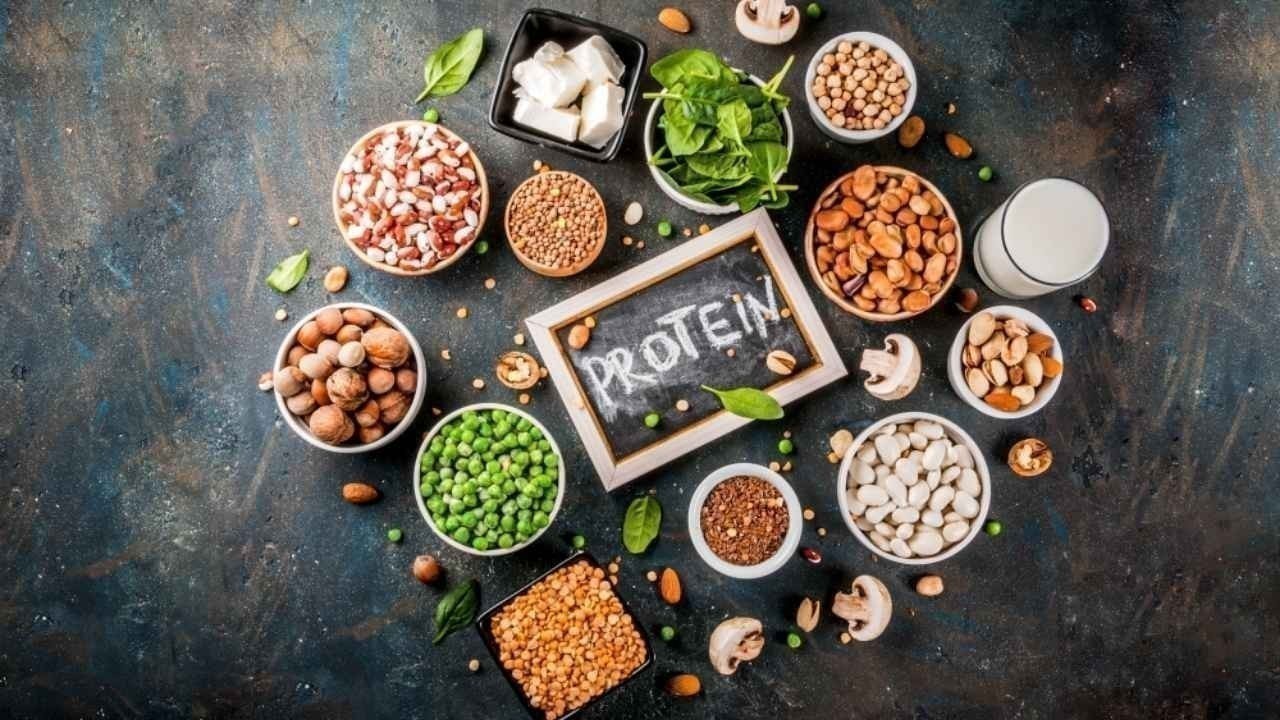
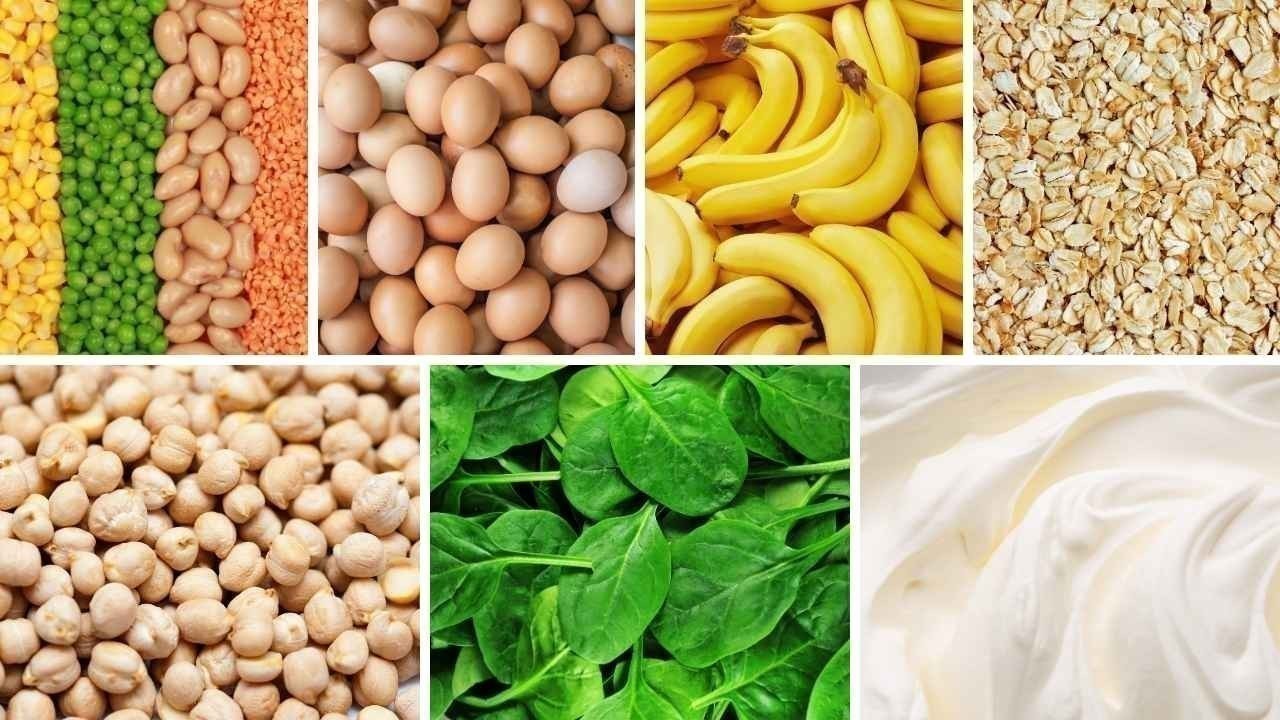
1. Protein-Rich Foods – Strengthen and Repair
Protein is essential for repairing tissues, keeping muscles strong, and supporting the immune system. When undergoing cancer treatment, your body needs more protein than usual to recover faster and stay healthy.
Best options:
-
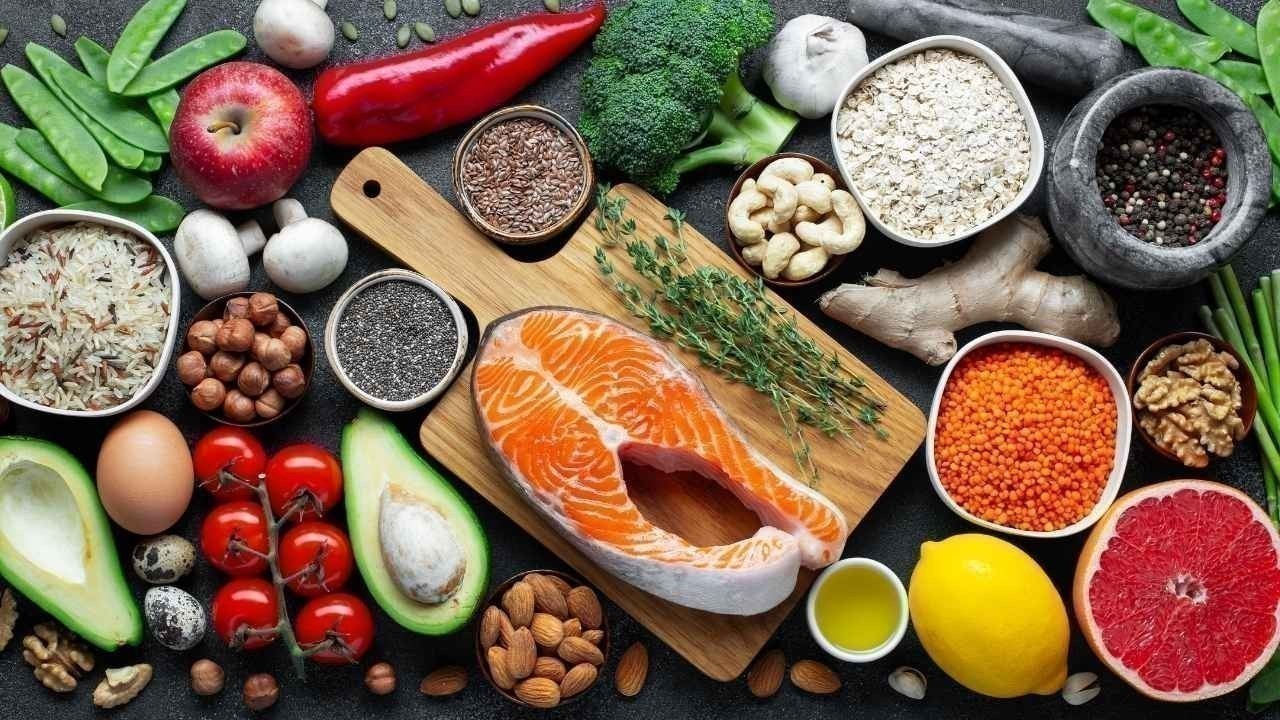
Lean meats such as chicken and turkey
-
Fish like salmon, mackerel, and sardines, which are high in omega-3 fatty acids
-
Eggs
-
Dairy products including milk, yogurt, and cheese
-
Plant-based proteins like lentils, beans, chickpeas, and tofu
Including protein in every meal helps your body recover, prevents muscle loss, and keeps your energy levels steady.
2. Fresh Fruits – Natural Vitamins and Antioxidants
Fruits are rich in vitamins, minerals, and antioxidants that protect your cells and strengthen your immunity. They also help with common side effects of cancer treatment, such as nausea and constipation.
Best options:
-
Berries (blueberries, strawberries, raspberries) – loaded with antioxidants
-
Citrus fruits (oranges, lemons, grapefruits) – high in vitamin C
-
Bananas – easy to digest and gentle on the stomach
-
Apples and pears – provide fiber to help digestion
Eating a variety of colorful fruits daily supports your body in fighting free radicals and boosts overall health.
3. Vegetables – Essential Nutrients for Healing
Vegetables provide essential vitamins, minerals, and fiber that support your immune system and reduce inflammation. They are also helpful for digestion, which can be affected during treatment.
Best options:
-
Leafy greens like spinach, kale, and lettuce
-
Cruciferous vegetables such as broccoli, cauliflower, and Brussels sprouts
-
Carrots and sweet potatoes – rich in beta-carotene
-
Bell peppers – high in vitamin C
Lightly steaming or sautéing vegetables preserves their nutrients and makes them easier to digest.
4. Whole Grains – Energy and Digestive Support
Whole grains supply energy, fiber, and important nutrients that help maintain a healthy digestive system. They also prevent constipation, which can be a side effect of some cancer treatments.
Best options:
-
Brown rice
-
Oats
-
Quinoa
-
Whole wheat bread or pasta
Including whole grains in your meals keeps you full longer, provides steady energy, and supports proper digestion.
5. Healthy Fats – Energy and Cell Protection
Healthy fats are important for protecting cells, supporting brain health, and helping the body absorb fat-soluble vitamins like A, D, E, and K. They also provide extra calories without making you feel too full.
Best options:
-
Olive oil and avocado – heart-healthy fats
-
Nuts and seeds such as almonds, walnuts, and flaxseeds
-
Fatty fish like salmon, sardines, and mackerel
Adding small amounts of these fats to meals can increase energy and help your body heal.
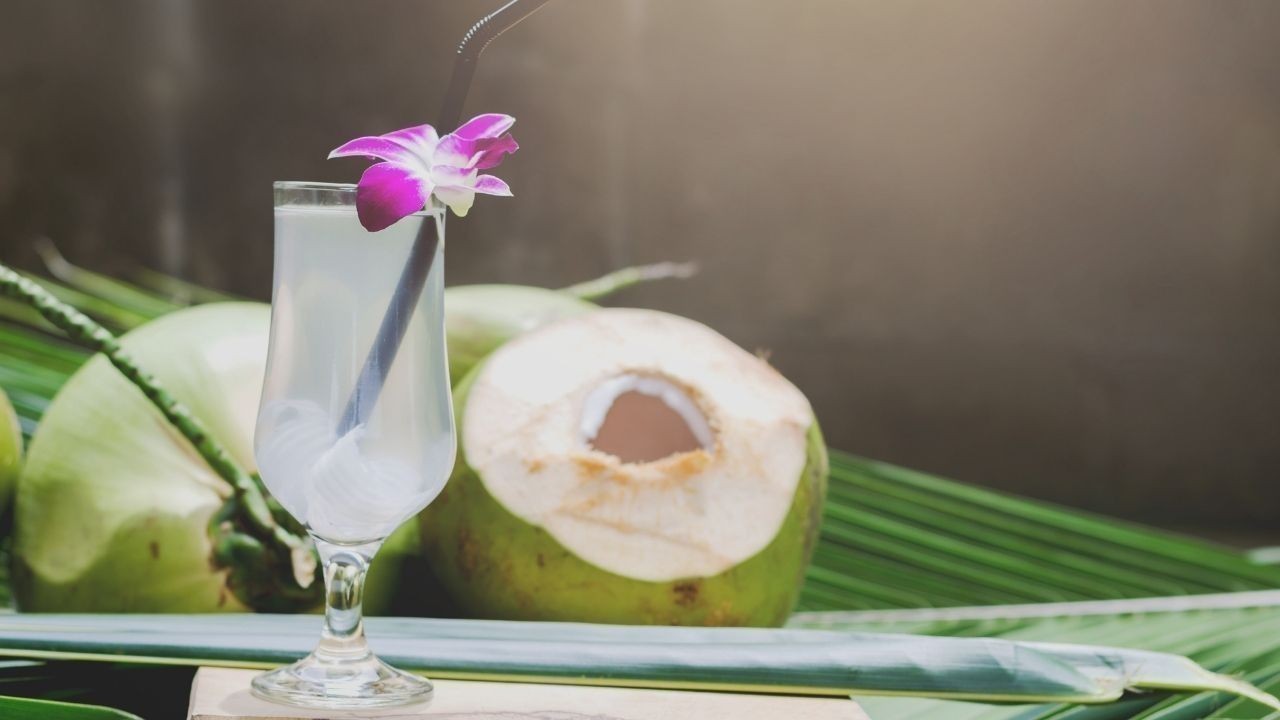
6. Hydration – Stay Strong and Balanced
Cancer treatments can cause dehydration due to nausea, vomiting, or diarrhea. Drinking enough fluids keeps your body working properly, flushes toxins, and maintains energy levels.
Best options:
-
Water – 8–10 glasses a day
-
Herbal teas like ginger, peppermint, and chamomile
-
Broths and soups – nourishing and easy to digest
-
Fresh fruit juices without added sugar
Regular hydration is key to staying strong during treatment.
7. Foods for Gut Health – Improve Digestion and Immunity
A healthy gut supports nutrient absorption and strengthens the immune system, which is especially important during cancer treatment.
Best options:
-
Yogurt with live cultures
-
Kefir and other fermented drinks
-
Fermented vegetables like sauerkraut and kimchi
These foods help reduce digestive discomfort and support overall body health.
8. Easy-to-Digest Foods – Gentle on the Stomach
Side effects like mouth sores, nausea, or reduced appetite can make eating difficult. Soft, easy-to-digest foods help ensure you still get enough nutrients.
Best options:
-
Mashed potatoes or sweet potatoes
-
Smoothies with fruits and yogurt
-
Scrambled eggs
-
Soups and purees
Eating smaller, frequent meals is easier on the stomach and helps maintain energy.
Tips for Eating During Cancer Treatment
-
Listen to your body: Avoid foods that worsen nausea or discomfort.
-
Eat small, frequent meals: Helps maintain energy and manage side effects.
-
Avoid raw or undercooked foods: Reduces the risk of infections.
-
Limit processed and sugary foods: Focus on nutrient-rich options to support healing.
Eating the right foods during cancer treatment can make a significant difference in recovery, strength, and overall wellbeing. Protein, fruits, vegetables, whole grains, healthy fats, and proper hydration support your body and help manage side effects. Remember, these dietary choices are meant to complement medical treatment and not replace professional care.
Disclaimer
The information in this article by DXB News Network is for general awareness and educational purposes only. It should not replace professional medical advice. Readers are encouraged to consult a qualified healthcare expert before making any significant changes to their diet or nutrition during cancer treatment.