A neurosurgeon from the United States has shared simple but important reasons why people in Japan live longer than most of the world. Dr Jay Jagannathan, from the Michigan Neurosurgery Institute, recently explained in an online post that Japan’s long life expectancy is not only because of food, but also because of daily habits and cultural values.
Japan has one of the highest life expectancies in the world, averaging around 84 to 85 years. This is almost a decade more than the average lifespan in the United States, which stands at around 75 to 77 years. Dr Jagannathan said that Japan’s success comes from a mix of low stress, balanced eating, active lifestyles, and strong community support.
He first highlighted that people in Japan tend to experience lower levels of chronic stress compared to many other countries. Long-term stress affects the brain, the heart, and overall health. It can raise the chances of diabetes, high blood pressure, and other diseases. While there is no single reason why one society lives longer than another, he said that reduced long-term stress definitely helps.
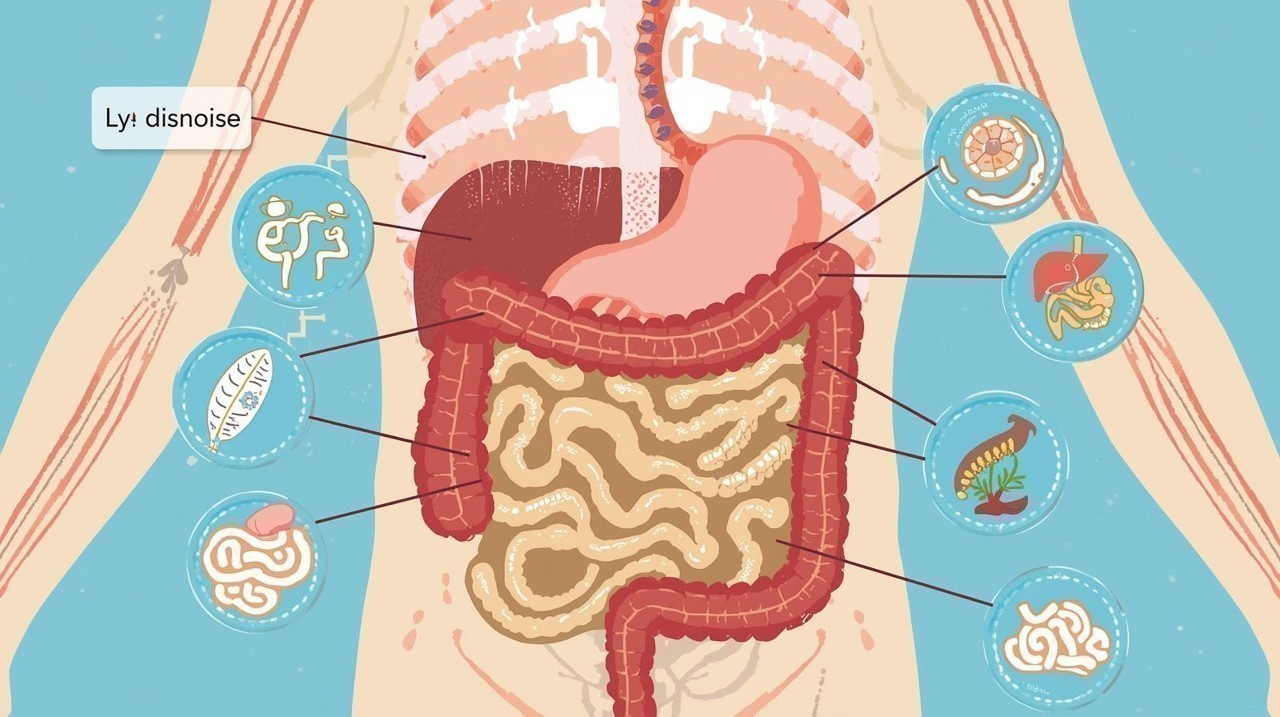
Food habits also play a major role. Japanese meals are known for being small, simple, and balanced. According to Dr Jagannathan, the portion sizes in Japan are much smaller than what is common in the United States. Even at steakhouses, the largest steak he found was only four ounces, which would be considered very small in America. Eating small portions helps prevent overeating and supports healthy digestion and body weight.
Another major factor is the amount of movement built into daily life. Dr Jagannathan observed that people walk a lot, whether they are going to work, visiting parks, or taking public transport. Since many people rely on trains instead of cars, walking becomes a natural part of the day. Even older adults can be seen walking regularly, which helps maintain good physical health.
He also stressed the importance of Japan’s inclusive social structure. The country has very low homelessness rates because communities and systems make space for everyone, including older people and people with mental disabilities. This social support helps give vulnerable groups a better chance at a healthier life. When a society takes care of those who are at risk, overall life expectancy rises.
Dr Jagannathan’s observations show that Japanese longevity comes from daily lifestyle choices, social harmony, and habits that promote both physical and mental health. His message suggests that other societies can learn from Japan by reducing stress, moving more, eating smaller meals, and creating stronger support systems for everyone.