Transforming Health and Care: The Latest Changes You Need to Know
The health and care sector is always changing. New technologies, treatments, and services are improving how we look after people’s health. From amazing medical research to better ways of giving care, these changes are creating a healthier future for individuals and communities. Knowing about these new updates helps patients, health workers, and leaders make better decisions. This article explains the most important changes and how they affect global health.
Medical Innovations Making Care Better
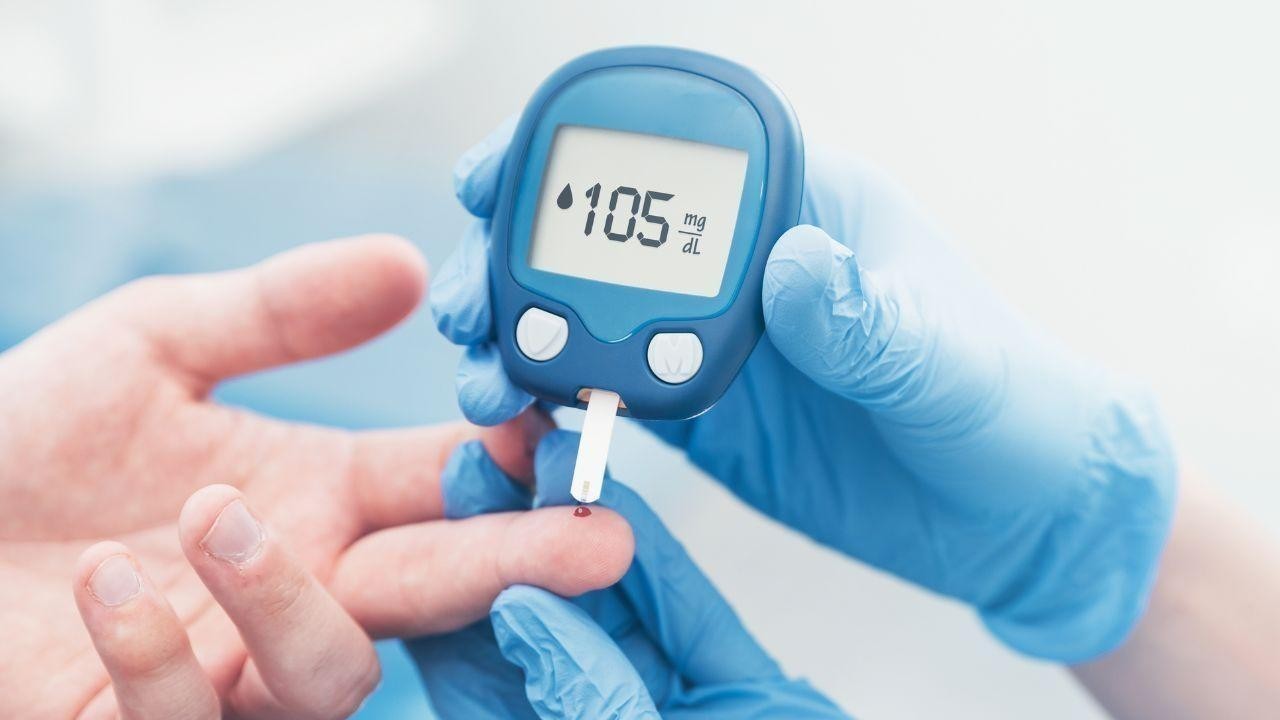
One of the most exciting parts of the health and care sector is how fast medical technology is growing. New tools like artificial intelligence (AI), telemedicine, and wearable devices are making healthcare more personal and easier to access. AI can now find diseases earlier. Telemedicine lets patients talk to doctors without leaving home. Wearable devices can check things like heart rate or steps all day, helping people take care of their health.
Focus on Preventive Healthcare
Preventing illness is now a big priority. Experts have learned that stopping diseases before they happen is cheaper and more effective than treating them later. In the health and care sector, there’s more focus on regular check-ups, screenings, vaccines, and healthy lifestyle habits. Public campaigns encourage people to eat healthy, exercise, and look after their mental health to avoid serious illnesses like heart disease and diabetes.
Digital Healthcare is Growing
The latest developments in healthcare include using more digital tools. Hospitals now keep electronic health records (EHRs) to make patient care faster and reduce mistakes. Cloud systems let doctors and nurses quickly see patient information when needed. Mobile apps help people book appointments, get reminders, and even find mental health support.
Big Steps in Medical Research
Research is helping the health and care sector improve treatments. Scientists are testing gene therapies for rare diseases, finding better cancer treatments, and improving organ transplants. COVID-19 vaccine research has also made new, faster ways to create vaccines for future illnesses. Personalized medicine—where treatment is made just for one person’s genetic makeup—is also becoming more common.
Mental Health Gets More Attention
Mental health is now seen as just as important as physical health. The health and care sector is increasing access to therapy, counseling, and community help programs. Workplaces are offering wellness programs, and schools are teaching students about mental health. The stigma around mental illness is slowly going away, so more people feel safe asking for help.
Putting Patients at the Center
Modern healthcare is now focusing more on patient-centered care. This means patients are part of the decision-making about their treatment. Doctors and patients work together, and hospitals are making services more comfortable, clear, and easy to access.
Making Healthcare Environmentally Friendly
The health and care sector is also thinking about the planet. Hospitals are cutting down waste, saving energy, and using eco-friendly medical supplies. Green healthcare aims to protect both people’s health and the environment.
Working Together Around the World
Countries are now working together to solve global health problems. They share research, technology, and resources. The World Health Organization (WHO) works with governments to stop diseases, share vaccines, and respond quickly to health crises. This teamwork helps poorer countries get life-saving treatments too.
Challenges That Remain
Even with all these improvements, there are still problems. Healthcare costs are rising, many people still don’t have access to care, and there are shortages of trained health workers. Rural areas especially have fewer services. To fix this, we need better policies, more training for healthcare staff, and continued innovation.
Disclaimer:
The information in this article is for general awareness and educational purposes only. DXB news network does not provide medical advice, diagnosis, or treatment. Always consult a qualified healthcare professional for guidance specific to your health condition.