Ancient Trade Routes That Shaped Modern Middle Eastern Cities
The Middle East has always been the crossroads of civilization. Long before modern borders, skyscrapers and highways existed, ancient trade routes connected Asia, Africa and Europe through this region. These routes were not just paths for goods but channels for culture, religion, technology and urban growth. Many of today’s major Middle Eastern cities owe their location, prosperity and global importance to these ancient trade networks.
Why Ancient Trade Routes Were So Powerful
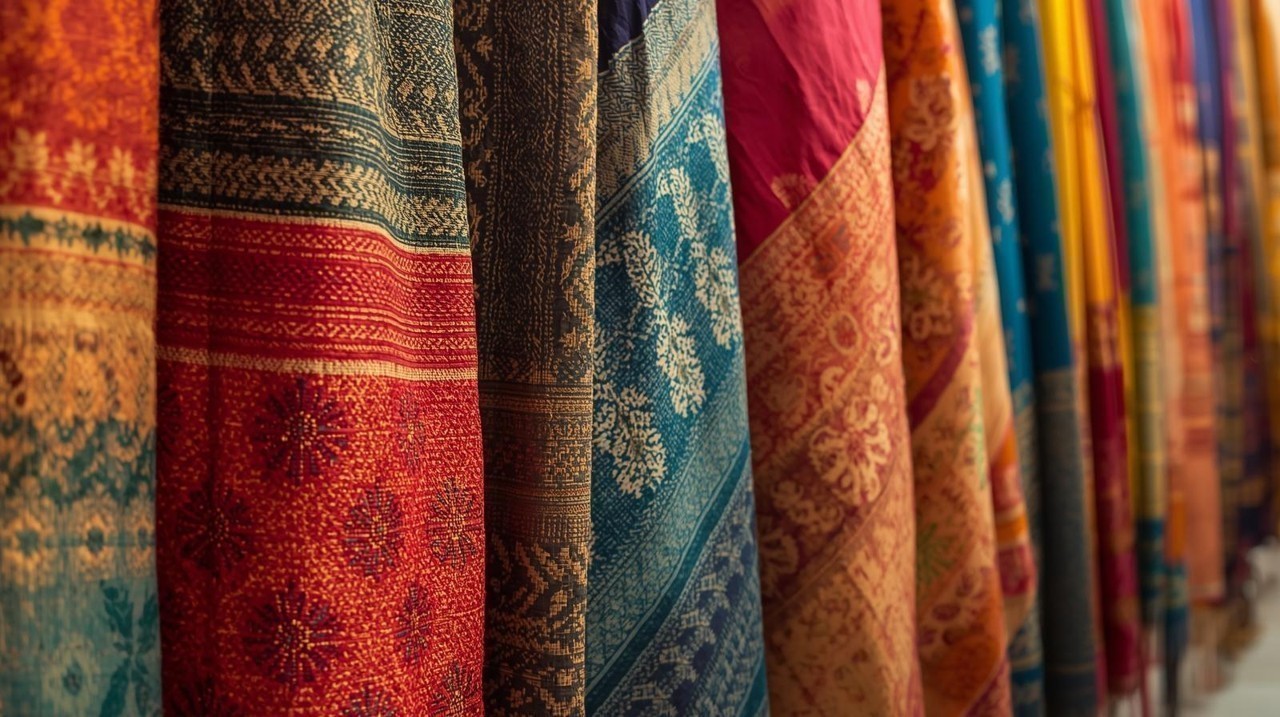
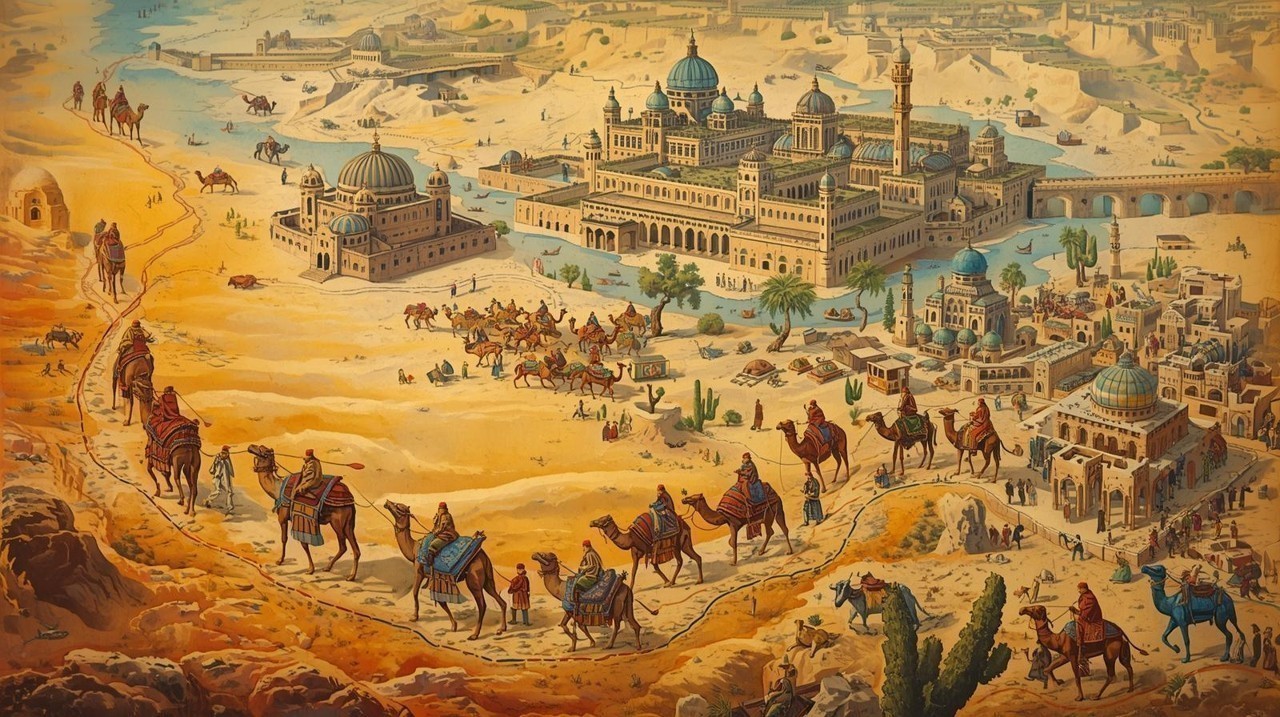
Ancient trade routes determined where cities were built, how economies developed and which regions gained influence. Merchants carried spices, silk, gold, incense, textiles and ideas across deserts and seas. Cities that offered water, security, ports or resting points became trade hubs and eventually powerful urban centers.
The Silk Road and the Rise of Middle Eastern Cities
The Silk Road was one of the most influential trade networks in history, linking China with the Mediterranean.
Samarkand and Bukhara
Although now in Central Asia, these cities heavily influenced Middle Eastern trade culture. They acted as gateways between Persia, Arabia and Asia, shaping commerce patterns that extended into Iran, Iraq and the Arabian Peninsula.
Baghdad
Founded in the 8th century, Baghdad became a major Silk Road center. Its strategic location near the Tigris River connected land routes with river trade. Baghdad flourished as a hub of knowledge, finance and global commerce, setting foundations for its lasting historical importance.
The Incense Route and Arabian Cities
The Incense Route transported frankincense and myrrh from southern Arabia to the Mediterranean world.
Petra
Petra thrived as a desert trade capital because it controlled key Incense Route passages. Its advanced water systems and caravan infrastructure turned it into one of the wealthiest cities of its time.
Mecca
Before becoming the spiritual center of Islam, Mecca was a major trading city. Its location along caravan routes made it a commercial hub where tribes exchanged goods, strengthening its regional importance.
The Spice Trade and Coastal Cities
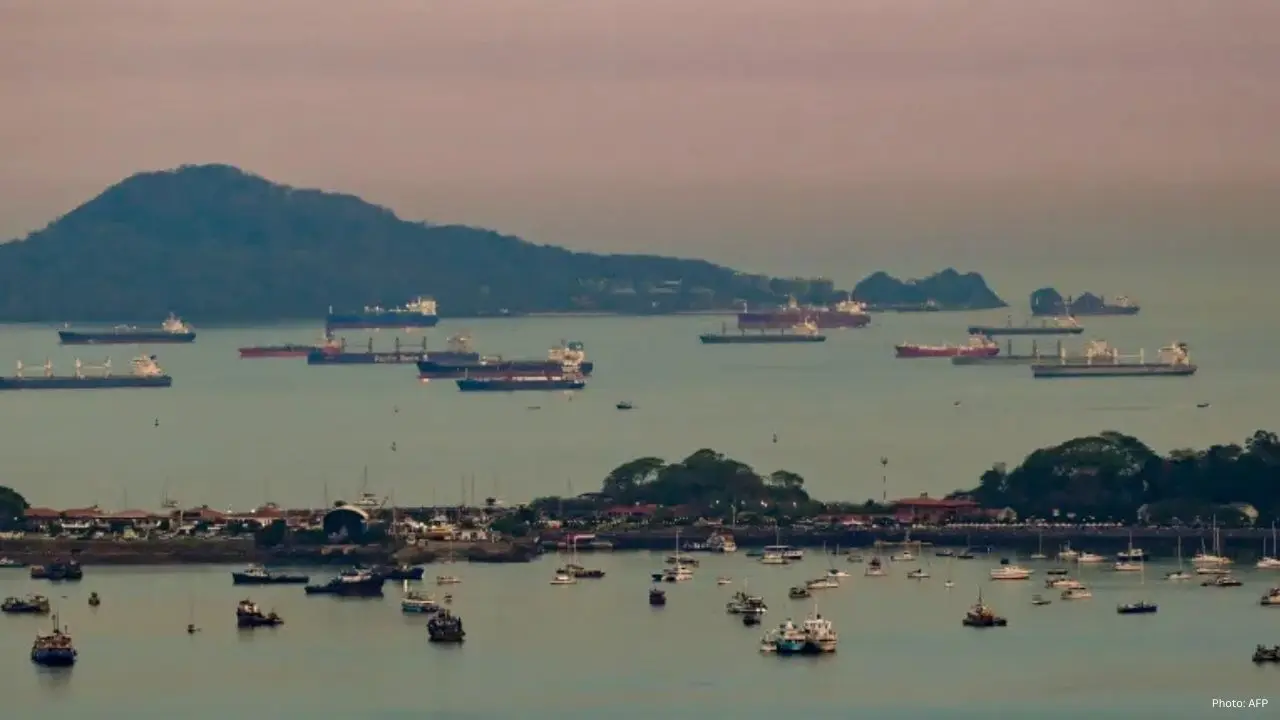
The spice trade connected India, Southeast Asia and the Middle East through sea routes across the Indian Ocean.
Muscat
Muscat’s natural harbor made it a vital stop for spice traders. Its maritime trade legacy still defines its role as a port city today.
Dubai
Dubai’s origins lie in fishing, pearl diving and trade. Positioned along maritime trade routes, it evolved from a small trading settlement into one of the world’s busiest commercial cities by building on its historic trading culture.
The Red Sea Route and Religious Commerce
Trade routes across the Red Sea linked Africa, Arabia and the Mediterranean.
Jeddah
Jeddah grew as a port city serving both trade and pilgrims. Its importance increased as merchants and travelers passed through on their way to Mecca, shaping its role as a gateway city.
The Persian Royal Road
One of the earliest organized highways, the Persian Royal Road connected Asia Minor with Mesopotamia.
Susa
Susa became a powerful administrative and trade center due to its position on this road. It influenced trade efficiency and governance models across the region.
Damascus
Damascus benefited from its connection to multiple trade routes, including the Royal Road and Silk Road branches. Its rich markets and craft industries continue to define its old city today.
How Trade Routes Shaped Urban Design
Ancient trade routes influenced city planning. Markets, caravanserais, ports and fortified gates became central features. Many Middle Eastern old cities still reflect these patterns through souks, narrow streets and trading districts that trace back thousands of years.
Cultural and Religious Impact
Trade routes spread languages, religions and customs. Islam, Christianity and Judaism expanded along these routes, shaping the cultural identity of Middle Eastern cities. Architecture, cuisine and social traditions all reflect centuries of cultural exchange.
From Caravan Routes to Global Cities
Modern Middle Eastern cities continue to benefit from their historical role as connectors. Airports, ports and logistics hubs now follow the same logic as ancient caravan paths. Cities like Dubai, Istanbul and Doha thrive by reviving their historical identity as global trade bridges.
Why These Routes Still Matter Today
Understanding ancient trade routes explains why certain cities became powerful and others faded. Geography, access and connectivity remain critical for urban success, just as they were thousands of years ago.
Conclusion
Ancient trade routes laid the foundation for many modern Middle Eastern cities. From the Silk Road to the Incense and Spice routes, these networks shaped economies, cultures and urban landscapes. Today’s Middle Eastern metropolises are modern reflections of an ancient legacy built on trade, movement and global connection.
Disclaimer: This article is for educational and informational purposes only. Historical interpretations may vary based on archaeological and academic sources.