Marco Rubio indicated that the United States may explore alternative options should the current negotiations with Iran end without a diplomatic resolution. His comments arise amidst heightened global scrutiny regarding efforts to ease regional tensions and address worries related to Tehran’s nuclear ambitions.
His words illustrate mounting uncertainty regarding the trajectory of discussions between American and Iranian diplomats. Ongoing conversations involve sanctions, uranium enrichment monitoring, and regional security issues; however, significant disagreements appear to persist.
Rubio’s remarks hint at a readiness among American leaders to consider other avenues if current diplomatic efforts prove ineffective. Although specifics weren't disclosed, the increasing pressure to resolve negotiations remains evident, with world powers closely observing the situation.
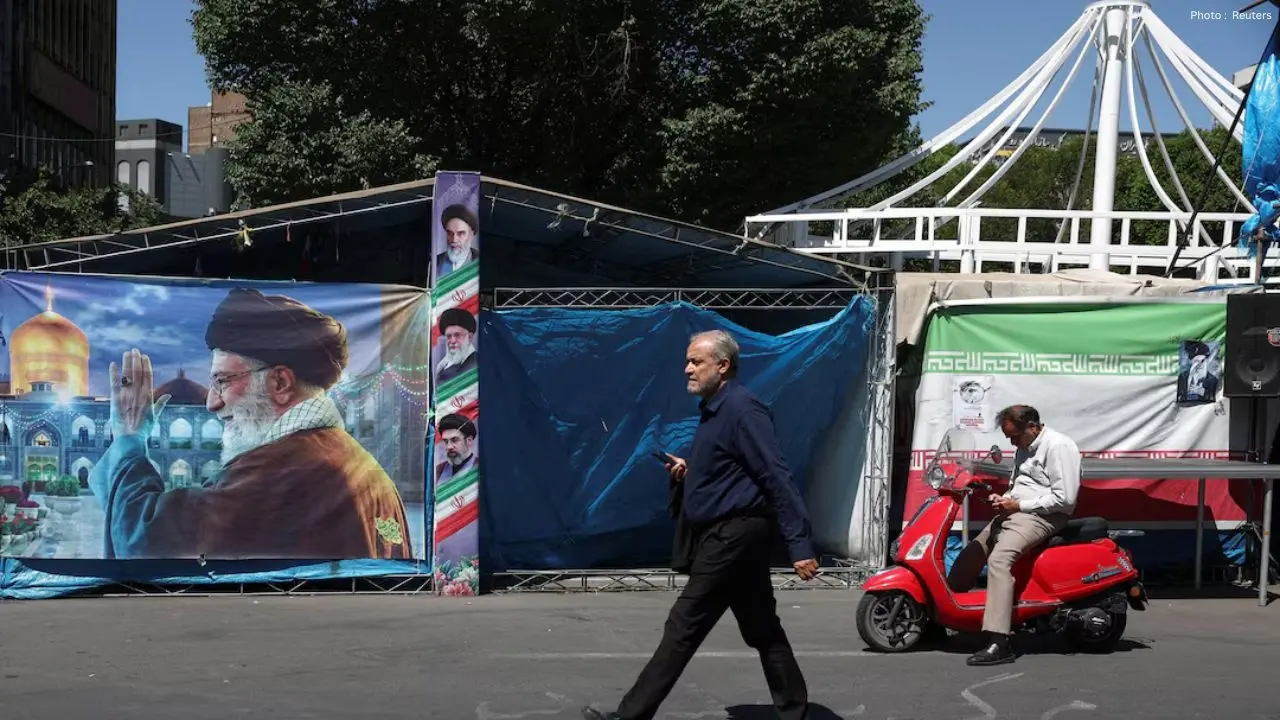
The nuclear issue has historically been one of the Middle East's most pressing geopolitical challenges. Western nations consistently express concerns over Iran’s enriched uranium capabilities, while Iran maintains that its nuclear ambitions are for peaceful civilian use.
Recent diplomatic discussions have sparked cautious optimism among international observers, who hope that these negotiations could diminish military tensions and enhance regional stability. Yet, repeated obstacles and political distrust complicate the pursuit of a durable solution.
Experts believe that Washington faces a tricky balancing act of fostering diplomatic dialogues while preparing for alternative courses of action if talks break down. American officials have reiterated that averting nuclear escalation remains a top priority.
The implications of these negotiations extend beyond diplomacy; they affect regional security alliances, global energy markets, and international relations. Gulf states, Israel, and various Western governments are keeping a keen eye on the developments, as the outcome could reshape geopolitical dynamics throughout the Middle East.
Economic considerations also weigh heavily on the discussions. Sanctions imposed on Iran in recent years have greatly impacted oil exports, banking operations, trade, and foreign investments. Consequently, any potential agreement could significantly influence global energy supply and market stability.
Failure to reach an agreement might escalate fears of renewed military confrontations or additional economic sanctions. Investors and energy markets are navigating cautiously, reacting to significant developments in the diplomatic landscape.
Rubio’s comments encapsulate a broader discourse unfolding within American politics, where differing opinions exist regarding the approach Washington should take with Tehran—some advocating continued diplomacy, while others push for intensified pressure and stricter sanctions enforcement.
Iranian negotiators, on their end, are adamant about securing guarantees related to sanctions relief and future compliance standards. Disputes over inspection protocols, enrichment limits, and long-term agreements have proven challenging for both parties.
The latest developments emerge in a time characterized by escalating geopolitical uncertainties in the Middle East, where various conflicts, security dilemmas, and strategic rivalries heavily factor into diplomatic considerations. Regional leaders are concentrated on preventing broader instability while safeguarding their national interests.
Security analysts contend that the outcome of these negotiations could profoundly affect military planning, alliance strategies, and diplomatic engagement regionally. A significant alteration in relations between Washington and Tehran could reshape extensive geopolitical strategies involving multiple nations.
International mediators continue to urge both camps to keep dialogue open despite the complexity of the talks. Many governments view sustained communication as crucial to preventing further escalation and maintaining regional stability.
While the prospects for a lasting agreement remain unclear, Rubio’s remarks signal that Washington is preparing for various possible scenarios as this pivotal diplomatic negotiation progresses.