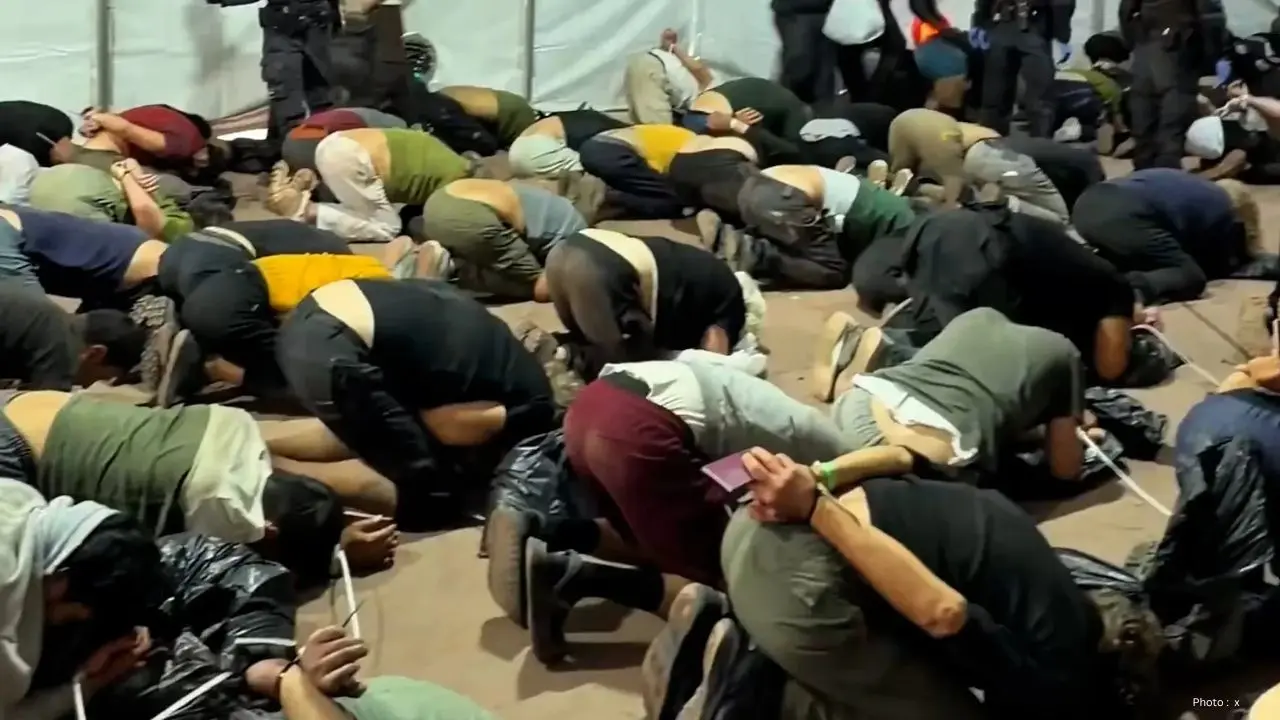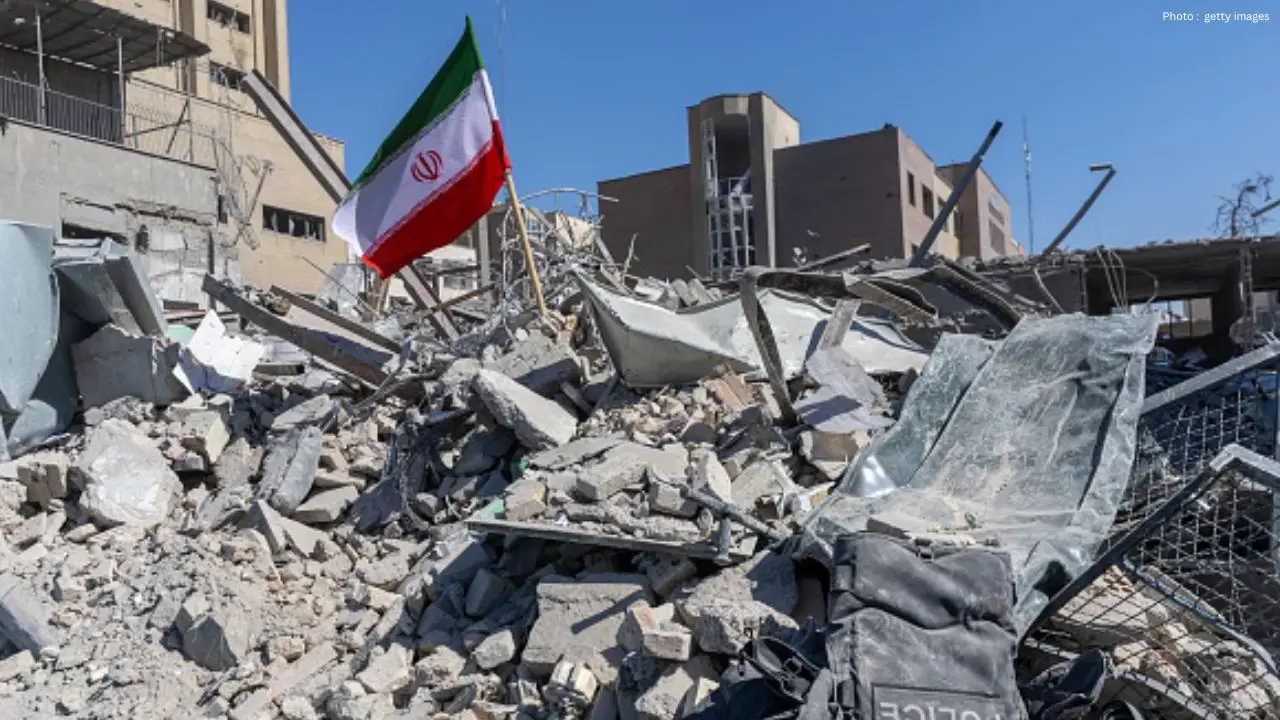
Bahrain's courts have sentenced nine individuals to life behind bars, charged with alleged collaboration with Iran's Islamic Revolutionary Guard Corps (IRGC). This verdict underscores the persistent security challenges between the Gulf nations and Tehran against a backdrop of growing regional instability.
During legal proceedings, the defendants faced accusations tied to foreign cooperation and breaches of national security. Bahraini officials noted that investigations revealed links of communication and collaboration with the IRGC, a sensitive topic throughout the Gulf.
The case has garnered significant political attention, highlighting ongoing frictions between Bahrain and Iran driven by accusations of regional manipulation, security operations, and political meddling. Tehran has consistently rejected claims of promoting destabilizing actions within Gulf states.
Authorities in Manama framed the ruling as part of efforts to safeguard national security and thwart external interventions, underlining the urgency of maintaining peace amid escalating geopolitical rivalries in the Middle East.
The IRGC is a crucial player in Iran's military strategy and often lies at the heart of regional security disputes. Several Western and Gulf nations have pointed accusations towards the organization for bolstering armed factions and extending political sway throughout the region.
In contrast, Iranian officials dismiss these accusations, arguing that foreign powers leverage security narratives to apply political pressure on Tehran. Hence, the latest sentencing could further strain already tense diplomatic relations within the region.
Observations from human rights organizations and analysts are expected, as security-oriented trials in the Gulf frequently attract noteworthy international scrutiny. Legal norms, political discord, and regional tension often become integral to larger global conversations on Middle Eastern security policies.
This recent verdict echoes broader unease among Gulf states regarding internal integrity and foreign entanglements. Many nations have reinforced security protocols lately, driven by fears of espionage, cyber threats, and potential conflicts spilling over from the region.
Tension-laden relations between Bahrain and Iran have cycled through multiple crises, particularly after diplomatic spats surrounding security and political instability. Bahrain typically aligns with Gulf allies on concerns about Tehran's military posture and regional interference.
Security experts assert that cases involving alleged foreign associations hold significant political weight as they impact diplomatic relationships, trust among neighbors, and policy-making within nations. Such incidents can also reshape wider conversations regarding defense collaborations among Gulf states.
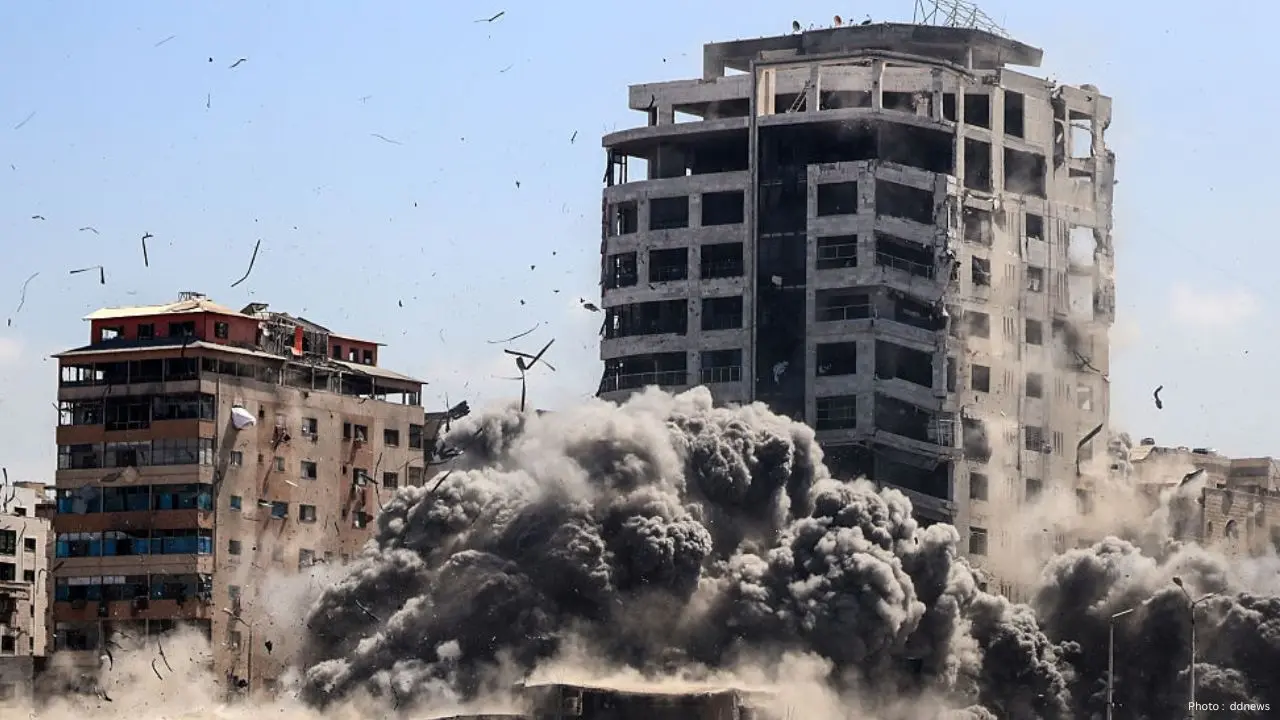
The sentencing unfolds amidst a backdrop of persistent uncertainty throughout the Middle East, where diplomatic talks, military strains, and geopolitical competition remain intricately woven. Governments in the region strive to balance security imperatives with endeavors to sustain economic viability and civic order.
Analysts suggest that this ruling may further obstruct efforts to ease tensions between Iran and several Gulf nations, especially as diplomatic dialogues persist regarding nuclear matters, regional dynamics, and maritime security.
Simultaneously, regional governments are concentrating on bolstering intelligence sharing, border control, and military collaboration in response to dynamic geopolitical circumstances. Hence, this case in Bahrain represents not merely a national legal matter but also a reflection of broader strategic frictions shaping contemporary Middle Eastern politics.