Ancient Temple Towns in South India Tourists Are Rediscovering
South India’s ancient temple towns are quietly witnessing a revival in tourist interest. Once visited mainly by pilgrims and history scholars, these towns are now attracting culture-focused travelers, slow tourists, and younger explorers who want experiences beyond crowded hill stations and beach destinations. Improved connectivity, growing interest in heritage travel, and a shift toward meaningful journeys have brought these sacred towns back into the spotlight.
Unlike modern tourist hubs, temple towns offer living history. Daily rituals, centuries-old architecture, traditional food, and slow-paced lifestyles remain deeply rooted in everyday life. For many travelers, this authenticity is exactly what makes these destinations special.
Why Temple Towns Are Gaining Popularity Again
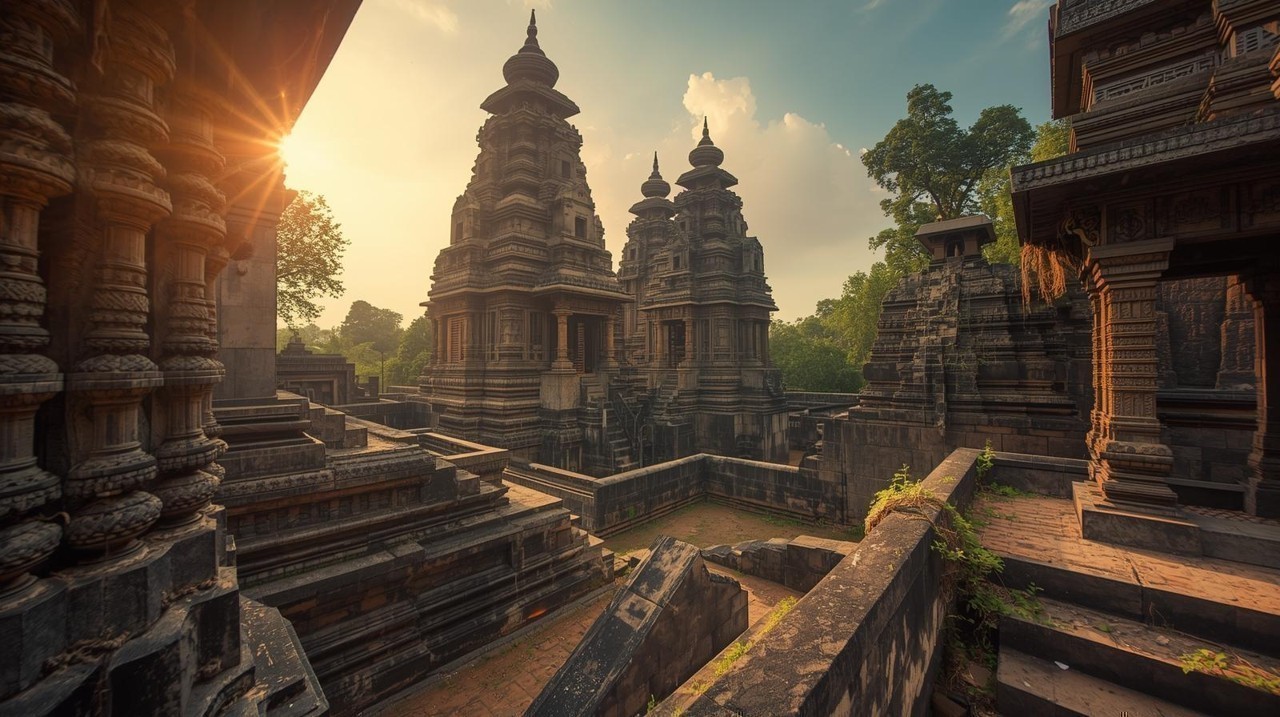
One major reason for renewed interest is the growing demand for cultural and spiritual tourism. Travelers today are not just looking for sightseeing but for places that tell stories. South Indian temple towns offer layered narratives of dynasties, art, astronomy, music, and philosophy, all preserved within functioning religious spaces.
Another factor is overtourism fatigue. As popular destinations become overcrowded and commercialized, tourists are actively seeking quieter locations where traditions are still intact. Temple towns provide this balance, offering depth without chaos.
Madurai: The Living Heritage of the South
Madurai remains one of the most rediscovered temple towns in recent years. Centered around the Meenakshi Amman Temple, the city is structured according to ancient urban planning principles. What fascinates modern tourists is not just the scale of the temple but how the city still revolves around it.
Visitors are drawn to early morning rituals, evening processions, and the bustling streets filled with flower sellers, textile shops, and traditional eateries. Madurai offers a rare experience where history is not preserved behind glass but actively lived every day.
Kanchipuram: The City of Thousand Temples
Often referred to as a city of learning and devotion, Kanchipuram is gaining attention among travelers interested in architecture and craftsmanship. The town is known for its ancient temples as well as its silk weaving tradition.
Tourists rediscovering Kanchipuram are especially interested in the contrast between massive stone temples and delicate handwoven sarees. The town’s calm atmosphere and proximity to major cities make it appealing for short cultural trips.
Thanjavur: Chola Grandeur Revisited
Thanjavur has seen a steady rise in heritage tourism, driven largely by interest in the Brihadeeswarar Temple, a UNESCO-recognized marvel of Chola architecture. Travelers are fascinated by the temple’s scale, engineering precision, and artistic detailing, all achieved over a thousand years ago.
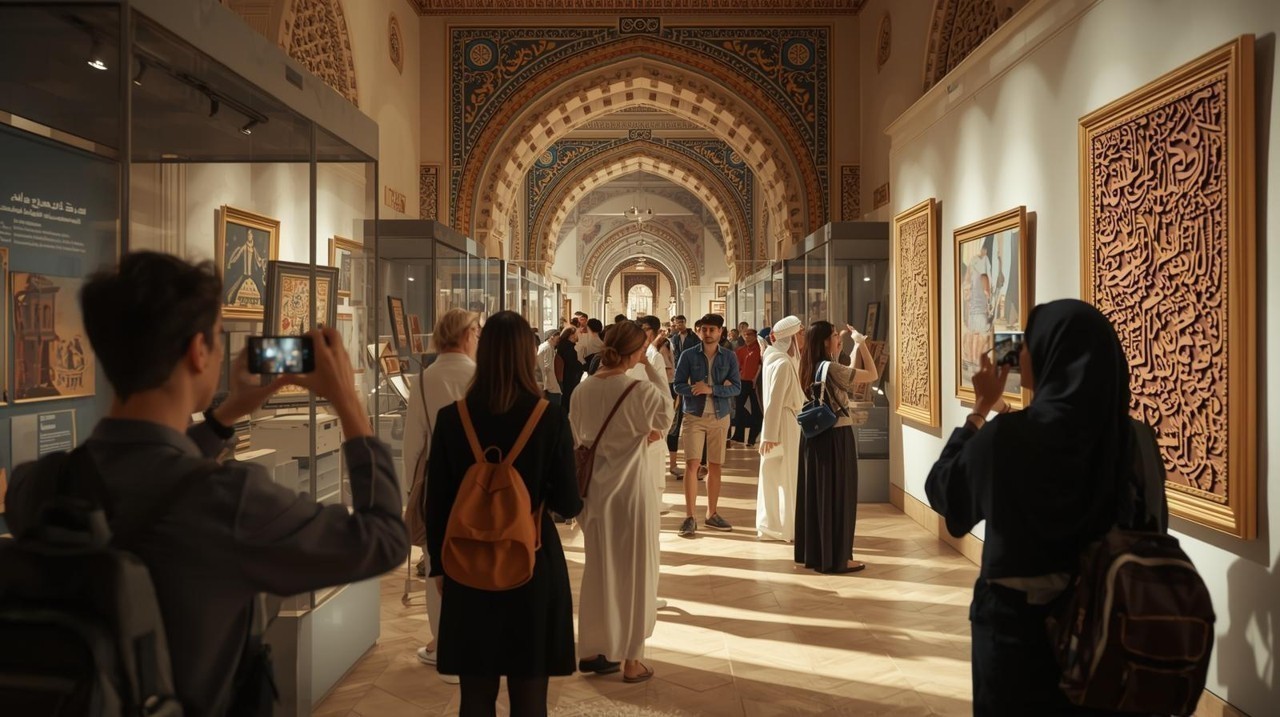
Beyond the main temple, tourists are rediscovering Thanjavur’s role as a center of classical music, dance, and art. Museums, libraries, and local workshops add depth to the experience, making the town more than a single-attraction destination.
Srirangam: The Spiritual Island Town
Srirangam stands out because of its unique geographical and spiritual layout. Built on an island between two rivers, the town is centered around one of the largest functioning temple complexes in the world.
Modern travelers are increasingly drawn to Srirangam for its structured layers of enclosures, each representing a stage of spiritual progression. Walking through the town feels like moving through history, philosophy, and daily life simultaneously. The slow pace and disciplined routine offer a contrast to modern urban living.
Chidambaram: Where Science and Spirituality Meet
Chidambaram has gained renewed interest among tourists intrigued by the intersection of science, philosophy, and symbolism. The Nataraja Temple, associated with cosmic dance and universal balance, appeals to travelers beyond religious boundaries.
Many visitors come not just to see the temple but to understand its deeper meanings related to space, movement, and energy. This intellectual and spiritual depth has made Chidambaram popular among culturally curious travelers.
Rameswaram: Pilgrimage Meets Coastal Calm
Rameswaram has long been a pilgrimage destination, but recent years have brought in travelers interested in its unique geography and atmosphere. The temple’s long corridors, ritual baths, and coastal setting create an experience that feels both sacred and serene.
Tourists rediscovering Rameswaram appreciate the town’s slower rhythm, early morning temple visits, and the quiet beauty of the surrounding seascape. Improved infrastructure has also made travel easier, contributing to its revival.
Sringeri: A Quiet Center of Learning
Unlike more crowded temple towns, Sringeri attracts travelers seeking peace and introspection. Set against a lush natural backdrop, the town is known for its spiritual institutions and calm environment.
Tourists rediscovering Sringeri are often those interested in meditation, philosophy, and nature. The town’s simplicity, disciplined lifestyle, and scenic surroundings appeal to visitors looking for mental rest rather than sightseeing lists.
What Modern Tourists Appreciate Most
Today’s travelers value experience over checklists. In temple towns, they appreciate early morning chants, traditional meals served on banana leaves, temple festivals, and conversations with locals. These experiences cannot be rushed, which aligns well with the growing slow-travel movement.
Photography, heritage walks, local guides, and cultural storytelling have also helped make these towns more accessible to younger audiences without diluting their essence.
Challenges of Rediscovery
While increased tourism brings economic benefits, it also raises concerns about overcrowding, commercialization, and cultural sensitivity. Responsible travel practices are becoming essential to ensure these towns retain their character.
Many travelers are now consciously choosing respectful behavior, appropriate dress, and mindful photography, helping maintain harmony between tourism and tradition.
The Growing Future of Temple Town Tourism
The rediscovery of South India’s temple towns reflects a broader shift in how people travel. These destinations offer something increasingly rare: continuity. Traditions remain unbroken, rituals unchanged, and communities deeply connected to their past.
As travelers continue to seek meaning, authenticity, and cultural depth, ancient temple towns are likely to remain relevant—not as trends, but as timeless destinations.
Disclaimer
Travel conditions, temple access rules, and local customs may vary by location and time. Visitors are advised to respect religious practices and confirm local guidelines before planning their visit.