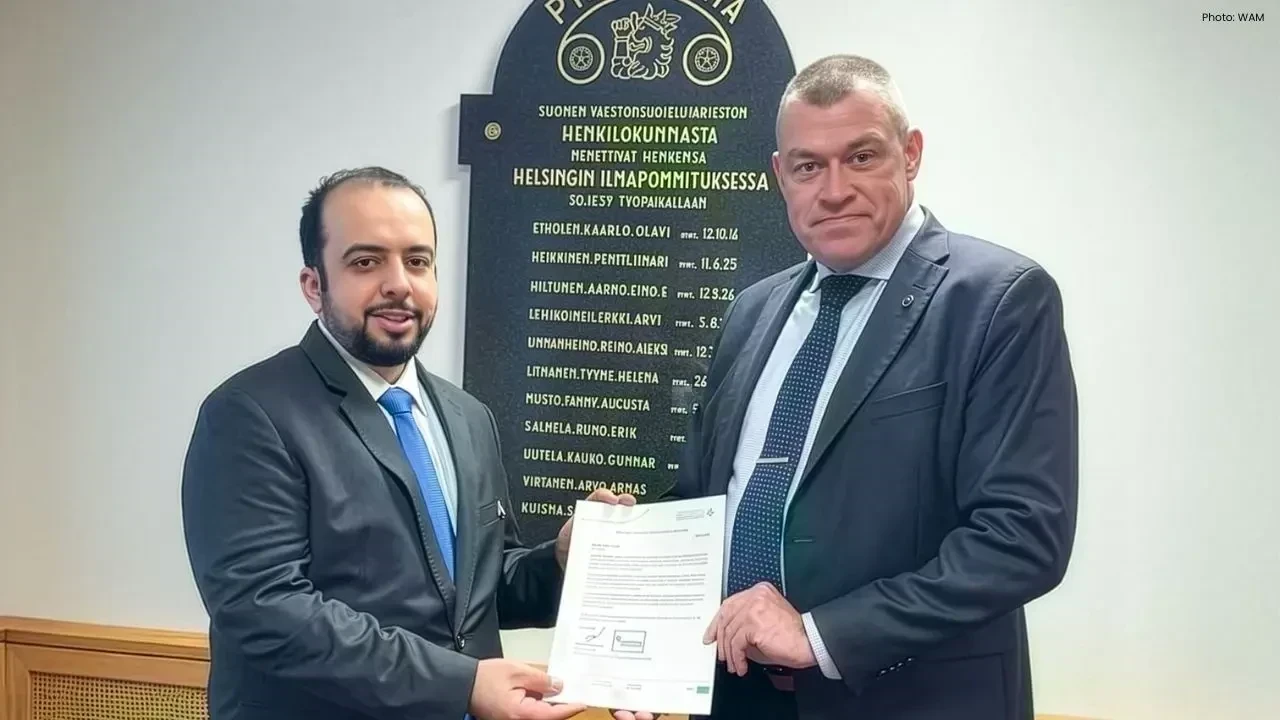
The Emergencies, Crises and Disasters Management Centre Abu Dhabi (ADCMC) recently sent a delegation to the Finnish National Rescue Association (SPEK) to explore Finland's cutting-edge emergency response systems. This collaboration was focused on knowledge exchange, strengthening ties, and identifying international best practices to bolster Abu Dhabi’s crisis management capabilities.
Dr. Abdulla Hamarain Al Dhaheri, the Executive Director of the Response and Recovery Sector at ADCMC, led the visit. The Abu Dhabi group shared their comprehensive strategy for addressing emergencies and showcased the coordinated framework used during significant incidents.
During this exchange, SPEK provided insights into Finland's methods for fostering community preparedness, institutional readiness, and advanced training. They also discussed the technologies and emergency tools utilized to maintain a state of readiness and highlighted critical concepts such as community volunteerism, civil preparedness, and the essential 72-hour readiness principle, which empowers families to independently manage for three days in emergencies.
Dr. Al Dhaheri expressed that the visit is in line with the Abu Dhabi Government's strategic vision to forge stronger global alliances in emergency management. He stressed that learning from successful international models enhances Abu Dhabi's ability to adapt to contemporary challenges effectively.
He indicated that ADCMC is devoted to constantly refining its operational techniques by studying international models, absorbing insights from global best practices, and applying sophisticated methods within the local emergency management framework. This includes fostering better community involvement, improving training protocols, and enhancing institutional capabilities.
According to Dr. Al Dhaheri, the insights gained from SPEK’s unique system—characterized by technological advancements and robust coordination—were invaluable. He remarked that Finland’s model is a testament to how a well-integrated emergency network can elevate response effectiveness.
He also highlighted Abu Dhabi's ambition to elevate its emergency framework by aligning with global standards, enhancing resilience, deploying smart response tools, and developing partnership initiatives that foster collaboration among emergency agencies. A key objective for ADCMC is to cultivate skilled local professionals who can enhance community safety and endorse long-term development.
The Finnish emergency management system made a significant impression on the Abu Dhabi delegates, notably due to its emphasis on inclusivity, public awareness, and seamless inter-agency communication. SPEK also illustrated the crucial role that emergency volunteers play in supporting official teams during major events.
The discussions wrapped up with a focus on future collaboration opportunities, including shared training programs, technological exchanges, and joint research efforts to strengthen preparedness. Both parties committed to ongoing collaboration aimed at building safer and more resilient communities.
Through initiatives like this, ADCMC is committed to enhancing its global partnerships and implementing the most effective emergency solutions available worldwide. The collaborative experience between Abu Dhabi and Finland is anticipated to significantly boost crisis response efficacy and contribute to a secure, prepared community.