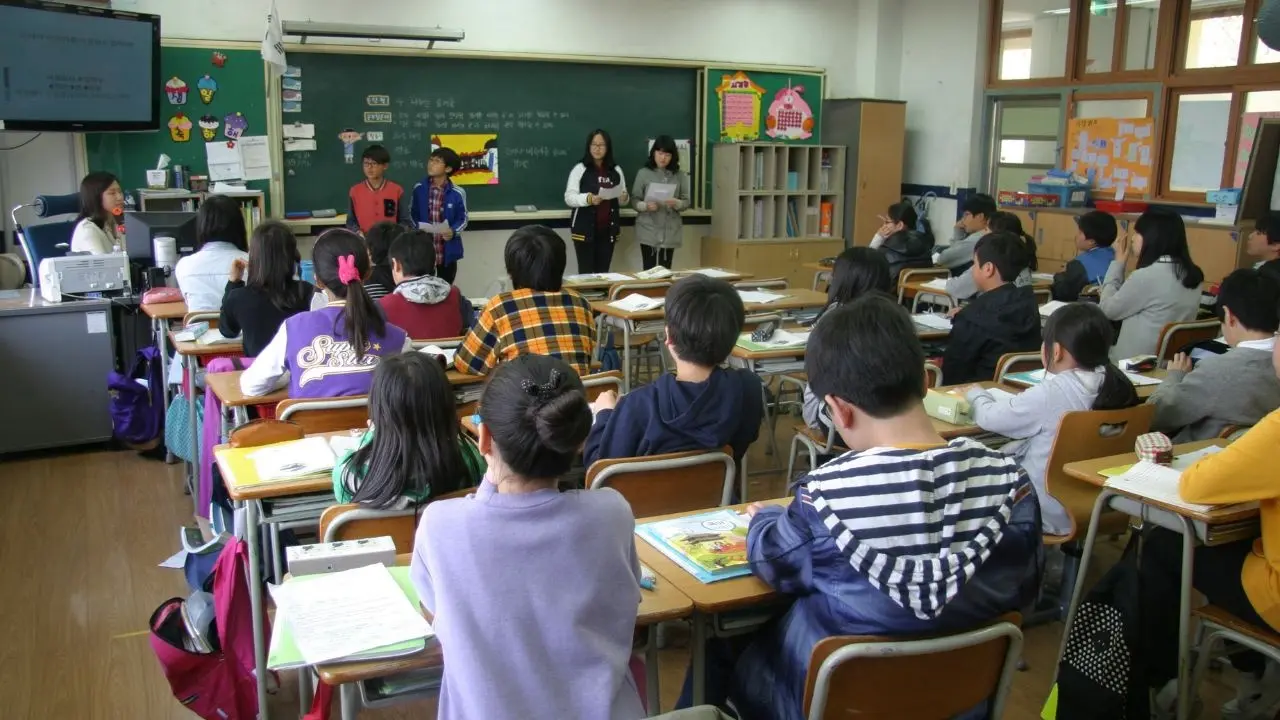
Canada has unveiled plans to significantly reduce the issuance of international study permits and temporary work permits for 2026, with Indian nationals bearing the brunt of the changes. The government aims to approve a total of 408,000 study permits, which comprises 155,000 for fresh applicants and 253,000 for current students seeking extensions. This marks a seven percent decline from the 437,000 permits issued in 2025 and a 16 percent drop compared to the 485,000 permits in 2024.
Under the Temporary Foreign Worker Program (TFWP) and International Mobility Program (IMP), there will be 230,000 new work permits available in 2026. This figure is projected to decline to 220,000 in the subsequent years of 2027 and 2028. Indian nationals have been notably impacted, comprising 20.8% of TFWP entrants, 29.2% of IMP participators, and 36.5% of international student admissions in 2024.
The Canadian government has indicated that these cuts are part of a wider strategy to lower the proportion of temporary residents to below five percent of the overall population by the close of 2027. The overall entries for temporary workers and students are set to decrease to 385,000 in 2026, followed by further reductions to 370,000 in the years 2027 and 2028.
The 2026 modifications will streamline regulations for higher education students, with Master's and PhD candidates at publicly designated learning institutions (DLIs) no longer required to submit provincial or territorial attestation letters (PAL/TAL) starting January 1, 2026. Other categories exempt from PAL/TAL include K-12 students, specific federal priority demographics, vulnerable groups, and current study permit holders applying for extensions at their current institutions.
These adjustments underscore Canada’s commitment to balancing temporary resident numbers while still providing opportunities for international students and skilled professionals who enhance the nation’s innovation and economic landscape.