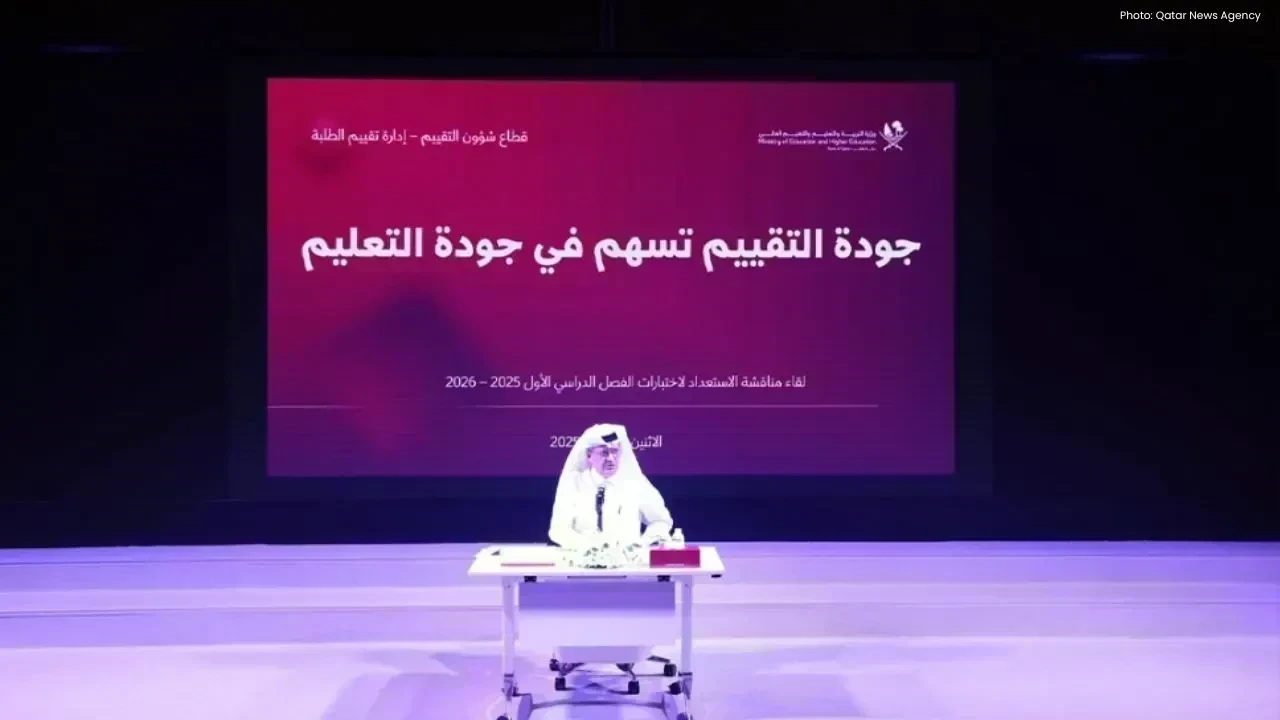
The Ministry of Education and Higher Education has officially confirmed its readiness to execute the end-of-semester exams for the academic year 2025-2026. This announcement emerged during a significant coordination meeting hosted by the Student Assessment Department, attended by principals from both public and private secondary schools adhering to national standards. The primary objective of the meeting was to ensure that every institution comprehends the procedures and is fully prepared for the forthcoming exams.
Ibrahim Abdullah Al Mohannadi, Director of the Student Assessment Department, delivered a comprehensive presentation during the meeting. He outlined the final preparations undertaken by the Ministry, the established exam timetable, and the crucial guidelines that schools must adhere to. He emphasized the necessity of following all directives to facilitate a seamless exam experience for students and educators alike. According to him, early preparation of exam venues, upholding discipline, and fostering a tranquil environment are vital to guaranteeing fairness across the board.
Additionally, he pointed out that this year’s exam processes consist of defined rules for elective subjects. These regulations encompass grading procedures, the correct methods to record scores, and the significance of adhering to the official timeline for submitting and approving grades. The Ministry aims to ensure that all institutions handle results transparently and systematically.
The meeting also addressed key regulations related to exam committees. It was underscored that invigilators are expected to act professionally and assist students without breaching any protocols. One significant topic discussed was the stringent prohibition on electronic devices. Mobile phones, smartwatches, earphones, or any gadget that may disrupt the exam atmosphere are banned. This regulation is intended to safeguard exam integrity and maintain a stable, secure assessment system. The Ministry believes regulating electronic use is crucial to preventing cheating and sustaining full exam clarity.
At the conclusion of the session, school leaders engaged in an open forum where they raised inquiries, expressed concerns, and sought clarifications regarding particular exam procedures. The Student Assessment Department took the time to address every query and reassured schools of ongoing support throughout the examination period. The focus is on enabling every institution to run the exams smoothly while adhering to the Ministry’s high educational standards.
The Ministry conveyed a strong message of commitment: ensuring that all institutions are adequately prepared, that students experience a fair testing environment, and that the examination process operates seamlessly. By offering robust guidelines, consistent communication, and detailed instructions, the Ministry is determined to orchestrate a well-structured examination season that serves the interests of every student. The entire exam strategy encapsulates the Ministry’s commitment to educational quality, efficient organization, and ongoing enhancement of assessment methods.
With thorough collaboration between the Ministry and educational institutions, alongside students being guided by clear and updated rules, the upcoming exams are anticipated to unfold efficiently and professionally. This preparation highlights the Ministry’s dedication to establishing a dependable education system tailored to support student achievement.