Eating healthy is a goal many people strive for, but sometimes, despite best intentions, they fall into traps that can sabotage their nutrition and overall well-being. Knowing the healthy diet mistakes to avoid for better nutrition can make a huge difference in achieving your health goals and feeling your best every day.
Whether you're trying to lose weight, boost energy, or just eat more balanced meals, it’s important to recognize common errors that can undermine your efforts. Let’s explore some of these mistakes and how to fix them, so you can fuel your body the right way.
Skipping Meals or Relying on Crash Diets
One of the most frequent healthy diet mistakes to avoid for better nutrition is skipping meals, especially breakfast. Many believe cutting calories drastically or fasting for long periods will speed up weight loss, but this often backfires.
Skipping meals can slow metabolism, increase cravings, and lead to overeating later in the day. Crash diets may promise rapid results but often lack essential nutrients, leading to fatigue, mood swings, and nutrient deficiencies.
Fix it:
Aim for regular, balanced meals throughout the day. Include a mix of protein, healthy fats, and complex carbohydrates to keep your energy steady and hunger at bay.
Overemphasizing “Healthy” Processed Foods
Just because a product is labeled “low-fat,” “gluten-free,” or “organic” doesn’t automatically mean it’s healthy. Processed foods can still be high in sugar, sodium, and artificial ingredients.
This is a subtle but critical mistake many make when trying to eat better.
Fix it:
Focus on whole, minimally processed foods like vegetables, fruits, whole grains, nuts, seeds, and lean proteins. Reading nutrition labels carefully helps avoid hidden sugars and additives.
Ignoring Portion Sizes
Even healthy foods can contribute to weight gain or digestive discomfort if eaten in large quantities. Portion control is a key part of maintaining balanced nutrition, yet many people overlook this aspect.
Fix it:
Use smaller plates, practice mindful eating by paying attention to hunger and fullness cues, and learn recommended portion sizes for different food groups.
Not Drinking Enough Water
Hydration is essential for digestion, metabolism, and overall health. Neglecting water intake is one of the lesser-discussed but significant healthy diet mistakes to avoid for better nutrition.
Sometimes people mistake thirst for hunger, leading to unnecessary snacking.
Fix it:
Drink at least 8 glasses (about 2 liters) of water daily, more if you exercise or live in a hot climate. Carry a reusable water bottle to stay hydrated on the go.
Relying Too Much on Supplements
While vitamins and supplements can support nutrition, they aren’t substitutes for a healthy diet. Relying on pills instead of real food can cause imbalances and may leave you missing out on important fiber and antioxidants.
Fix it:
Use supplements to fill gaps only after consulting a healthcare professional. Prioritize a diverse diet rich in natural sources of nutrients.
Cutting Out Entire Food Groups Without Need
Eliminating whole food groups without medical reasons—like carbs or fats—can lead to nutrient deficiencies and disrupt energy balance. For instance, cutting all carbs can leave you low on fiber and B vitamins.
Fix it:
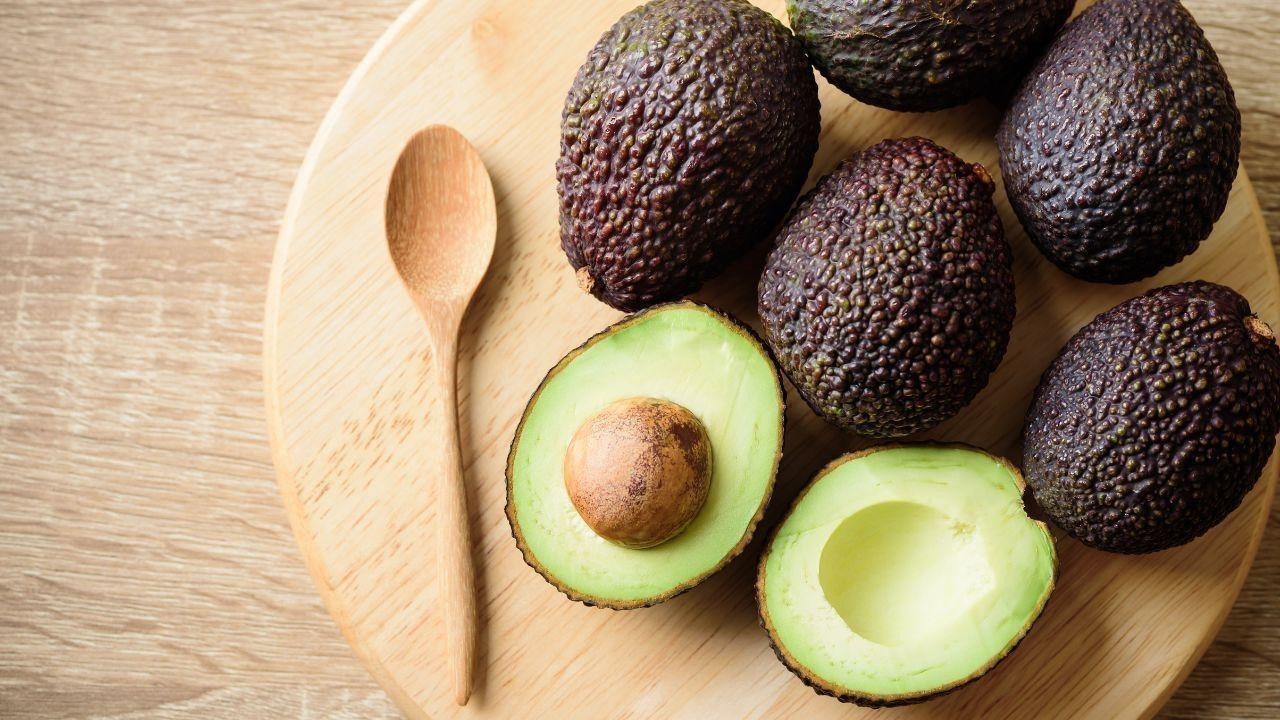
Adopt a balanced approach that includes a variety of foods. Choose healthy fats (avocado, nuts, olive oil) and complex carbs (whole grains, legumes) instead of cutting them out entirely.
Falling for Fad Diets and Trends
From juice cleanses to keto and intermittent fasting, fad diets often promise quick results but may lack long-term sustainability and balanced nutrition.
Jumping from one trend to another can confuse your body and lead to inconsistent results.
Fix it:
Focus on sustainable, evidence-based nutrition plans that you can maintain long-term. Incorporate flexibility and variety to keep meals enjoyable.
Not Planning Meals Ahead
Without a meal plan or preparation, it’s easy to resort to convenient but unhealthy options like fast food or snacks high in sugar and unhealthy fats.
This often leads to unintentional overeating or missing nutrients.
Fix it:
Plan your meals weekly and prep ingredients in advance. Having healthy snacks on hand like nuts, yogurt, or cut veggies can help you stay on track.
Neglecting Mindful Eating
Eating while distracted by screens or multitasking often results in overeating and reduced satisfac tion with your meals.
Mindless eating is a common but overlooked mistake impacting digestion and weight management.
Fix it:
Practice mindful eating by focusing on your food, chewing slowly, and savoring flavors. This helps you recognize fullness cues and enjoy your meals more.
Disclaimer:
The information provided in this article is for educational purposes only and is not intended to replace professional medical advice. Always consult a registered dietitian, nutritionist, or healthcare provider before making significant changes to your diet or if you have any health concerns.