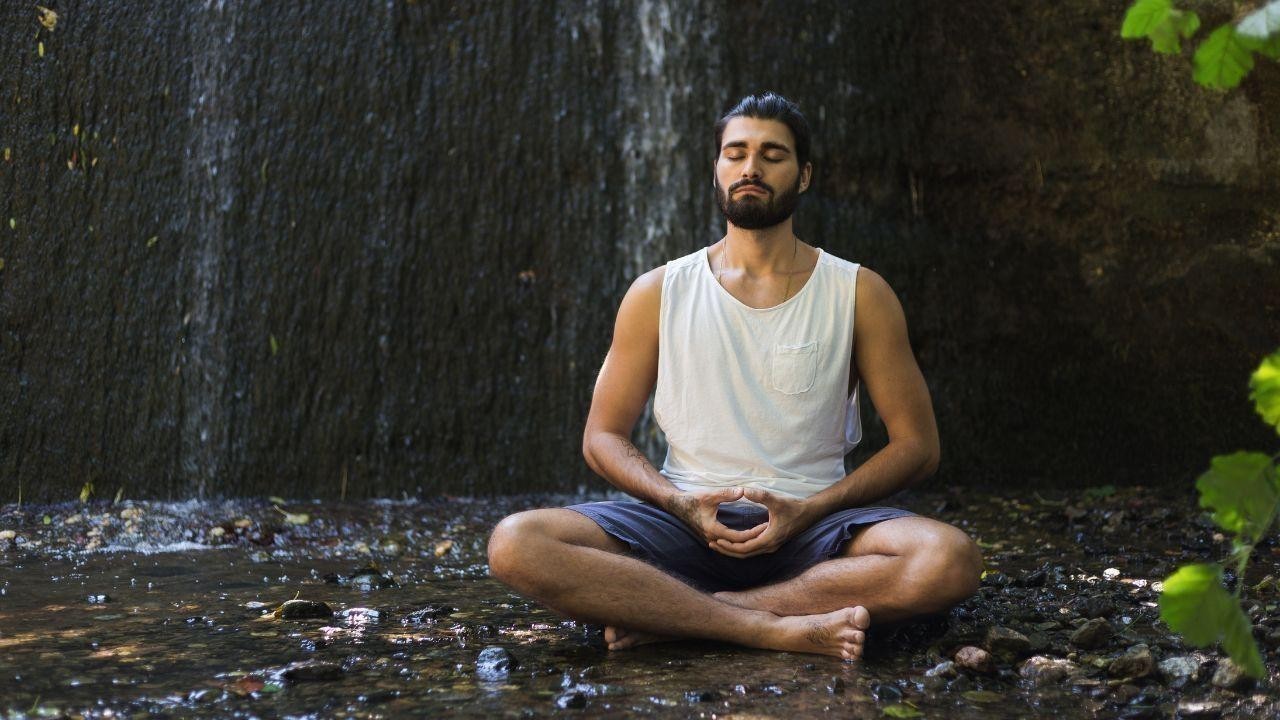
Starting a meditation practice can feel intimidating at first. Many people imagine long, silent sessions that require perfect stillness and hours of free time. But the truth is, meditation doesn’t have to be complicated or time-consuming to be effective. In fact, The Easiest Way to Build a Daily Meditation Habit is to start small, be consistent, and approach it with kindness toward yourself. Whether you’re a complete beginner or someone who’s tried and struggled before, this guide will show you how to create a meditation routine that feels natural, doable, and sustainable.
Why Building a Daily Meditation Habit Matters
Meditation is more than just a relaxation technique; it’s a powerful tool for mental clarity, emotional balance, and overall well-being. Studies consistently show that regular meditation reduces stress, enhances focus, improves sleep quality, and can even boost creativity. But all these benefits only come when meditation becomes a regular part of your life. That’s why building a daily habit matters — it’s the foundation for long-term change.
However, many people fail to stick with meditation because they try to do too much too soon. They set unrealistic goals, get frustrated, and quit after a few days. This is exactly why The Easiest Way to Build a Daily Meditation Habit focuses on simplicity and consistency over perfection or length of time.
Start Small and Simple
One of the best ways to make meditation stick is by starting with just a few minutes a day. You don’t need to meditate for 30 or 60 minutes to see benefits. Even two or three minutes of focused breathing or mindfulness can begin to change how you feel. The key is to pick a time and place where you can meditate regularly without distractions.
For example, try meditating right after you wake up or just before bed. These moments are naturally quieter and help bookend your day with calm. If mornings or nights are busy, try a break during lunch or a few minutes while waiting for your coffee to brew. The goal is to build a consistent routine by making meditation a non-negotiable part of your day.
Use Guided Meditations or Apps
If silence feels overwhelming, guided meditations are a fantastic way to stay engaged and focused. There are many free and paid meditation apps like Headspace, Calm, Insight Timer, or simple YouTube videos that offer guided sessions tailored for beginners. These guides often include soothing voices, breathing instructions, and visualization techniques that make meditation easier and more enjoyable.
Using an app or a guided meditation also adds structure to your practice, making it less likely that your mind will wander. Many apps offer daily reminders and streak tracking, which can motivate you to keep your new habit alive.
Create a Dedicated Meditation Space
Your environment plays a big role in supporting a daily habit. Creating a dedicated spot for meditation—even if it’s just a small corner with a cushion or chair—can help signal your brain that it’s time to relax and focus. Add elements that make the space inviting like candles, plants, or calming scents. When your meditation spot feels special, you’re more likely to look forward to your practice.
If space is limited, even a simple change like sitting by a window or lighting a particular candle during meditation can serve as a powerful cue to start your session.
Be Patient and Kind to Yourself
One of the biggest mistakes beginners make is expecting instant results. Meditation is a skill that develops over time, and it’s normal for your mind to wander or for some days to feel harder than others. The most important thing is to return gently to your practice without judgment.
Instead of worrying about “doing it right,” focus on showing up each day, no matter how short or imperfect the session may be. This mindset shift is a crucial part of The Easiest Way to Build a Daily Meditation Habit — turning meditation from a chore into a loving ritual.
Track Your Progress and Celebrate Small Wins
Keeping track of your meditation sessions can motivate you to stay consistent. You might use a journal, a calendar, or the built-in features in meditation apps to mark each day you meditate. Celebrate your commitment, no matter how small it feels.
Recognizing your progress reinforces the habit loop and makes it easier to stick with meditation through busy or stressful times.
Integrate Mindfulness into Daily Activities
If setting aside dedicated meditation time feels tough, try weaving mindfulness into your existing routines. This means paying full attention to whatever you’re doing—whether it’s washing dishes, walking, or eating—without letting your mind drift to distractions.
Practicing mindfulness throughout the day complements your formal meditation practice and deepens your ability to stay present in all areas of life.
Disclaimer:
This article is intended for informational and educational purposes only. It is not a substitute for professional medical advice, diagnosis, or treatment. Please consult a healthcare professional before starting any new meditation or wellness practice, especially if you have existing health conditions.