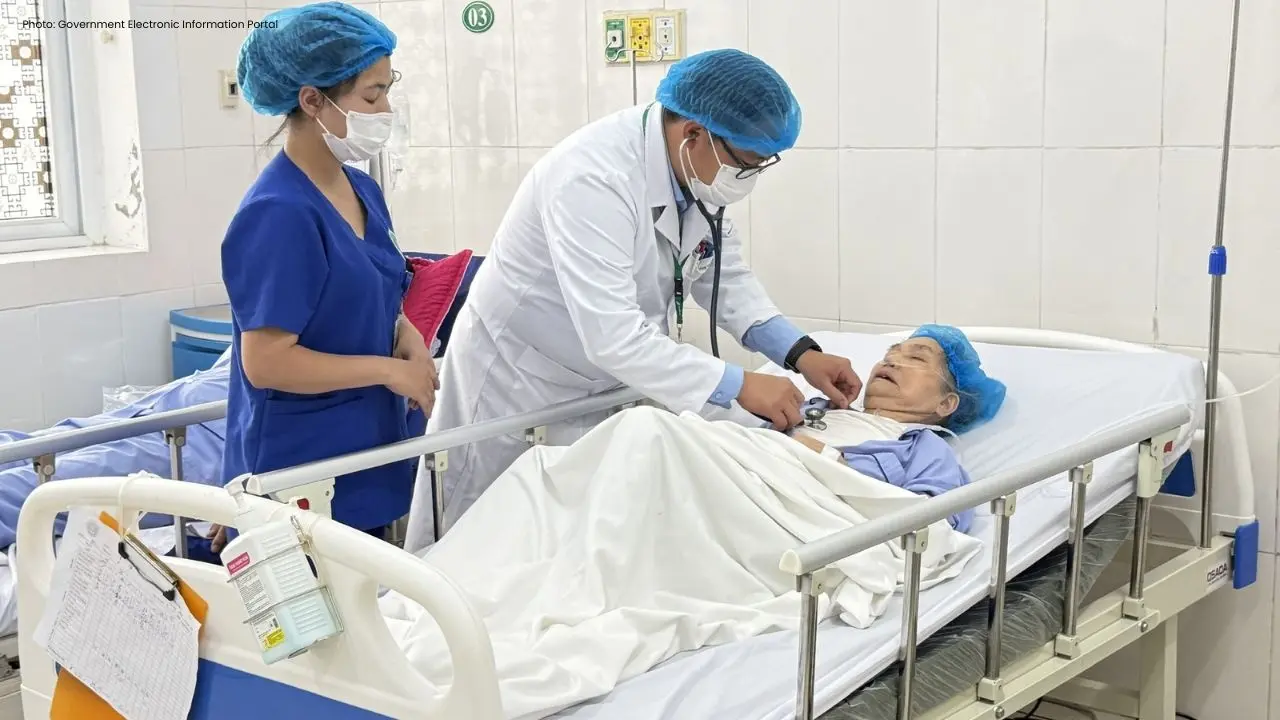
In Malaysia's Sabah state, a significant shortage of healthcare professionals is leading to alarming concerns regarding medical services' availability and standard. Current statistics indicate that Sabah is short of more than 4,500 doctors to meet national healthcare requirements.
In a recent address in Kota Kinabalu, officials disclosed that the state houses around 3,431 government doctors alongside 1,397 private practitioners. This translates to a concerning doctor-to-population ratio of 1:775, drastically lower than the national objective of 1:400.
According to government estimates, Sabah urgently needs upwards of 9,300 doctors to satisfy its healthcare demands. The strain on existing medical personnel has intensified, particularly in remote regions where healthcare access is severely restricted.
A pressing issue is the limited availability of specialists in hospitals statewide. Current figures reveal a shortage of qualified experts in vital areas such as surgery and cardiology, hindering the provision of sophisticated healthcare to patients.
In response, authorities are incentivizing doctors to engage in specialist training, alongside offering financial benefits and enhanced educational opportunities to draw more medical professionals to Sabah and neighboring areas.
Additionally, there is a push to bolster healthcare infrastructure. Plans include transforming Queen Elizabeth II Hospital into a specialized cardiac center and establishing a new blood center projected to be operational by 2029.
Projects are underway to enhance hospital capacity and service quality. These upgrades involve converting Duchess of Kent Hospital into a comprehensive state hospital with increased bed availability, new facilities, and expanded specialist offerings.
Officials are optimistic that these initiatives will alleviate patient burdens and enhance overall service delivery. Despite prevailing challenges, government healthcare facilities continue to provide significant subsidies, covering up to 98 percent of patient costs.
This scenario underlines an urgent demand for enduring strategies aimed at fortifying Sabah’s healthcare framework. Ameliorating workforce deficiencies along with addressing infrastructural inadequacies is crucial for fostering improved healthcare access and outcomes for the populace.