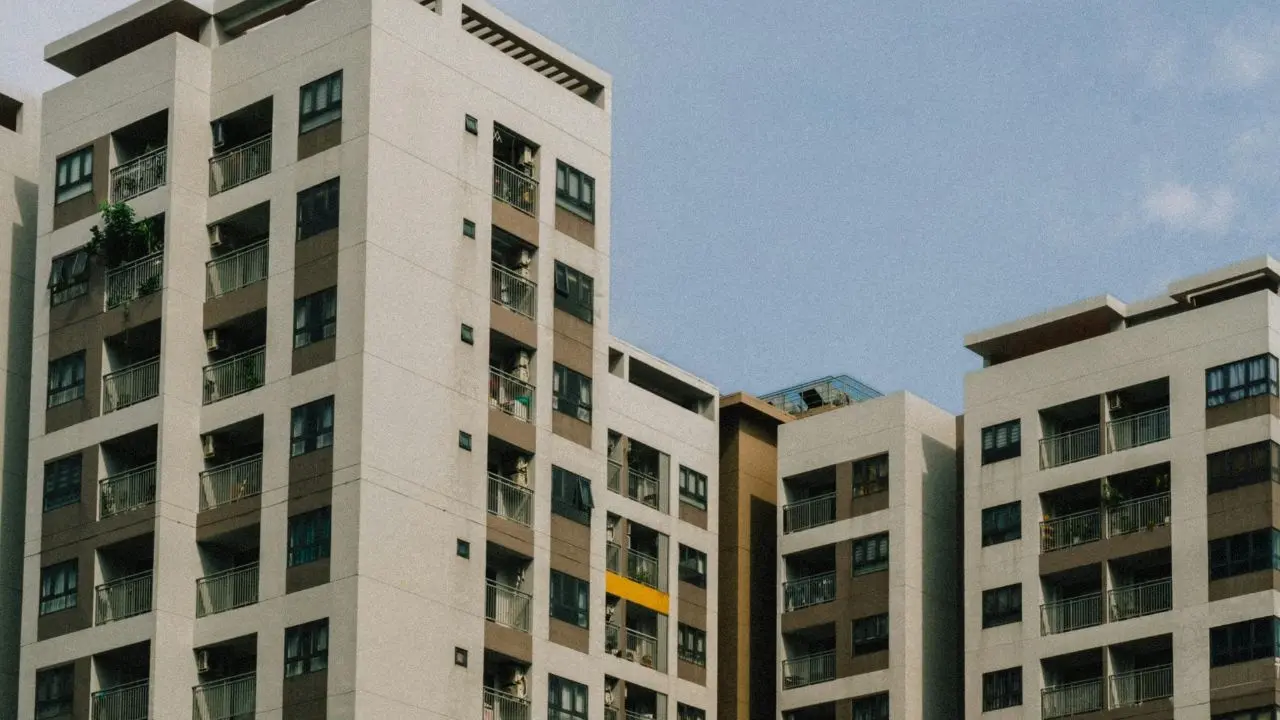
The Thai government is expediting its “National Housing for Thais” project, aiming to enhance living standards, foster affordable housing, and encourage sustainable urban growth nationwide. Officials emphasize that the initiative allows individuals from varying income levels access to safe, modern, and cost-effective homes, ultimately elevating overall quality of life.
Lt. Col. Dr. Patthadarasmi Thongslueykorn, Deputy Spokesperson for the Prime Minister’s Office, announced that the Ministry of Social Development and Human Security is at the forefront of this policy, in conjunction with the National Housing Authority. The focus remains on cultivating inclusive communities through the “Housing for All” concept, ensuring affordability and eco-friendliness in housing.
The government anticipates developing over 20,000 new housing units by 2026, leveraging various purchase and rental schemes. Options include direct acquisitions, rental agreements, and long-term lease options. To alleviate financial burdens, authorities will provide rental discounts and promotional campaigns for move-in-ready homes across more than 60 projects nationwide, with potential discounts reaching 20% and repayment terms extending for up to 40 years.
In response to a swiftly aging population, Thailand is also increasing elderly-friendly housing developments in Bang Lamung and Rom Klao, with around 3,000 units designated for seniors under Universal Design principles. These projects aim to foster safer and more convenient living environments for older citizens by ensuring housing layouts, communal areas, and facilities facilitate independent and comfortable lifestyles.
Concurrent with these initiatives, the government is advancing significant urban redevelopment efforts in Bangkok and nearby locales. Upgrades to the Din Daeng community are underway, while similar improvements will extend to areas like Huai Khwang, Ramintra, Thung Song Hong, and Bon Kai. Officials assert that these upgrades will enhance living standards, broaden housing accessibility, and bolster urban infrastructure for future growth.
The National Housing Authority is also committed to environmental sustainability and clean energy method integration. Solar rooftop systems are being incorporated into public and affordable housing projects to help minimize long-term energy costs and promote renewable energy use. Additionally, the establishment of “PM 2.5-free rooms” is in progress to safeguard vulnerable populations from severe air pollution.
Officials assert that this nationwide housing strategy goes beyond shelter provision; it aims to cultivate healthier, safer, and more sustainable communities. The government believes that merging affordable housing, clean energy solutions, elderly-friendly designs, and urban modernization will serve to bolster economic stability and enhance quality of life for Thai citizens.