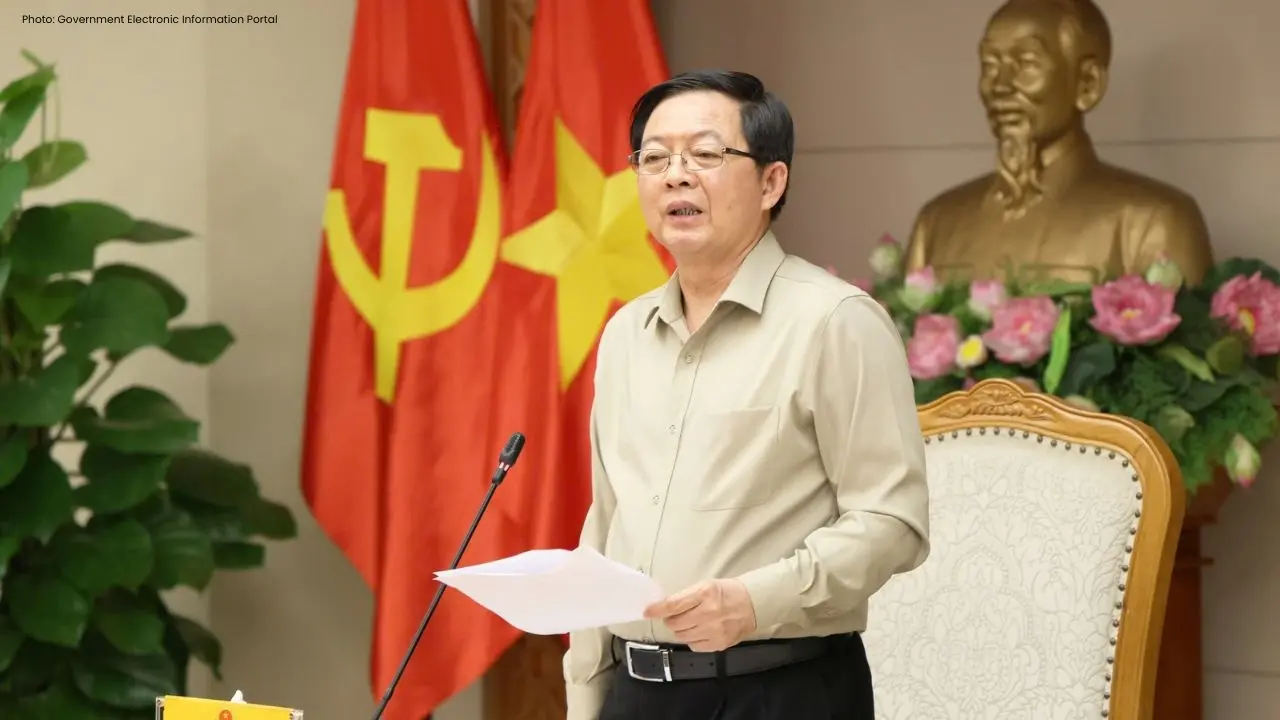
The Vietnamese government has mandated a heightened pace of administrative reforms, instructing ministries and local authorities to ensure that the transition does not disrupt citizens and businesses alike.
In a directive signed by Deputy Prime Minister Pham Thi Thanh Tra, the focus is on cutting down and simplifying administrative processes, business registration norms, and investment prerequisites across various sectors. This initiative seeks to bolster efficiency while fostering economic development and enhancing public services.
Several existing resolutions are already in place aimed at minimizing bureaucratic red tape, decentralizing administrative authority, and refining business and investment regulations. These reforms are integral to Vietnam's long-term economic strategy and aspirations for robust economic growth.
Acknowledgments were given to key ministries, including the Ministry of Justice and the Ministry of Finance, for their roles in facilitating reform efforts and addressing barriers for both businesses and the public.
Under this new directive, collaboration between ministries and local governments is crucial to ensure the uninterrupted flow of administrative systems throughout the transition. Agencies are tasked with making simplified procedures and regulations publicly available on schedule.
The government strongly encourages local administrations to swiftly implement decentralized protocols and offer the necessary training and technical backing for local officials. Furthermore, ministries must finalize updates to their administrative systems by June 10, 2026.
Vietnam cautions against the introduction of unnecessary bureaucratic hurdles or new processes that might elevate compliance costs for enterprises and citizens. It’s imperative for reforms to be practical and supportive of the business environment.
Additionally, the directive emphasizes the urgent resolution of concerns raised by businesses and the public during the reform process. Ministries and local authorities are directed to swiftly manage issues within their remit and escalate more significant matters accordingly.
The Ministry of Justice will independently assess the nationwide execution of these administrative reforms. Starting July 2026, the government also plans to introduce a pilot system to evaluate and score the performance of ministries and localities, fostering accountability in the reform process.