Climate change is no longer a distant issue. It is already affecting the way we live, the food we eat, and the air we breathe. Rising temperatures, floods, and other natural changes caused by climate change are putting global food security at risk. Experts warn that in the coming decades, many food crops and livestock may disappear if immediate action is not taken.
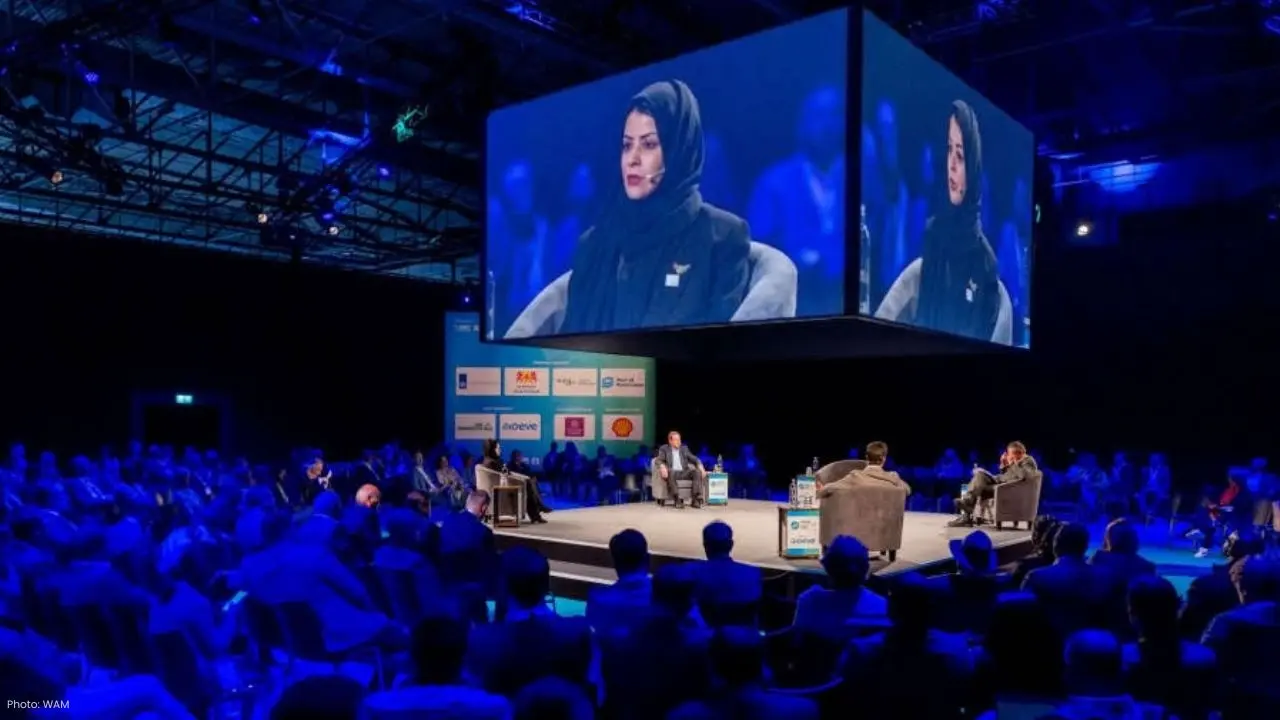
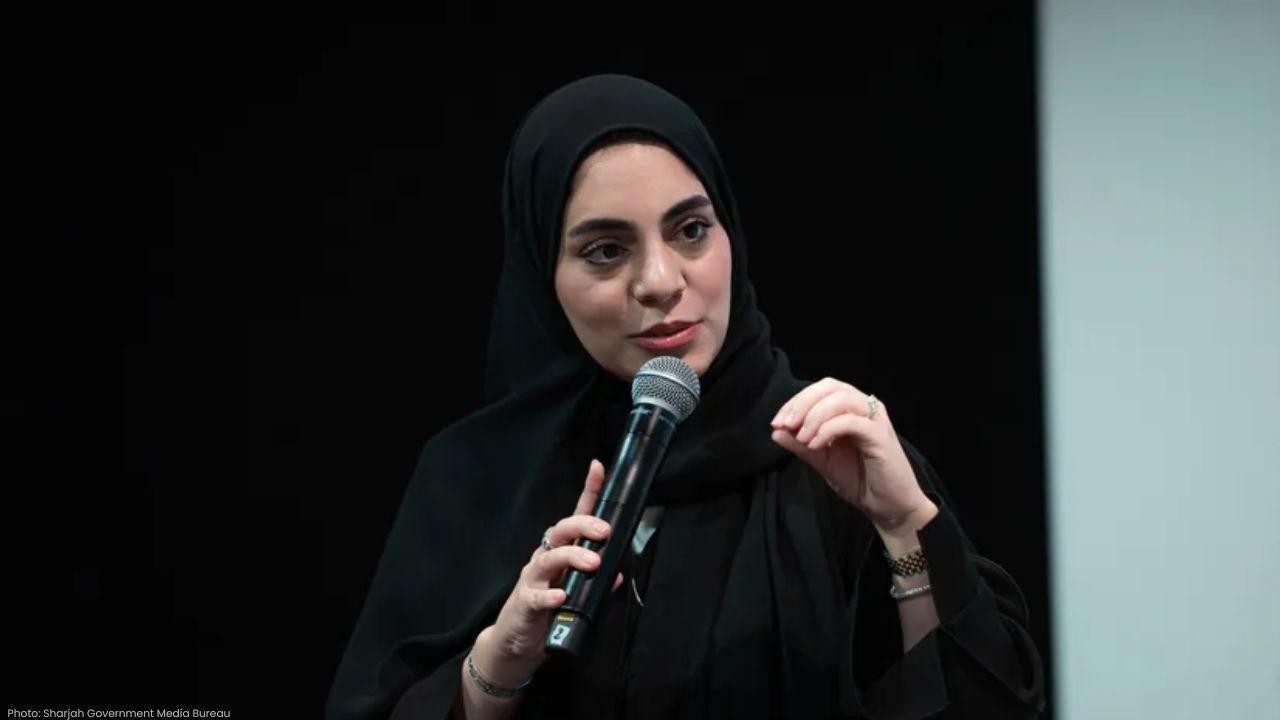
At the 14th International Government Communication Forum (IGCF), held in Sharjah, Athari Al Serkal, a member of the Arab Youth Council for Climate Change, spoke about this challenge. She explained that while resources and tools are available, the real challenge lies in people’s reluctance to step forward and get involved.
The session, titled “How Can Youth Build a Sustainable Food System?”, was part of the second day of the forum. It was moderated by media personality Hazza Al Shehhi from the Sharjah Broadcasting Authority and supported by Al Marwan Group.
Stay informed with the latest news. Follow DXB News Network on WhatsApp Channel
Climate Change and Its Impact on Food Security
Athari Al Serkal explained that climate change and food security are closely connected. When temperatures rise, when floods damage lands, or when droughts dry up water sources, agriculture suffers the most. Crops fail, animals struggle to survive, and farmers lose their livelihood. This does not just hurt individual farmers but also threatens the availability of food for entire nations.
She warned that if such patterns continue, the world could lose access to some important food groups in the future. That means everyday foods we take for granted might become rare or even vanish.
The Role of Families in Building Awareness
One of the key points Al Serkal highlighted was the importance of raising awareness within families. She said that families are the first place where children learn values, habits, and awareness about the environment. If children are taught at home about saving water, avoiding food waste, and respecting natural resources, they grow up with a sense of responsibility toward their surroundings.
But the responsibility does not stop at families. Society, schools, and policymakers must work together to ensure food security. Everyone—from a child in school to a government leader—has a role in protecting food systems and making sure healthy food is available for future generations.
From Traditional Knowledge to Digital Innovation
Al Serkal explained that past generations were very close to the land. They learned how to farm by being directly involved in agriculture. They knew how the soil responded, when the crops needed water, and how to manage resources. This knowledge formed the foundation of farming.
Today’s generation, however, has something more powerful—technology. The digital revolution has brought advanced tools such as artificial intelligence (AI), sensors, and data analysis systems. These tools allow farmers to understand the needs of the soil, measure the right amount of water, and even predict the health of crops. For example, a sensor can tell when the soil is dry, and AI can suggest the best time for irrigation. This combination of traditional wisdom and modern technology can help build strong and sustainable food systems.
Youth Engagement: Breaking the Barriers
According to Al Serkal, the biggest challenge for youth is not the lack of resources, but the fear of getting involved. Many young people think that climate change and food security are complicated topics that only experts can handle. This fear creates what she called “imaginary barriers.” As a result, young people hesitate to invest their energy and ideas in this field.
But the truth, she explained, is very different. Today’s youth have access to the tools, opportunities, and platforms to create real change. The only thing missing is the willingness to act.
Efforts of the Arab Youth Council for Climate Change
Al Serkal also spoke about the work of the Arab Youth Council for Climate Change, which has launched several initiatives across the UAE and the region. These initiatives aim to empower young people, give them a platform to share their ideas, and include them in important discussions on climate and food security.
She added that the UAE has been successful in bridging the gap between youth and these global issues. Today, Emirati youth are not just part of local conversations but are also representing their nation in international forums. Their voices are being heard, and they are helping to design solutions for the future.
Small Steps Lead to Big Change
In her conclusion, Al Serkal reminded everyone that sustainability starts with daily habits. It does not have to be something big or complex. For example:
-
Saving water while using taps and showers.
-
Avoiding food waste by only cooking or buying what is needed.
-
Promoting home gardening, even if it is just planting herbs in a small pot.
These small steps may seem simple, but when practiced by many people, they bring real change. More importantly, they build a culture of responsibility where individuals feel connected to their environment and future.
The Bigger Picture
The message from the session was clear: climate change is a global crisis, but it also presents opportunities. With the right awareness, tools, and courage, today’s youth can create food systems that are sustainable, innovative, and capable of feeding generations to come.
As Athari Al Serkal stressed, the tools are already here. The only question is whether young people will take the first step.
The session at IGCF was more than just a talk. It was a call to action for the youth. Climate change is not waiting, and food security is at risk. But with family awareness, digital technology, and youth leadership, there is hope for a future where food is safe, secure, and sustainable.
The challenge lies not in resources, but in overcoming fear and hesitation. If youth can break these barriers, they have the power to lead the way toward a healthier, more secure world.