Former Italian Prime Minister Mario Draghi has called for a temporary pause on the European Union’s rules for artificial intelligence (AI) to better study their potential drawbacks. He made these remarks during a conference reviewing the European Commission’s progress in implementing the recommendations of his 2024 landmark report.
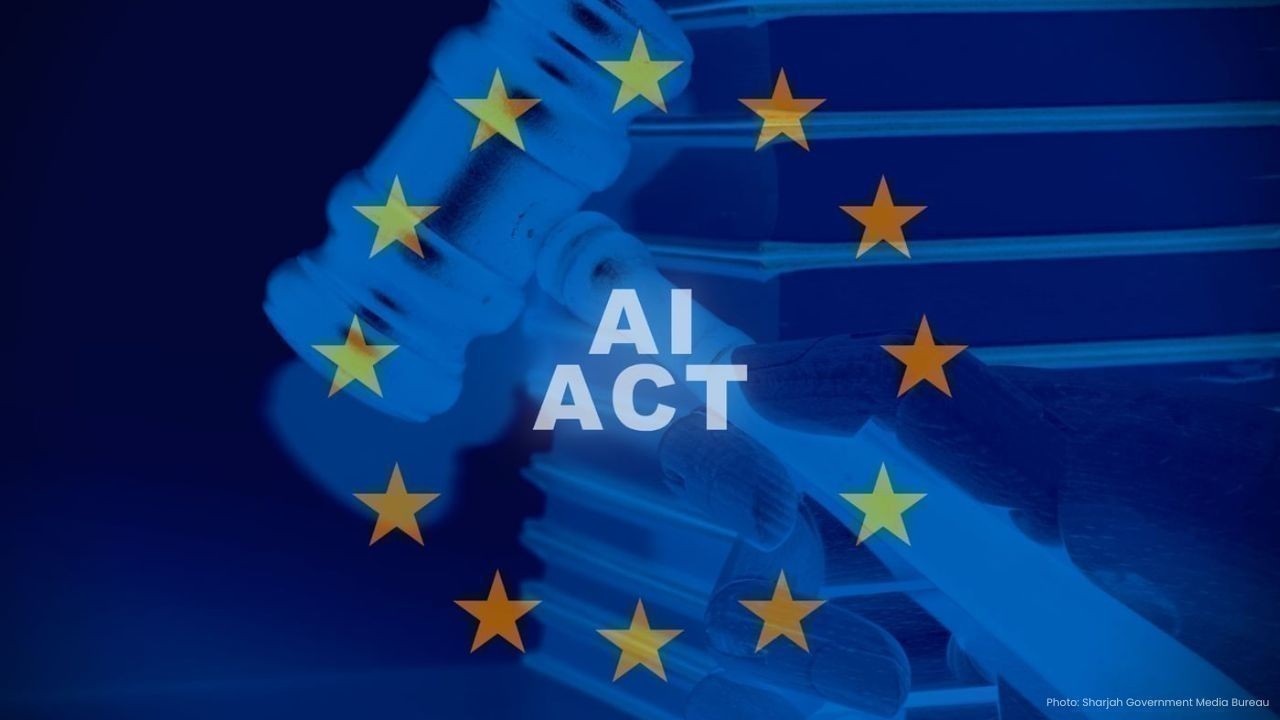
The EU’s AI Act, which is the first comprehensive legislation for regulating AI in the world, came into force in August 2024 but will be fully applied starting 2027. Draghi described the Act as a “source of uncertainty” for businesses and developers, particularly because of the complex rules surrounding high-risk AI systems.
Stay informed with the latest news. Follow DXB News Network on WhatsApp Channel
What is the EU AI Act?
The AI Act is designed to regulate artificial intelligence systems based on the risk they pose to society. The rules are divided into different levels:
-
Minimal risk: AI systems that pose little to no risk have lighter rules.
-
High risk: AI systems in critical areas like healthcare, transportation, and infrastructure face stricter regulations.
-
Unacceptable risk: Certain AI systems are completely banned if they are considered dangerous or harmful to society.
The Act aims to create a balance between safety, ethical use, and innovation, ensuring AI is both effective and trustworthy.
Draghi’s Perspective on the AI Act
Draghi noted that the initial rules were implemented without major problems. These rules included banning AI systems considered to have “unacceptable risk.” He highlighted that codes of practice, which were signed by most major developers, along with guidelines released by the European Commission, clarified responsibilities for AI developers and users.
However, Draghi stressed that the next stage of the AI Act, which covers high-risk AI systems in critical infrastructure and healthcare, should be carefully considered. He believes that this stage must be proportionate and support innovation and development.
In his view, implementing these high-risk rules should be paused temporarily until the potential drawbacks are fully understood. This approach would give policymakers, developers, and businesses more time to assess how these rules might impact innovation and technological growth.
Industry Calls for Delay
Draghi’s call comes amid strong industry support for delaying the AI Act. In July 2025, CEOs from over 40 European companies, including ASML, Philips, Siemens, and Mistral, requested a “two-year clock-stop” on the legislation.
In a letter to European Commission President Ursula von der Leyen, these CEOs explained that a delay would allow companies to:
-
Implement the new rules reasonably without rushing.
-
Adapt to the complex requirements in a practical and manageable way.
-
Benefit from possible simplification of the rules to reduce compliance burdens.
This industry push reflects concerns that strict AI regulations, if applied too quickly, could slow innovation and make it harder for European companies to compete globally.
EU Commission Response and Upcoming Plans
In response to ongoing discussions, the European Commission’s technology chief, Henna Virkkunen, announced that the EU would introduce a digital omnibus package in December 2025.
This package will:
-
Review all existing technology legislation, including AI rules.
-
Look for ways to simplify compliance for companies.
-
Potentially reduce burdens such as reporting and transparency obligations, making it easier for businesses to adapt.
This initiative shows that the EU is actively considering how to balance regulation, innovation, and business interests while maintaining safety and accountability.
Concerns from Consumer Groups and NGOs
Not everyone supports delaying or simplifying the AI Act. In July 2025, a group of more than 50 organizations, including Access Now, the Centre for Democracy and Technology Europe (CDT), and the European Consumer Organisation (BEUC), warned against re-opening or delaying the legislation.
These groups argued that any delay could weaken accountability mechanisms and reduce consumer protections. They stated in a letter that: “The EU 'simplification' agenda should not be used to drive deregulation, especially without credible evidence that this is necessary or effective. Rules must be based on fundamental values and legal protections.”
Their concern is that loosening the rules could allow unsafe AI systems to operate, undermining trust in the technology and weakening safeguards for society.
Pressure from the United States
The AI Act has also come under pressure from the United States government. Recently, former US President Donald Trump warned that the US could impose “substantial additional tariffs” on countries that implement legislation targeting American tech companies.
He emphasized that these tariffs would apply unless discriminatory actions against US companies are removed. This adds an extra layer of complexity for European policymakers, as they must balance global trade relations while implementing ethical and safe AI regulations.
Key Points of Debate
The discussion around the EU AI Act highlights several important issues:
-
Innovation vs. Regulation: High-risk AI systems are essential for progress in areas like healthcare and infrastructure, but strict rules might slow down development.
-
Business Preparedness: Many companies argue they need more time to comply with detailed reporting and compliance rules.
-
Consumer Protection: NGOs and consumer groups insist that rules should not be weakened, as AI can impact privacy, safety, and ethics.
-
Global Trade Implications: EU legislation must consider international trade, especially with tech giants in the US and Asia.
-
Proportionality: Draghi and industry leaders want measured and proportional regulations to avoid stifling innovation.
What Happens Next?
The next steps in the EU’s AI regulation process include:
-
Ongoing consultations with industry leaders, policymakers, and consumer groups.
-
Launch of the digital omnibus package in December 2025, reviewing AI and tech laws.
-
Possible adjustments to the timeline for implementing high-risk AI system rules.
-
Continuous monitoring of AI developments, risks, and innovations.
The outcome of these steps will determine how strictly the EU enforces rules on AI systems, while also trying to support innovation, protect consumers, and maintain global competitiveness.
The EU AI Act is a groundbreaking attempt to regulate artificial intelligence, ensuring it is safe, ethical, and reliable. However, the rules are complex, and there is uncertainty about how high-risk AI systems should be implemented.
Former Prime Minister Mario Draghi’s call to pause the rules temporarily reflects the need for caution and careful assessment of potential drawbacks. Industry leaders support this approach, citing the need for realistic timelines and manageable compliance. On the other hand, consumer groups warn against deregulation that could weaken protections and accountability.
Meanwhile, global pressure, particularly from the US, adds another layer of challenge for European policymakers. The next few months will be critical in shaping the future of AI in Europe, balancing innovation, safety, and international trade considerations.
The debate surrounding the AI Act highlights the delicate balance between progress and regulation, showing how governments and societies must navigate new technologies carefully, ensuring both safety and innovation go hand in hand.