Stop Hair Fall Stress: Yoga and Pranayama Routine for Thicker Hair Growth
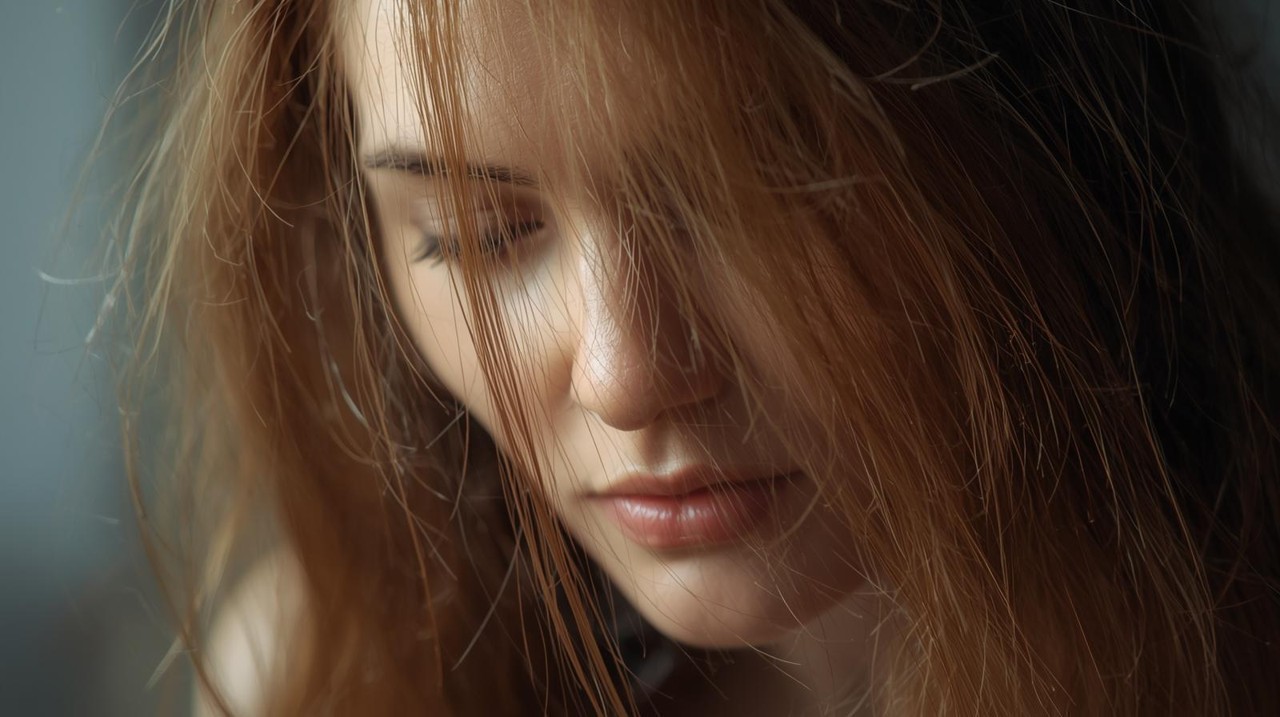
Hair fall has become a daily worry for many people. Students, office workers, parents, and even teenagers notice their hair becoming thinner, weaker, or more fragile than before. Long study hours, endless screen time, late-night work, unhealthy food, and constant pressure slowly weaken the scalp. When stress increases, the hair roots suffer first.
The good thing is that you don’t always need costly hair products or salon treatments to control hair fall. A few minutes of yoga, pranayama (breathing exercises), and gentle self-massage can calm your mind, improve blood flow, and naturally support healthy hair growth. These simple practices nourish the body and bring balance from within.
Let’s look at this routine in an easy and practical way.
Why Stress Causes Hair Fall
Shedding a few strands daily is normal. But when hair starts falling more than usual, it is a sign that something inside the body is disturbed. Some common reasons include:
-
Stress and overthinking
-
Poor sleep habits
-
Skipping meals or eating junk food
-
Weak blood circulation
-
Hormonal changes
-
Tight hairstyles
-
Excessive use of heat tools
-
Dust and pollution
-
Chemicals in shampoos and gels
Out of all these, stress is often the biggest hidden cause. Many people don’t realise how directly stress affects their scalp.
How Stress Affects Your Hair Roots
When stress levels rise, your body responds in several ways that affect hair growth:
1. Blood supply to the scalp reduces
Stress causes the blood vessels to tighten. This limits the nutrients reaching your hair roots.
2. Stress hormones increase
The hormone cortisol disturbs your hair’s natural growth cycle and leads to early shedding.
3. Scalp becomes stiff and tight
A tense scalp has less flexibility, making it harder for new hair to grow properly.
This is why yoga and pranayama are powerful—they calm the mind, open blood vessels, and bring more oxygen to the scalp.
Benefits of Yoga for Stronger Hair
Yoga not only relaxes the mind but also supports overall health. Healthy hair is a reflection of a healthy system. With regular practice, yoga:
-
Improves blood flow
-
Reduces mental stress
-
Supports deeper breathing
-
Relaxes the nervous system
-
Helps balance hormones
-
Improves nutrient absorption
These benefits make yoga a natural solution for anyone dealing with heavy hair fall.
A 10-Minute Yoga Routine to Reduce Hair Fall
You can do this routine every morning or evening.
1. Forward Bend (Uttanasana)
Bend down and let your head hang loose.
Why it helps: Fresh blood flows toward the scalp, giving the hair roots the nourishment they need.
2. Camel Pose (Ustrasana)
Lift your chest and gently bend backward.
Why it helps: Opens up the chest and lungs, improving the flow of oxygen throughout the body.
3. Child’s Pose (Balasana)
Sit on your heels and stretch forward with your arms.
Why it helps: This pose relaxes the mind, reduces tension, and comforts the nervous system.
4. Downward Dog (Adho Mukha Svanasana)
Raise your hips and stretch your body like an inverted “V.”
Why it helps: Sends blood toward your head and loosens stiffness in the shoulders and spine.
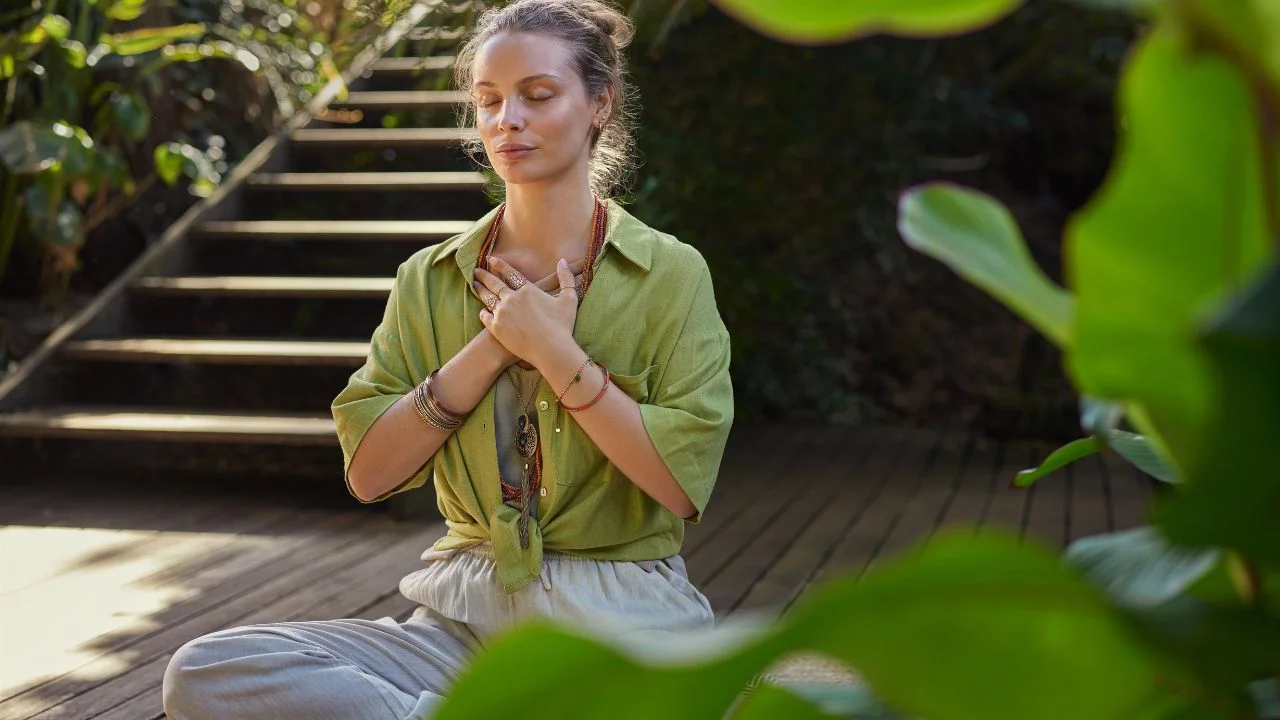
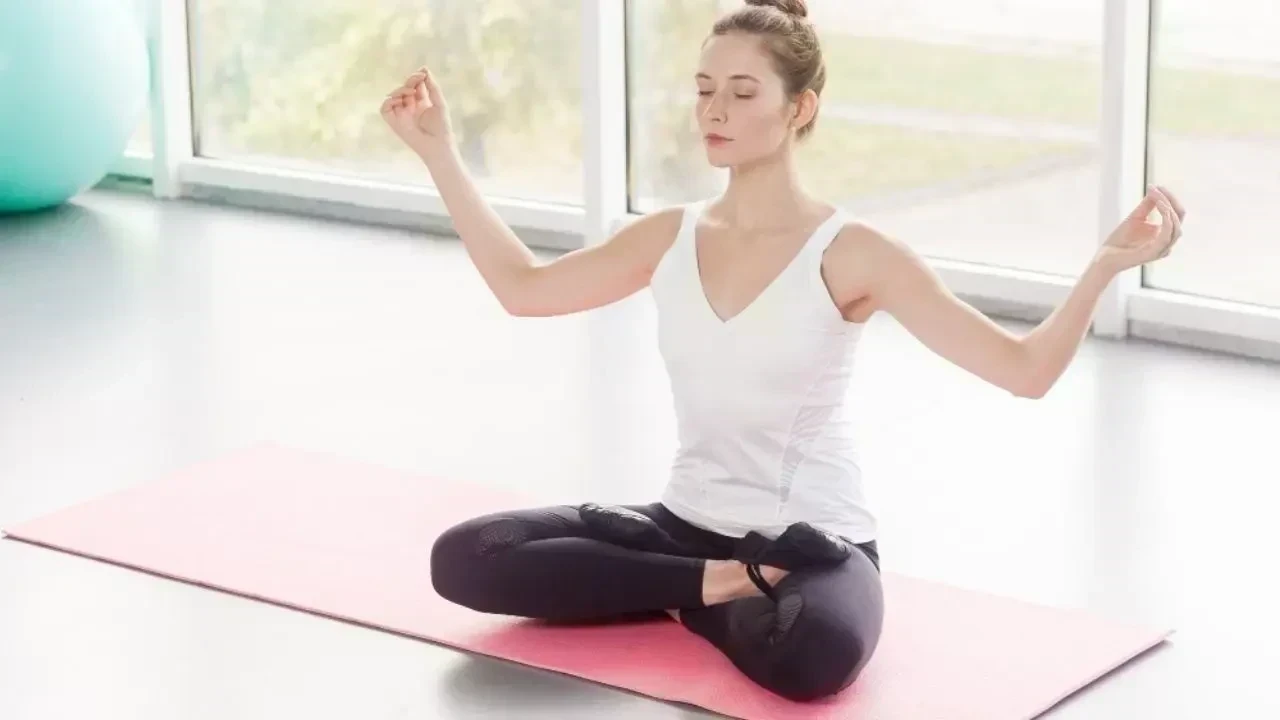
5 Pranayama Exercises for Hair Growth
Breathing exercises help fill the body with oxygen and reduce stress—two important factors for healthy hair.
1. Anulom Vilom
Breathe through one nostril at a time.
Helps with: Hormone balance and calming the mind.
2. Kapalabhati
Short, quick exhales while tightening the stomach.
Helps with: Detoxification and digestion, which play a big role in hair strength.
3. Bhramari Pranayama
Make a soft humming sound while exhaling.
Helps with: Instant relaxation and tension relief.
4. Sheetali Pranayama
Cool air is inhaled through the mouth.
Helps with: Cooling the body and reducing heat-related hair fall.
5. Deep Breathing
Slowly fill your lungs and release the air gently.
Helps with: Increasing oxygen levels and improving scalp circulation.
Even a 5-minute routine can make a noticeable difference in a few weeks.
Self-Massage Techniques for Stronger Hair Roots
Massage works like food for the scalp. It improves blood flow and nourishes the hair roots.
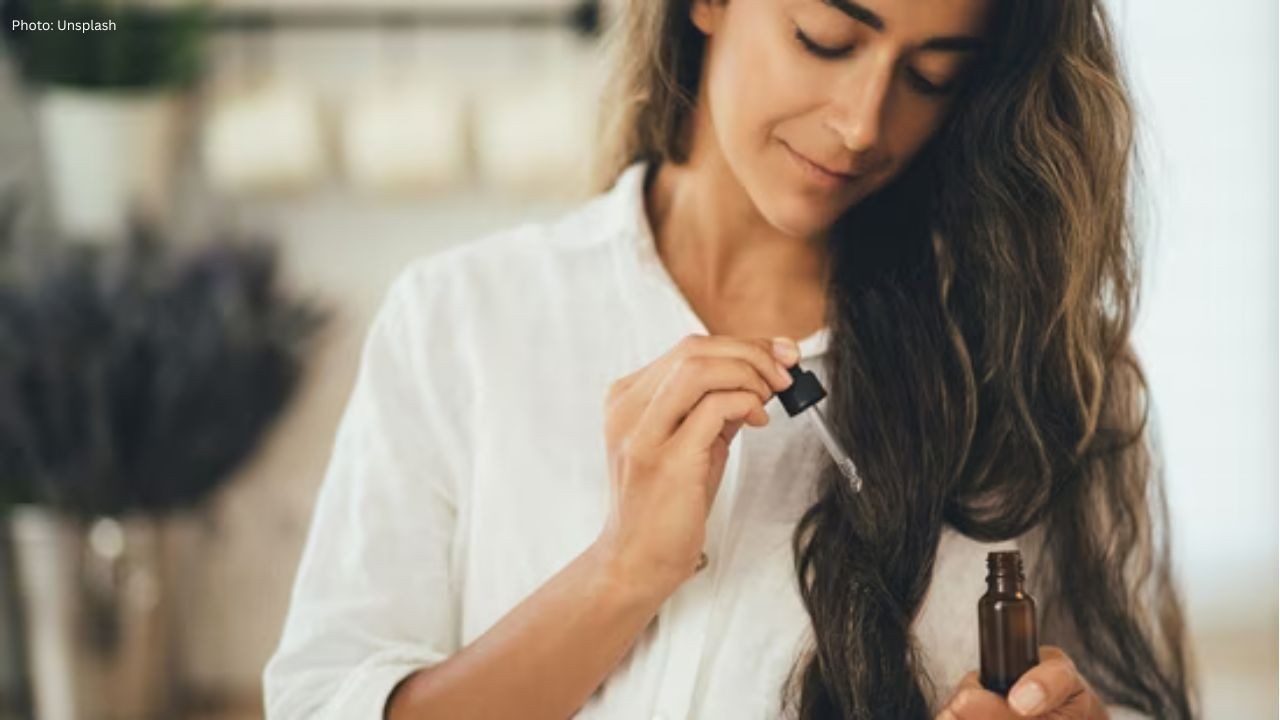
Warm Oil Massage
Use coconut, almond, or bhringraj oil.
Warm oil helps repair weak roots and reduces breakage.
Fingertip Massage
Move your fingertips in gentle circular motions.
This relaxes the scalp muscles and boosts circulation.
Pressure Point Massage
Press gently around the temples, the crown of the head, and the back of the head.
These points help ease stress and encourage growth.
Foods That Support Hair Growth Naturally
Your diet plays a huge role in how healthy your hair becomes. Include:
-
Almonds, walnuts
-
Eggs
-
Spinach and leafy greens
-
Pumpkin seeds
-
Yogurt
-
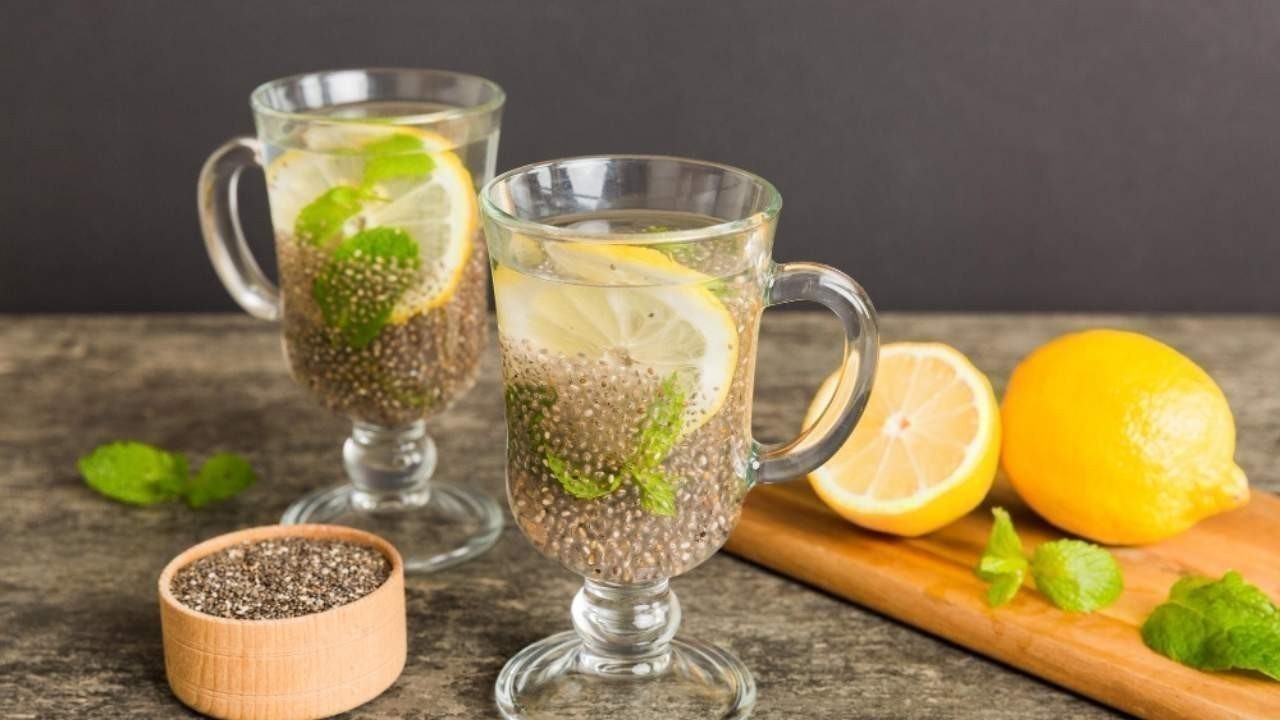
Amla, oranges, lemons
These foods provide protein, vitamins, iron, and healthy fats needed for strong hair.
Daily Habits to Reduce Hair Fall
-
Sleep 7–8 hours
-
Drink enough water
-
Avoid tight ponytails or buns
-
Reduce heat styling
-
Wash hair after sweating
-
Use mild shampoos
-
Do yoga or a short walk daily
Small changes every day lead to long-term results.
FAQs
1. How soon will I see improvement?
Most people notice changes within 3–6 weeks.
2. Is yoga alone enough?
Yoga helps a lot, but adding a good diet and scalp care gives better results.
3. Can beginners try these pranayama exercises?
Yes, all the techniques mentioned here are simple and safe.
4. Can older adults do this routine?
Yes, it is gentle and suitable for all ages.
5. Does Kapalabhati really help hair?
Yes, because it improves digestion and increases oxygen flow.
6. How many minutes should I practice daily?
Around 10–15 minutes is enough.
You don’t always need expensive treatments or chemical-based solutions to stop hair fall. Often, the most effective remedies are simple and natural. Daily yoga, pranayama, and gentle scalp massage help reduce stress, improve circulation, and support thicker, healthier hair. When the mind is calm and the body receives enough oxygen, your hair begins to grow stronger from within.
Disclaimer
The information in this article is meant for general awareness and should not be taken as medical advice. Every person’s body and health condition are different, and results may vary. If you have severe hair fall, scalp infections, or medical concerns, please consult a dermatologist or healthcare professional before starting any new routine. The author is not responsible for any reactions or issues caused by following the practices mentioned.