What Makes Some Hair Treatments More Effective Than Others
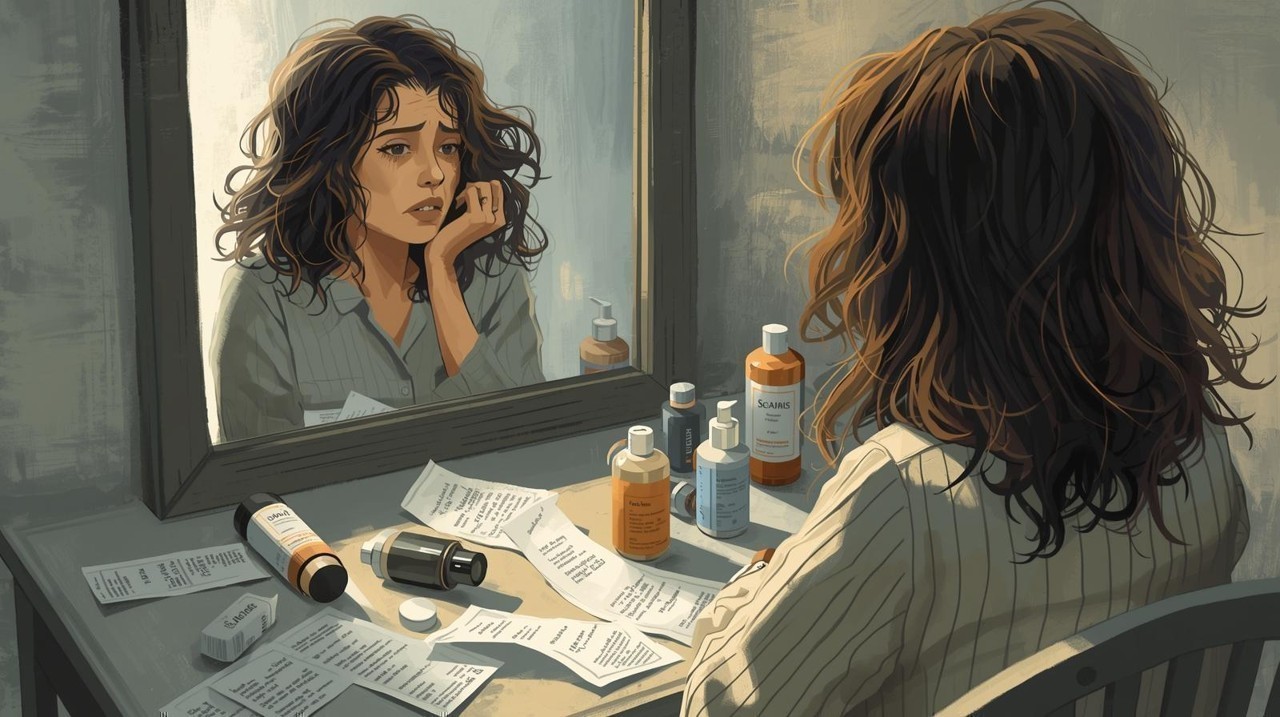
Hair treatments promise thicker hair, reduced hair fall, improved shine, and long-term scalp health. Yet many people try multiple treatments with mixed or disappointing results. Some see visible improvement within weeks, while others notice no change despite spending time and money. The difference lies not in luck, but in how hair treatments actually work, how they are chosen, and how consistently they are applied.
This article explains what truly determines the effectiveness of hair treatments, separating marketing claims from real science, and helping you understand why certain treatments work better than others.
Understanding Hair and Scalp Biology First
No hair treatment can be effective unless it aligns with hair and scalp biology.
Hair growth is a biological cycle
Hair grows in three phases:
-
Anagen (growth phase)
-
Catagen (transition phase)
-
Telogen (resting and shedding phase)
Most effective treatments work by extending the growth phase, reducing premature shedding, or improving follicle health.
The scalp matters more than hair strands
Hair strands are dead tissue. Treatments that focus only on shine or smoothness improve appearance but do not treat hair fall or thinning. Effective treatments focus on:
-
Scalp circulation
-
Follicle nutrition
-
Inflammation control
-
Hormonal sensitivity
Without addressing the scalp, results remain temporary.
Correct Diagnosis Is the Biggest Success Factor
One major reason hair treatments fail is wrong diagnosis.
Hair fall has multiple causes
Common causes include:
-
Genetic hair loss
-
Hormonal imbalance
-
Nutritional deficiencies
-
Stress and lifestyle factors
-
Medical conditions
-
Scalp infections or inflammation
A treatment designed for nutritional deficiency will not work for genetic hair loss, and vice versa.
Why generic treatments fail
Over-the-counter solutions often target symptoms, not causes. Effective treatments are problem-specific, not one-size-fits-all.
Quality of Active Ingredients Matters More Than Brand Names
Not all treatments are equal, even if they claim similar benefits.
Concentration and bioavailability
Low-quality treatments may include popular ingredients in ineffective concentrations. Effective treatments use:
-
Clinically validated concentrations
-
Ingredients that can penetrate the scalp
-
Stable formulations that remain active
Evidence-based ingredients
Effective hair treatments rely on ingredients with scientific backing, not trends. Ingredients that improve blood flow, reduce follicle sensitivity, or support keratin production tend to show better results.
Treatment Method Plays a Critical Role
How a treatment is delivered often determines its effectiveness.
Topical treatments
Topicals work best when:
-
Applied consistently
-
Massaged properly
-
Used on a clean scalp
Poor application reduces absorption and results.
Injectable and clinical treatments
Professional treatments deliver nutrients or growth factors directly to hair follicles, bypassing absorption barriers. These often show faster results but still require maintenance.
Oral supplements
Supplements help only if a deficiency exists. Taking unnecessary supplements rarely improves hair growth and may delay proper treatment.
Consistency Over Time Determines Real Results
Hair growth is slow. Any treatment promising overnight results is misleading.
Realistic timelines
-
Reduced hair fall: 4–8 weeks
-
New hair growth: 3–4 months
-
Visible density improvement: 6–9 months
Stopping a treatment too early is one of the most common reasons for failure.
Why switching treatments too often backfires
Hair follicles need stability. Constantly changing products confuses the scalp environment and disrupts progress.
Lifestyle Support Amplifies Treatment Results
Even the best treatment fails without lifestyle alignment.
Nutrition impact
Hair follicles need:
-
Protein
-
Iron
-
Zinc
-
Biotin
-
Essential fatty acids
Poor diet limits treatment effectiveness.
Stress and sleep
Chronic stress pushes hair into the shedding phase. Treatments work better when stress is managed and sleep quality improves.
Hair care habits
Excessive heat styling, harsh chemicals, tight hairstyles, and aggressive brushing weaken hair shafts and reduce treatment benefits.
Personalization Makes the Biggest Difference
The most effective treatments are customized, not copied.
Age and gender differences
Hormonal patterns vary by age and gender, influencing response to treatment.
Scalp type
Oily, dry, sensitive, or inflamed scalps require different formulations.
Progress tracking
Effective treatments are adjusted based on:
-
Shedding patterns
-
Density changes
-
Scalp condition
-
Response timeline
Static treatment plans rarely deliver optimal results.
Professional Guidance Improves Outcomes
Self-treatment often delays improvement.
Why expert guidance matters
Professionals help with:
-
Accurate diagnosis
-
Treatment selection
-
Dosage and frequency
-
Monitoring side effects
-
Course correction
This reduces wasted time and money.
Why Some Treatments Show Faster Results
Fast results usually occur when:
-
The cause is reversible
-
Follicles are still active
-
Treatment matches the condition
-
Consistency is maintained
-
Lifestyle support is strong
Early-stage hair loss responds far better than advanced thinning.
The Role of Expectations in Perceived Effectiveness
Unrealistic expectations create disappointment.
Hair regrowth vs hair thickening
Not all treatments regrow new hair. Some:
-
Strengthen existing hair
-
Reduce breakage
-
Improve density appearance
Understanding the goal improves satisfaction.
Long-Term Maintenance Is Non-Negotiable
Hair loss is often chronic, not one-time.
Why maintenance matters
Stopping treatment allows underlying causes to return. Effective plans include:
-
Active treatment phase
-
Maintenance phase
-
Periodic reassessment
Consistency protects results.
Myths That Reduce Treatment Success
-
Natural always means effective
-
Expensive equals better
-
Faster results are safer
-
One product can fix all problems
Avoiding these myths improves outcomes.
What Truly Makes a Hair Treatment Effective
A hair treatment works best when:
-
The cause is correctly identified
-
Ingredients are clinically effective
-
Delivery method suits the condition
-
Application is consistent
-
Lifestyle supports hair health
-
Expectations are realistic
There is no magic solution, only smart, sustained treatment strategies.
Final Insight on Choosing Hair Treatments
The effectiveness of hair treatments depends less on hype and more on science, suitability, and consistency. When treatments are chosen thoughtfully and supported by healthy habits, results become predictable rather than accidental.
Hair improvement is a process, not a shortcut.
Disclaimer
This article is for informational purposes only and does not replace professional medical advice. Hair loss causes and treatment responses vary by individual. Consult a qualified healthcare or hair specialist before starting any treatment.