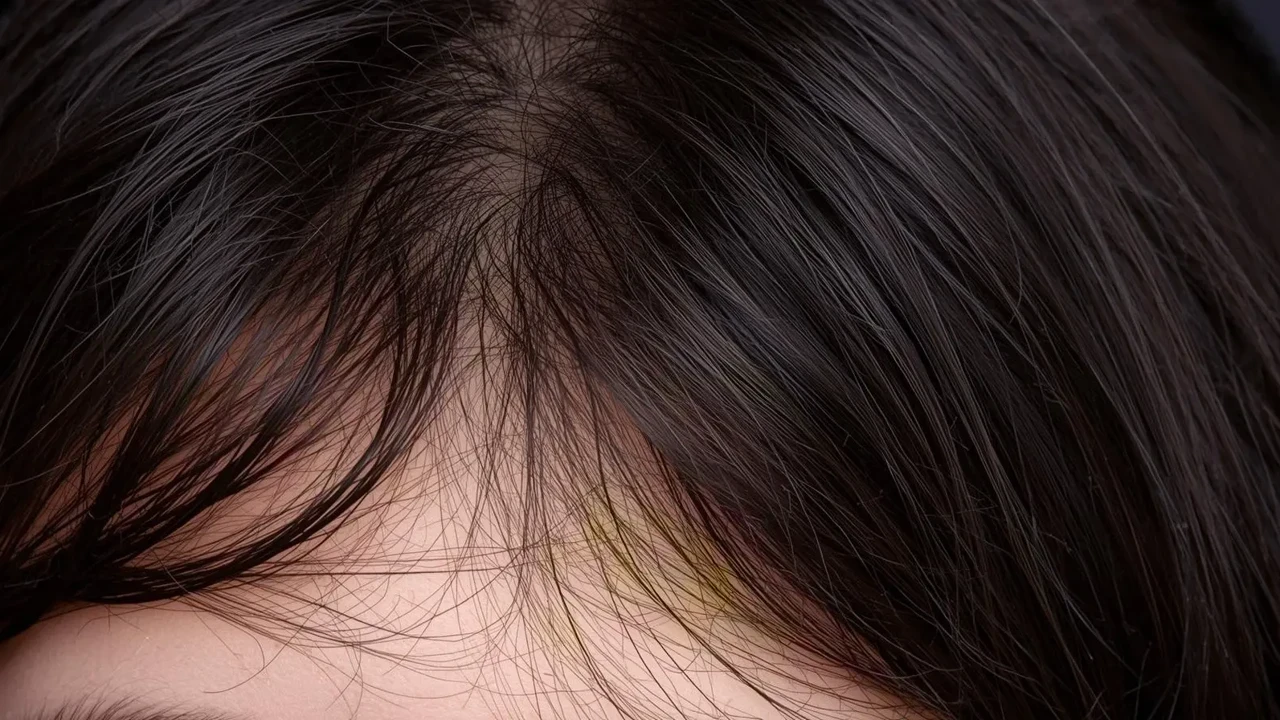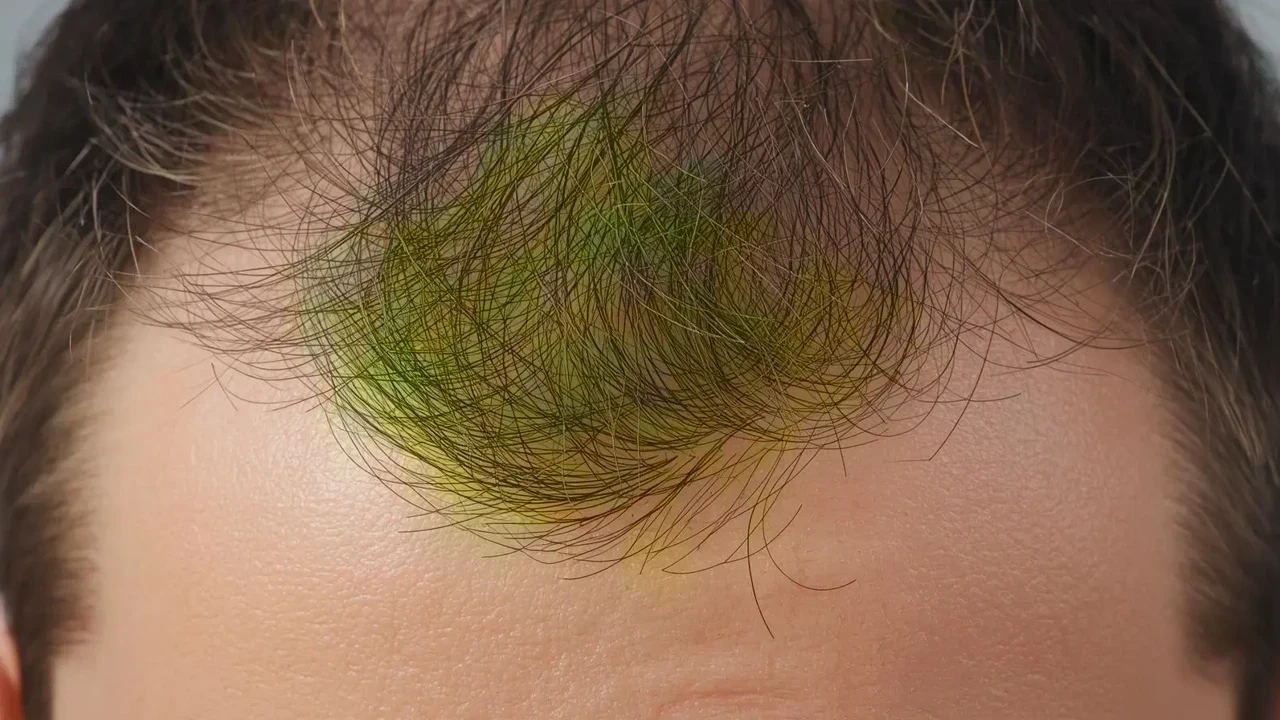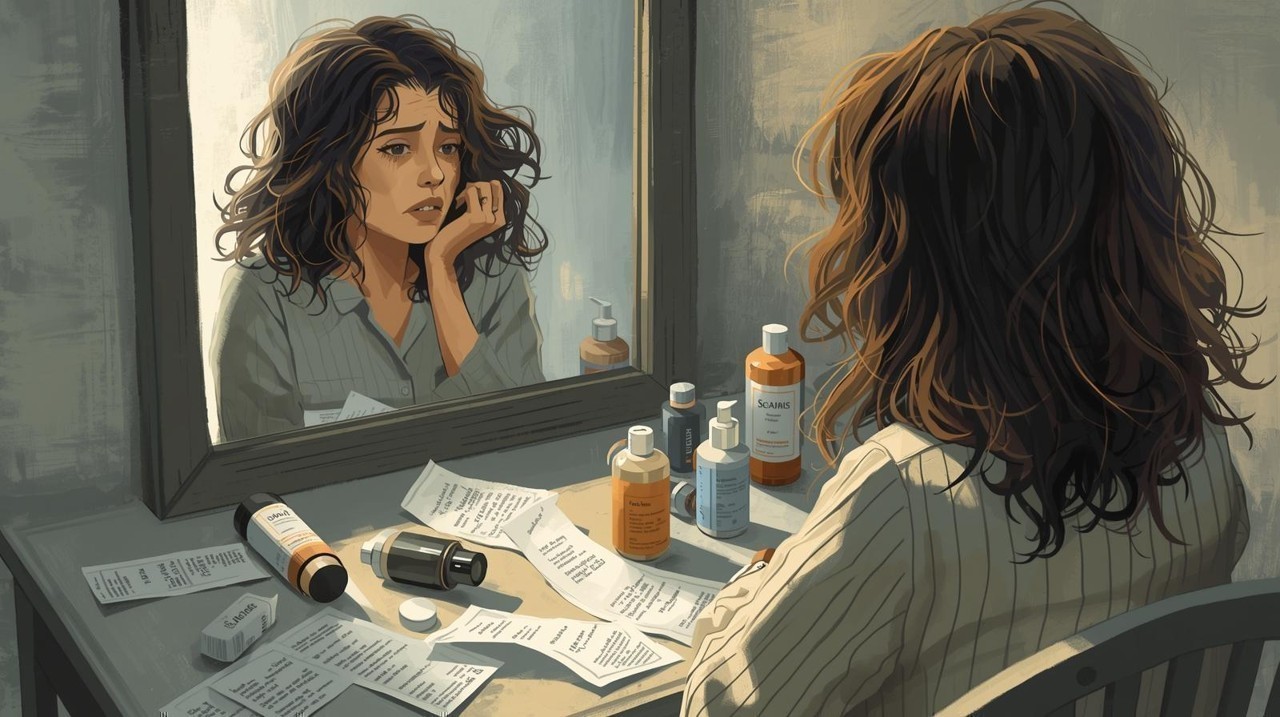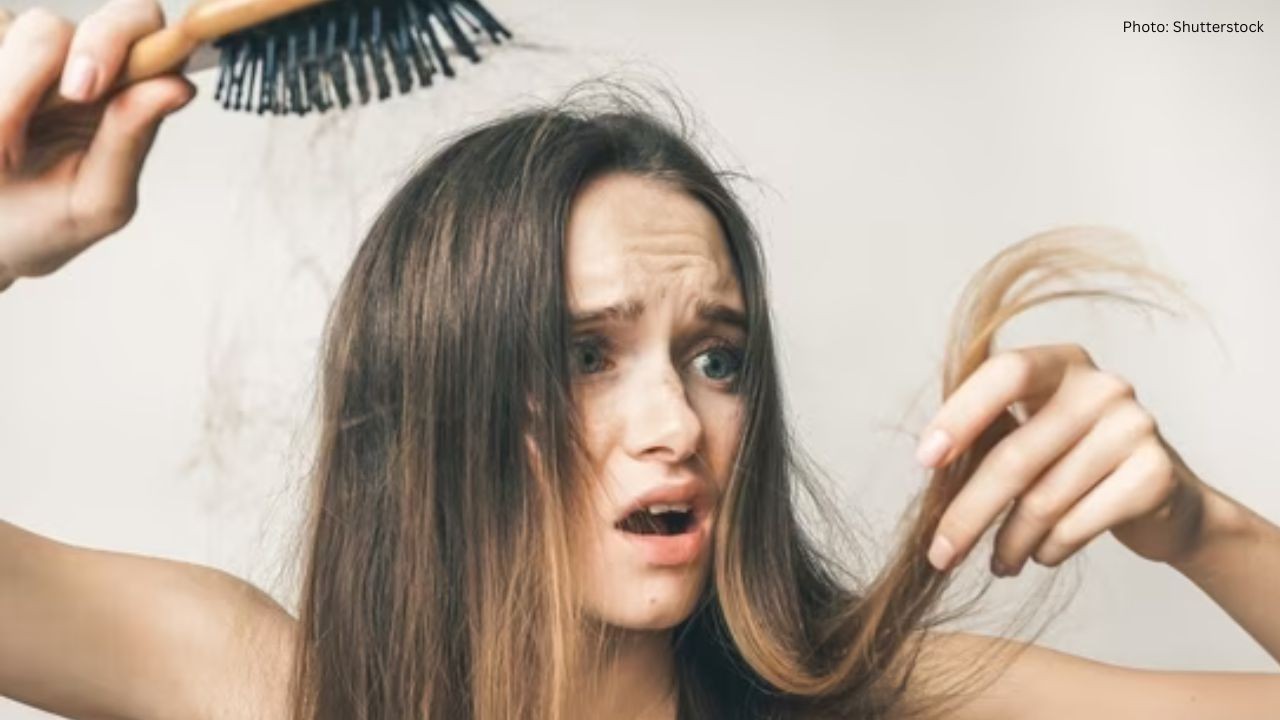
As individuals enter their 30s, many start to notice an increase in hair loss, with signs like thinning hair, receding hairlines, or extra strands on pillows becoming distressing. Experts clarify that such issues are prevalent and often tied to a combination of stress, hormonal fluctuations, lifestyle choices, and genetic predisposition.
The fast-paced life of the 30s leads to increased demands, including career challenges, family responsibilities, and financial planning, all of which can heighten mental stress. According to dermatologists, this stress can elevate cortisol levels, a hormone that adversely impacts hair health, which in turn diminishes the nutrient and blood supply to hair roots. The stress can also disrupt sleep, a critical time for hair growth and replenishment. Over time, this can weaken hair roots, resulting in increased hair loss. Additionally, stress may cause tension in scalp muscles, further restricting blood flow to hair follicles.
Hormonal changes greatly affect hair health as well. For many women, their 30s bring shifts in hormones like estrogen and progesterone, which are crucial for maintaining hair vitality. A decline in these hormones combined with rising stress hormones can slow hair growth and lead to increased shedding. It's important to note that hormonal hair loss varies from person to person, which is why no singular solution exists.
Moreover, daily habits can significantly influence hair health. Inconsistent sleep patterns, unhealthy diets, smoking, excessive caffeine consumption, lack of physical activity, and extreme dieting can all starve hair follicles of necessary oxygen and nutrients. Dermatologists frequently observe that individuals experiencing hair loss in their 30s often have deficiencies in iron, protein, vitamin D, or B vitamins. Furthermore, regular use of heat styling tools, chemical treatments, and hair dye can weaken hair strands and make them appear thinner.
The role of genetics should not be overlooked either. If a family history of early hair thinning or pattern baldness exists, signs often manifest in one’s 30s. While genetics lays the groundwork, stress and poor lifestyle habits can accelerate hair loss, making it more apparent.
Experts recommend proactive measures as soon as hair thinning becomes evident. Consuming a well-rounded diet rich in protein, iron, fruits, vegetables, and healthy fats can nourish hair roots effectively. Gentle scalp massages and oiling at least twice weekly can enhance blood circulation. Managing stress through activities like walking, yoga, or meditation before bedtime may lower cortisol levels and boost hair growth.
If hair loss persists, despite lifestyle adjustments, seeking advice from a dermatologist can be beneficial. Various medical treatments, nutritional support, and advanced interventions like PRP therapy can help mitigate hair loss and fortify existing strands. When combined with proper nutrition, stress management, and consistent scalp care, these strategies can significantly contribute to longevity in hair health, leading to noticeable improvements over time.