Turkish Desserts Guide: Baklava, Kunefe, Lokum Explained
Turkish desserts are known for their rich flavors, syrupy sweetness, and centuries-old traditions. Rooted in Ottoman cuisine, these desserts are not just food items but cultural symbols served during celebrations, family gatherings, and everyday tea time. Among the many varieties, Baklava, Kunefe, and Lokum stand out as the most iconic and widely recognized Turkish sweets. This guide explains each dessert in detail, covering ingredients, taste, texture, price range, and when they are traditionally eaten, helping travelers and food lovers understand what to expect before ordering.
Why Turkish Desserts Are So Distinct
Turkish desserts rely heavily on nuts, dairy, filo pastry, sugar syrup, and floral flavors like rose and orange blossom. Unlike Western desserts that focus on buttercream or chocolate, Turkish sweets emphasize texture and aroma. Most desserts are sweetened with syrup rather than sugar inside the dough, giving them a glossy appearance and intense sweetness. Portion sizes are usually small, as flavors are rich and filling.
Baklava Explained
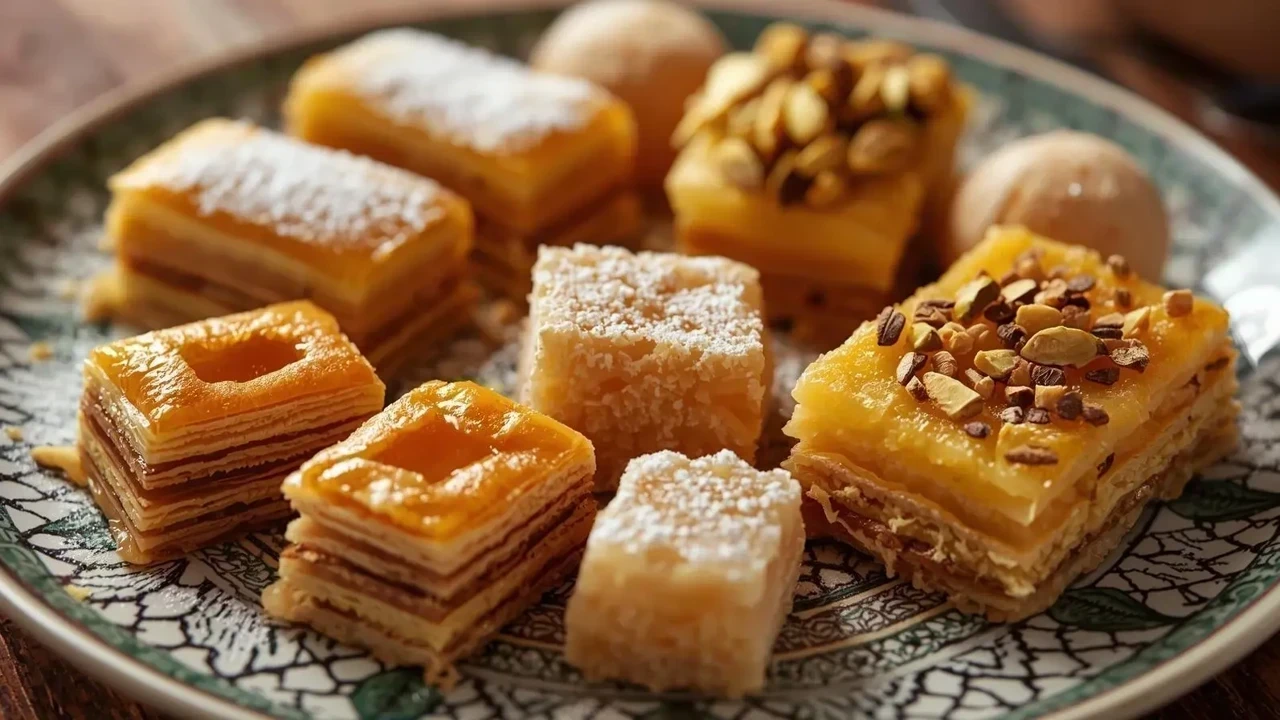
Baklava is the most famous Turkish dessert and a symbol of Ottoman culinary excellence. It is made using multiple layers of ultra-thin filo pastry brushed with butter, filled with finely chopped nuts, and soaked in sugar syrup after baking.
The most traditional version uses pistachios, especially from Gaziantep, though walnuts and hazelnuts are also common. Good baklava is crisp on the outside, soft inside, and not overly greasy.
The syrup is lightly flavored with lemon to balance sweetness, and high-quality baklava should never taste soggy. Baklava is typically cut into diamond or square shapes and served at room temperature.
Baklava is commonly eaten after meals, during festivals, weddings, and religious celebrations. It pairs well with Turkish tea or black coffee, which helps balance its sweetness.
Types of Baklava You May See
Classic pistachio baklava is the most popular. Walnut baklava is more common in home-style bakeries. Şöbiyet is a cream-filled version that is softer and richer. Cold baklava, a newer style, is served chilled and topped with milk-based syrup and cocoa, offering a lighter feel.
Kunefe Explained
Kunefe is a hot dessert that offers a completely different experience from baklava. It is made with shredded filo dough called kadayif, layered with soft, unsalted cheese, baked until crisp, and soaked lightly in syrup.
Kunefe is always served warm so that the cheese inside remains stretchy and melted. The top is usually garnished with crushed pistachios, adding color and texture.
The flavor is a balance of sweet, salty, and creamy. The crispy exterior contrasts with the gooey cheese center, making kunefe one of the most indulgent Turkish desserts.
Kunefe is typically eaten fresh after dinner and is rarely taken away, as it loses its texture when cooled. It is especially popular in southern Turkey and is often shared due to its richness.
How Kunefe Differs From Other Desserts
Unlike most Turkish sweets, kunefe is not overly sweet. The cheese plays a major role, giving it a savory undertone. This makes it appealing even to people who usually avoid very sweet desserts. Kunefe is filling, so smaller portions are recommended.
Lokum Explained
Lokum, commonly known as Turkish delight, is a soft, chewy confection made from sugar, starch, and flavorings. It has a jelly-like texture and is cut into small cubes, usually coated in powdered sugar or coconut flakes.
Traditional flavors include rose, lemon, orange, and mastic. Modern variations include pistachio, hazelnut, pomegranate, chocolate, and coffee.
Lokum is much lighter than baklava or kunefe and is often served with Turkish tea or coffee. It is also a popular gift item, as it stores well and comes in decorative boxes.
Good-quality lokum should be tender and elastic, not sticky or overly sugary. It should melt slowly in the mouth rather than feel rubbery.
When Lokum Is Traditionally Eaten
Lokum is commonly offered to guests as a sign of hospitality. It is eaten during casual visits, tea time, and religious holidays. Unlike baklava and kunefe, lokum is suitable for frequent consumption in small amounts.
Taste and Texture Comparison
Baklava is crisp, nutty, and syrupy with layered textures. Kunefe is crunchy on the outside and creamy inside, served hot with balanced sweetness. Lokum is soft, chewy, and aromatic with gentle sweetness. Baklava delivers intensity, kunefe delivers indulgence, and lokum delivers subtlety.
Sweetness Level Comparison
Baklava is the sweetest of the three due to heavy syrup and nuts. Kunefe has moderate sweetness balanced by cheese. Lokum is mildly sweet and suitable for those who prefer lighter desserts.
Price and Availability
Baklava is moderately priced and widely available in bakeries and dessert shops. Kunefe is slightly more expensive due to fresh preparation and cheese content. Lokum is usually the most affordable and is sold by weight in specialty stores and markets.
Which Dessert Should You Try First
First-time visitors should start with pistachio baklava to experience traditional Turkish dessert culture. Kunefe is ideal for those who enjoy hot desserts and cheese-based flavors. Lokum is best for gifting or pairing with tea and coffee.
Common Mistakes When Choosing Turkish Desserts
Buying baklava from low-quality shops often results in overly sweet and greasy versions. Ordering kunefe for takeaway reduces its quality. Choosing lokum with artificial flavors can disappoint first-time tasters.
Final Thoughts
Turkish desserts reflect a deep culinary heritage built on balance, craftsmanship, and hospitality. Baklava represents tradition and richness, kunefe offers warmth and indulgence, and lokum delivers elegance and simplicity. Understanding these desserts helps travelers and food lovers appreciate Turkish cuisine beyond just taste, turning each bite into a cultural experience.
Disclaimer
This article is for informational purposes only. Ingredients, preparation styles, and sweetness levels may vary by region and dessert shop.