A Cultural Introduction to Emirati Cuisine
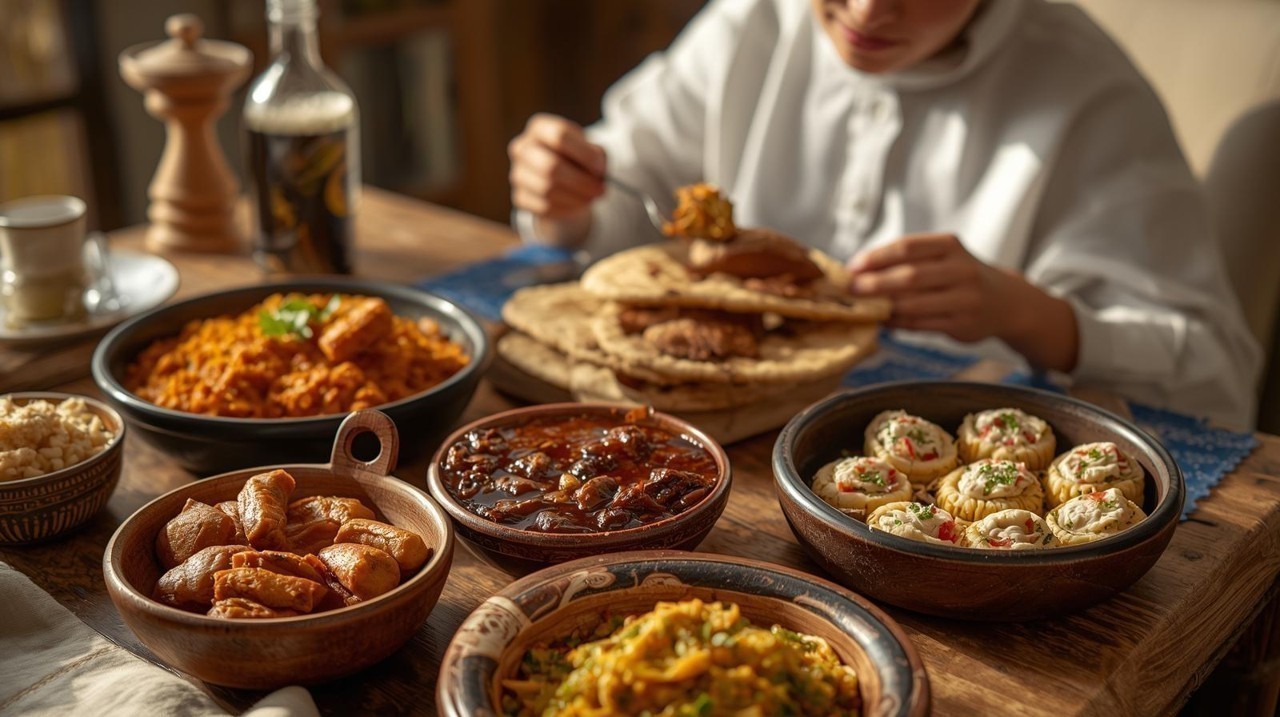
Emirati cuisine reflects the UAE’s history, desert lifestyle, coastal geography, and Bedouin traditions. Before modern development and global food influences, local dishes were shaped by limited resources, relying heavily on dates, rice, meat, fish, dairy, and aromatic spices. Traditional Emirati food is not overly spicy but deeply flavourful, focusing on slow cooking, shared meals, and hospitality. For visitors, trying Emirati cuisine is one of the best ways to understand local culture, values, and traditions.
Introduction
When visiting the UAE, many travellers explore international restaurants, luxury dining, and global cuisines, but traditional Emirati food often remains unexplored. Authentic local dishes tell stories of desert survival, coastal fishing communities, and family gatherings. From rice-based meat dishes to sweet treats flavoured with dates and saffron, Emirati cuisine is comforting, rich, and rooted in heritage. This article highlights traditional Emirati dishes you must try when visiting the UAE, explaining their ingredients, cultural importance, and why they remain central to local life.
Al Harees
Al Harees is one of the oldest and most respected Emirati dishes.
What it is
A simple yet hearty dish made from wheat and meat, usually chicken or lamb, cooked slowly until it reaches a porridge-like consistency.
Why it’s special
• Symbol of unity and sharing
• Often prepared during Ramadan and weddings
• Requires hours of slow cooking
Flavour profile
Mild, creamy, and comforting, seasoned lightly with salt and sometimes butter or ghee.
Cultural significance
Al Harees represents patience and tradition, as it is often cooked overnight for large gatherings.
Machboos
Machboos is considered a staple dish in Emirati households.
What it is
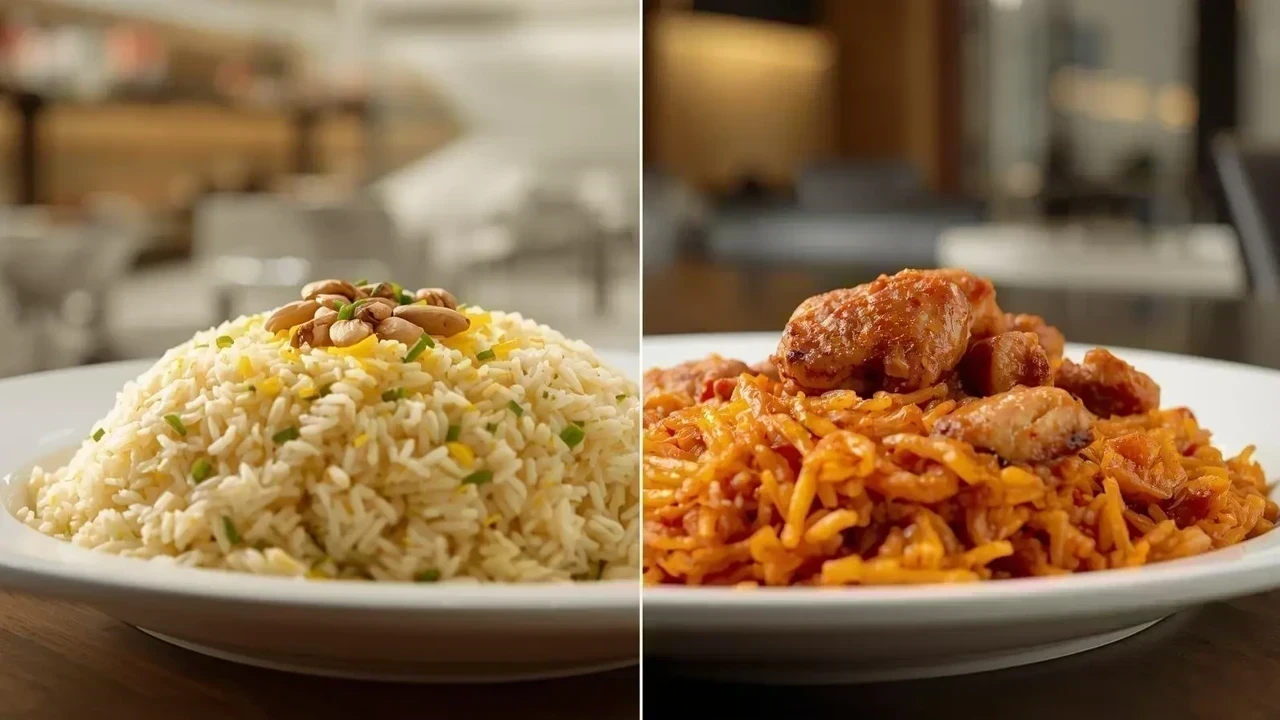
A spiced rice dish cooked with meat, chicken, or fish, infused with dried lime and regional spices.
Key ingredients
• Basmati rice
• Dried lime (loomi)
• Tomatoes and onions
• Meat or seafood
Why tourists love it
It offers rich flavour without being overpowering, making it accessible to most palates.
When it’s served
Often served during family lunches, celebrations, and traditional gatherings.
Al Majboos with Fish
Due to the UAE’s long coastline, seafood plays a major role in local cuisine.
What makes it unique
Fish majboos uses fresh local fish and lighter spices compared to meat versions.
Taste experience
• Tangy notes from dried lime
• Mild spice blend
• Fresh, aromatic rice
Best time to try
Coastal regions and traditional eateries often serve it for lunch.
Thareed
Thareed is a deeply traditional and comforting Emirati dish.
What it is
A stew of meat and vegetables poured over thin Emirati bread.
Why it’s culturally important
• One of the Prophet’s favourite dishes
• Common during Ramadan
• Shared family-style
Ingredients used
• Lamb or chicken
• Root vegetables
• Tomato-based broth
Texture and taste
Soft, rich, and filling, combining stew and bread into one hearty meal.
Luqaimat
Luqaimat is one of the most loved Emirati desserts.
What it is
Small deep-fried dough balls, crispy outside and soft inside, drizzled with date syrup.
Why it’s popular
• Light yet satisfying
• Common during festivals and Ramadan
• Loved by all age groups
Flavour notes
Sweet, slightly crunchy, with warm hints of saffron and cardamom.
Balaleet
Balaleet is a unique sweet-and-savoury breakfast dish.
What it is
Sweet vermicelli cooked with sugar, saffron, and rose water, topped with a thin omelette.
Why it stands out
The contrast of sweet noodles and savoury eggs creates a balanced and comforting dish.
When it’s eaten
Typically served for breakfast or during special occasions.
Madrooba
Madrooba is a lesser-known but traditional Emirati comfort dish.
What it is
A thick, creamy dish made with salted fish or chicken and flour.
Taste profile
• Creamy texture
• Mild saltiness
• Subtle spice
Why locals love it
It’s filling, nourishing, and traditionally eaten during colder months.
Regag Bread
Regag is a traditional Emirati flatbread.
What makes it unique
• Paper-thin texture
• Cooked on a hot metal surface
• Often served fresh
How it’s eaten
• With honey or cheese
• Alongside savoury dishes
• Rolled and stuffed
Regag bread showcases the simplicity of Emirati cooking.
Chebab
Chebab is an Emirati-style pancake.
What it is
Soft pancakes flavoured with saffron and cardamom.
How it’s served
• With date syrup
• With cheese
• As breakfast or snack
Why tourists enjoy it
Light, aromatic, and easy to enjoy for first-time visitors.
Dates and Emirati Coffee (Gahwa)
Dates and coffee form the heart of Emirati hospitality.
About Gahwa
A light Arabic coffee flavoured with cardamom and sometimes saffron.
Why it’s important
• Served to welcome guests
• Symbol of generosity
• Often paired with dates
Drinking gahwa is more than a beverage experience; it’s a cultural ritual.
Jasheed
Jasheed is a traditional meat dish rooted in Bedouin culture.
What it is
Shredded meat cooked with spices and flour.
Why it matters
• High-energy meal
• Traditionally eaten during hard desert conditions
Taste and texture
Soft, rich, and mildly spiced.
Emirati Desserts Beyond Luqaimat
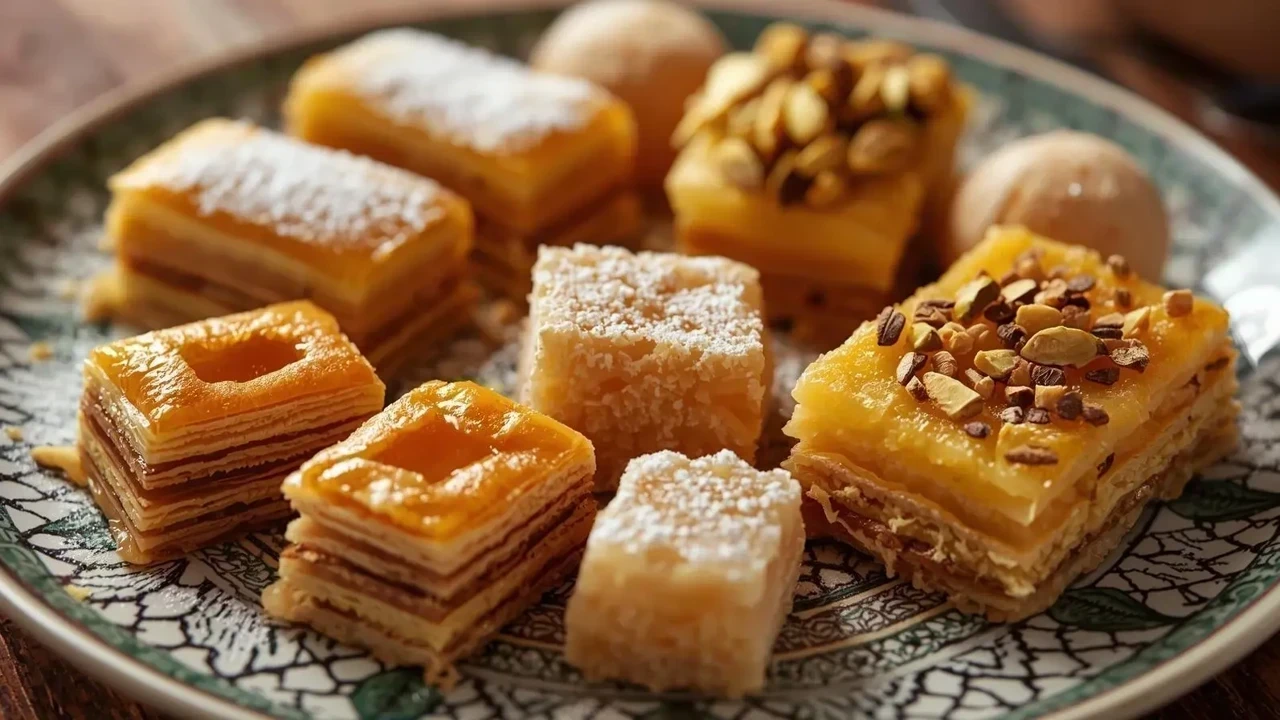
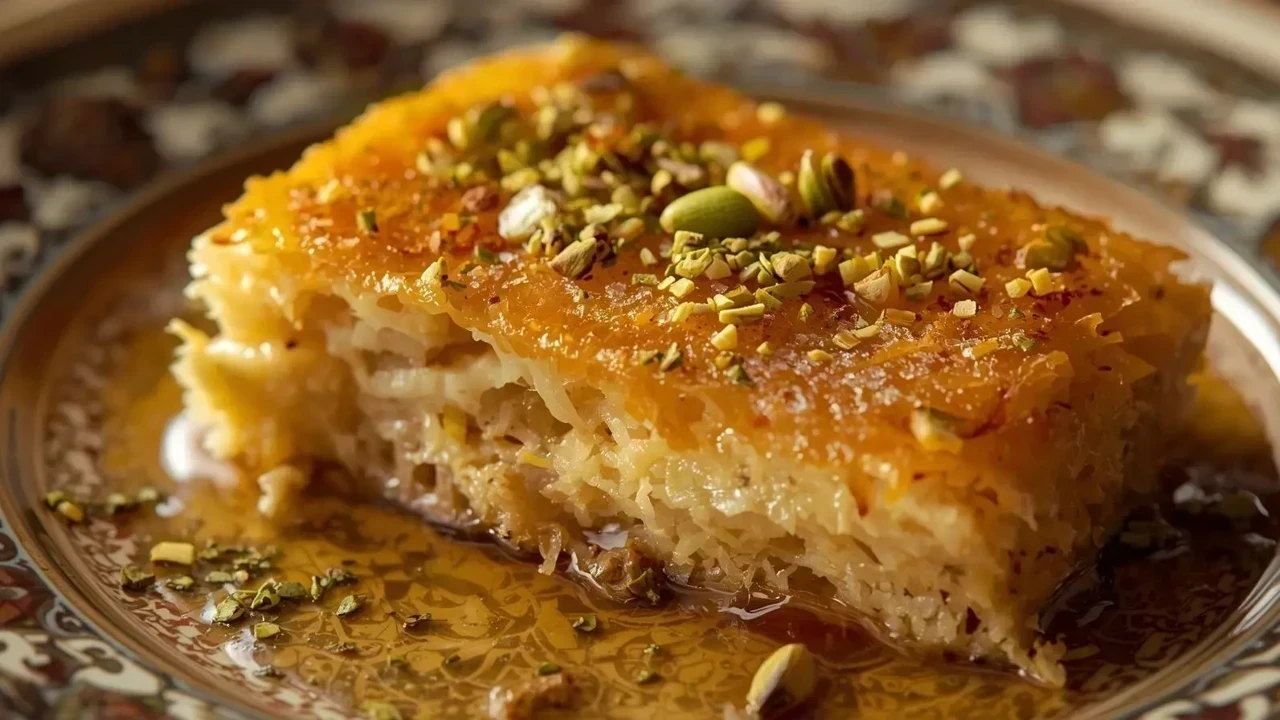
Emirati sweets are often date-based and lightly sweetened.
Popular traditional sweets
• Khabeesa
• Batheetha
• Khanfaroosh
Why they are unique
They rely on natural sweetness from dates and are not overly sugary.
Why Emirati Food Is Best Enjoyed Traditionally
Traditional Emirati meals are meant to be shared.
Cultural aspects
• Eating together from large plates
• Hospitality-focused dining
• Respect for elders and guests
Understanding these customs enhances the dining experience.
Tips for Trying Emirati Food as a Visitor
• Look for traditional or heritage-style restaurants
• Try local dishes during Ramadan evenings
• Be open to mild, aromatic flavours
• Ask for explanations to understand ingredients
Respectful curiosity is always appreciated.
Modern Influence on Traditional Dishes
While modern restaurants may present Emirati dishes in refined ways, the core flavours remain unchanged. This balance keeps traditions alive while making them accessible to new generations and visitors.
Why You Should Try Emirati Cuisine
Emirati food offers more than taste; it provides insight into the UAE’s values of patience, generosity, and community. Each dish reflects the country’s past and present.
Conclusion
Traditional Emirati dishes are an essential part of experiencing the UAE beyond its skyscrapers and luxury lifestyle. From hearty meals like al harees and machboos to sweet treats like luqaimat and date-based desserts, Emirati cuisine is deeply rooted in history and hospitality. Trying these dishes allows visitors to connect with local culture, understand traditional living, and appreciate the flavours that have sustained generations. A visit to the UAE is truly incomplete without tasting its authentic Emirati food.
Disclaimer
This article is for informational purposes only. Availability of traditional dishes may vary by location and season. Ingredients and preparation methods may differ slightly based on regional and modern adaptations. Visitors with dietary restrictions should confirm ingredients before consumption.