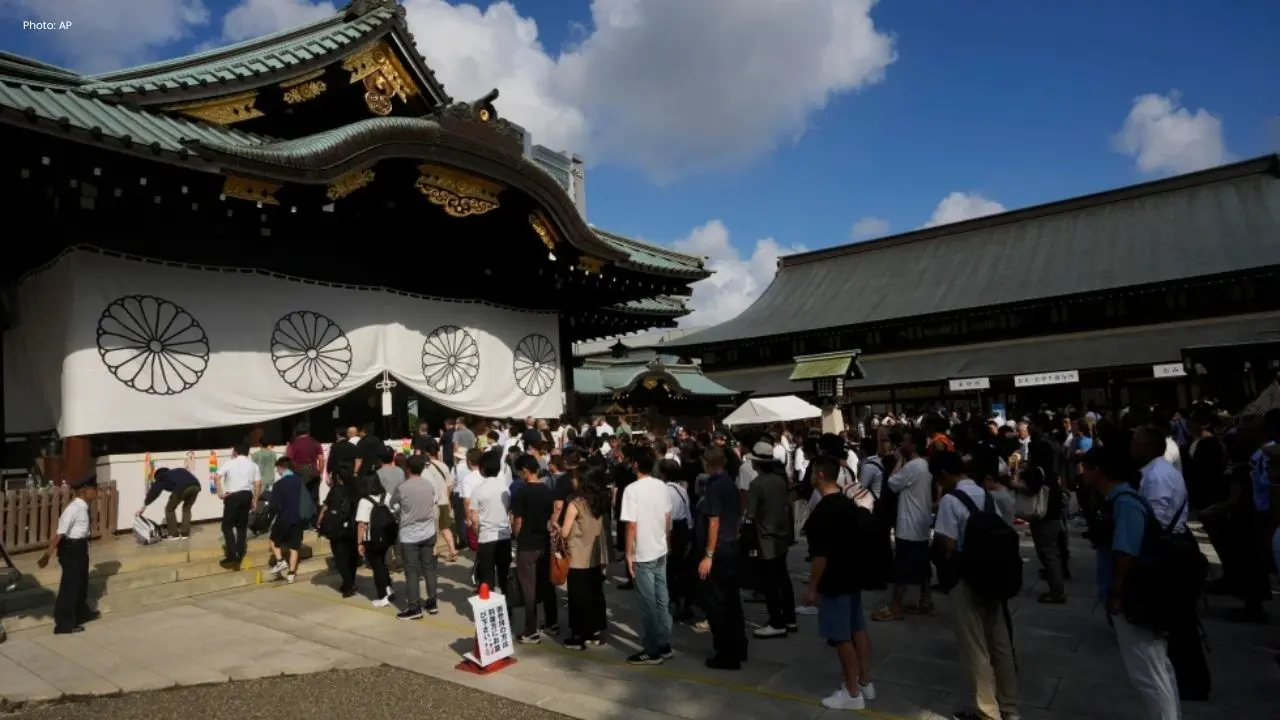
In a recent incident, Japanese authorities apprehended a South Korean citizen for allegedly causing a disruption at the annual festival held at Yasukuni Shrine in Tokyo. This event has reignited sensitivities surrounding historical and political conflicts tied to the shrine.
Reports indicate that a 64-year-old individual held a politically charged banner near the shrine's main entrance, obstructing the flow of vehicles and festival attendees.
The banner featured criticisms against figures linked to the shrine and made references to ongoing territorial disputes between Japan and South Korea, intensifying the incident's implications in a region where such matters are particularly delicate.
Yasukuni Shrine memorializes Japan’s war casualties, including some convicted of war crimes during World War II. Activities related to the shrine can provoke strong reactions from nations like China and South Korea due to deep-rooted historical issues.
The individual was arrested just as preparations were being made for ceremonial offerings associated with the emperor, raising alarms about potential disruption to the proceedings.
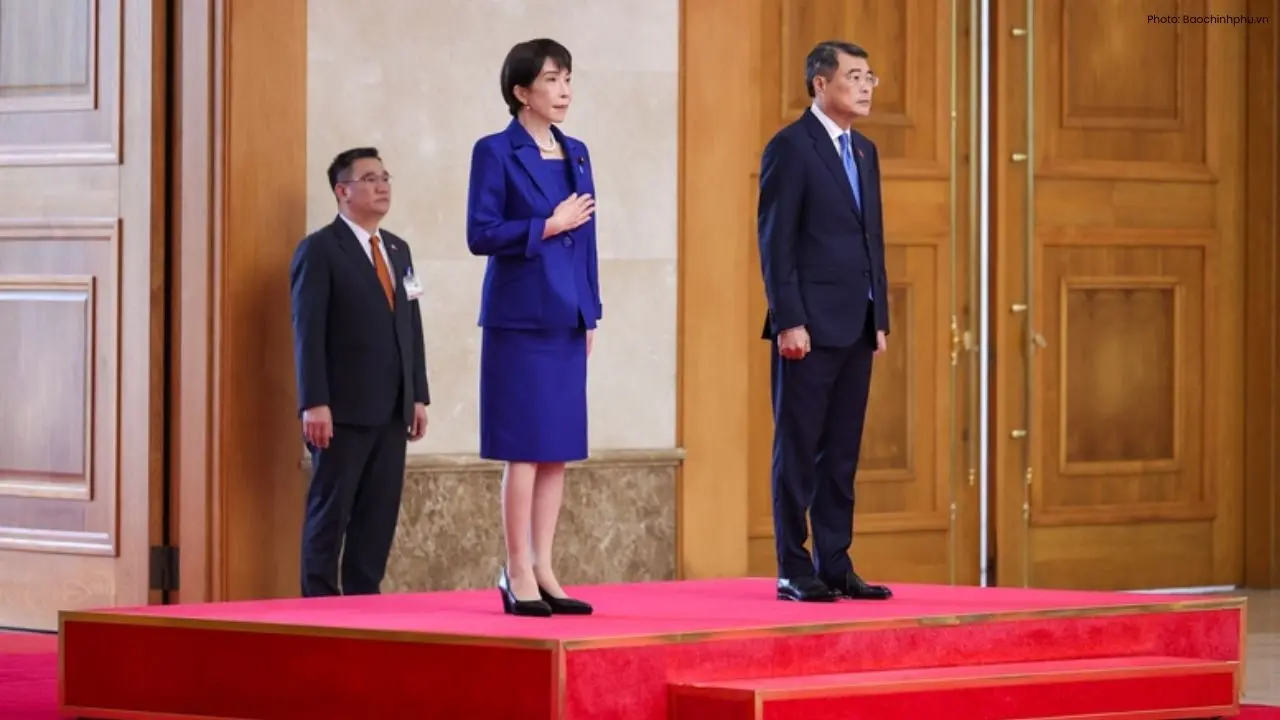
Meanwhile, Japanese Prime Minister Sanae Takaichi opted to send a religious offering in lieu of visiting the shrine, a decision that has attracted criticism from neighboring countries.
This event illustrates ongoing tensions in East Asia centering around history, territorial disputes, and the expression of political opinions. Authorities are investigating further, as the situation continues to draw close attention from regional observers.