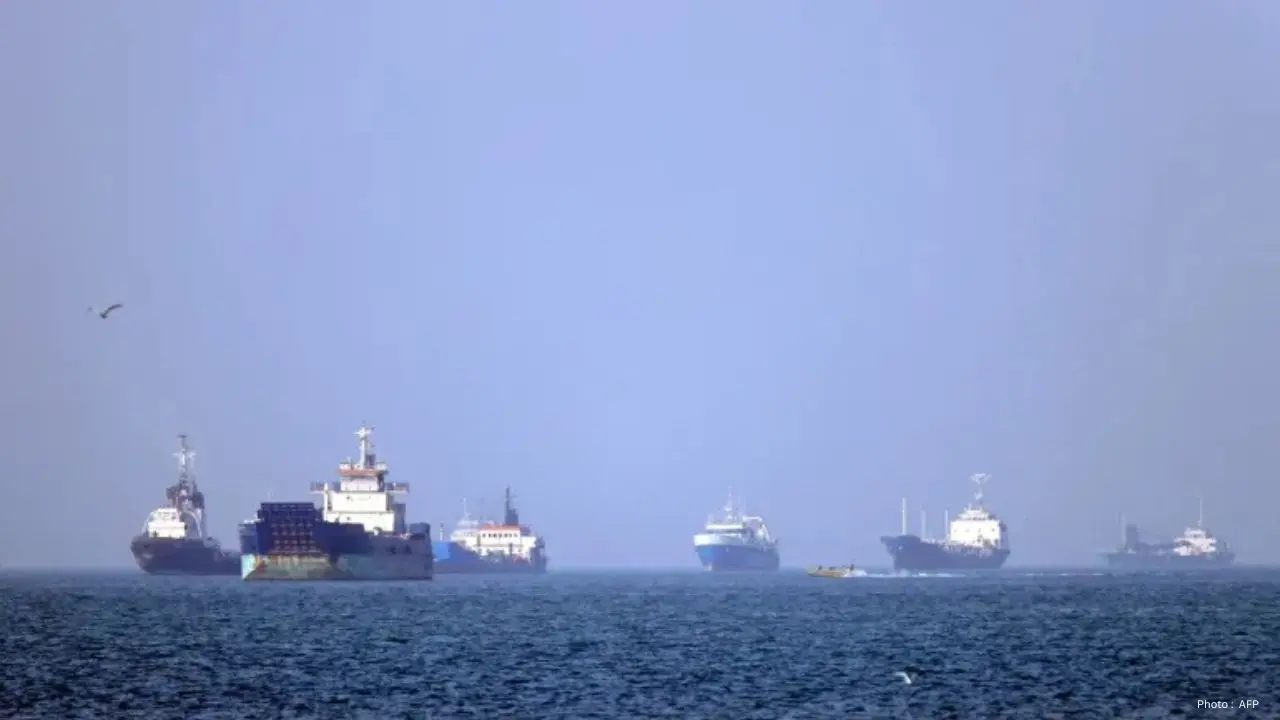
In a time of diplomatic discussions between the United States and Iran regarding potential peace, thousands of seafarers aboard cargo ships and oil vessels are left in precarious situations. While the talks aim to alleviate regional tensions, countless sailors find themselves stranded at sea, unable to navigate back home.
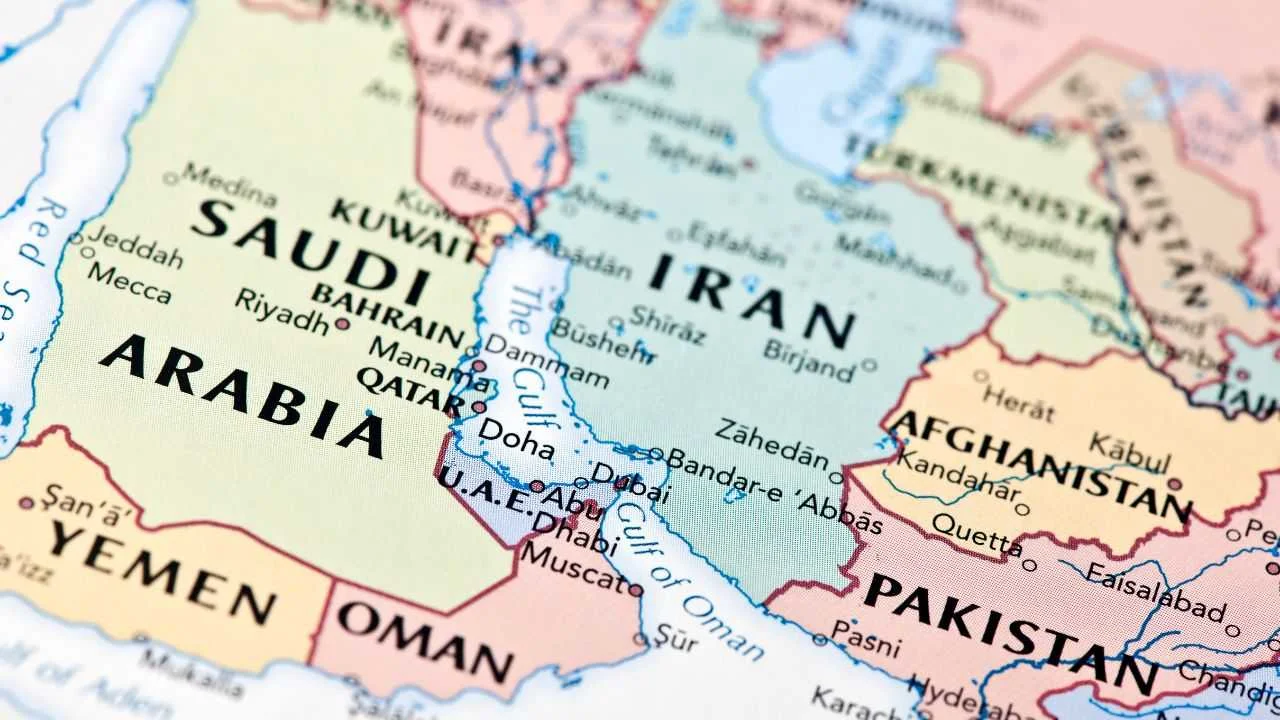
The ongoing unrest and military friction with Iran have profoundly impacted international shipping routes, notably near the Strait of Hormuz, a crucial conduit for global oil transportation. This disruption poses significant obstacles for global trade, contributing to shipment delays and challenges for maritime crews.
Extended months at sea have taken a toll on many seafarers, who are grappling with hazardous working environments. Some teams are stranded at sea due to security issues, while others await permission to traverse sensitive maritime corridors safely.
This situation emphasizes the often-overlooked human cost tied to geopolitical strife. While negotiations unfold, everyday workers like sailors and port crews endure the hardest impacts, far from their families and support systems.
The Strait of Hormuz is vital for global commerce, with a significant chunk of the world's oil traversing this narrow passage daily. Hostilities in this region reverberate through shipping lines, oil pricing, insurance premiums, and international trade dynamics.
Since escalated tensions in early 2023, numerous shipping firms have redirected their routes or postponed operations to mitigate risks. Ships are increasingly encountering electronic disturbances, security threats, and delays owing to military actions in the Gulf.
For seafarers, these complications translate to arduous working conditions, marked by long hours, mental strain, postponed payments, and uncertainty regarding safe passage. Various maritime and labor organizations have continuously advocated for improved protections and assistance for sailors navigating volatile regions.
Amid these challenges, the diplomatic interaction between the US and Iran offers cautious hope. Reports indicate that both nations are considering strategies aimed at diminishing military tension, thus fostering regional stability. Nevertheless, experts caution that the environment remains unstable.
The shipping industry is closely monitoring these developments, as a resolution in the region could stabilize oil market dynamics and enhance safety for maritime ventures. Reduced hostilities might also provide much-needed relief for seafarers caught in limbo.
This crisis underscores the intricate interconnection of today’s global economy. An upheaval in one locality can swiftly influence oil prices, food supply chains, and trade logistics worldwide.
Seafarers are pivotal players in the global economy, transporting vital goods including oil, food, and medical supplies across the world. Yet their plight rarely captures the attention it deserves until a crisis escalates.
Human rights advocates along with maritime unions are now pressing authorities and international entities to prioritize the safety and well-being of mariners in conflict situations. Many believe that there's a strong need for reinforced international protections for those working in perilous waters.
As discussions between the US and Iran progress, an army of stranded seafarers continues to long for clarity, safety, and a route back home. Their ongoing dilemma serves as a poignant reminder of the human stories behind global political conflicts.