The Middle East at the Center of Global Attention
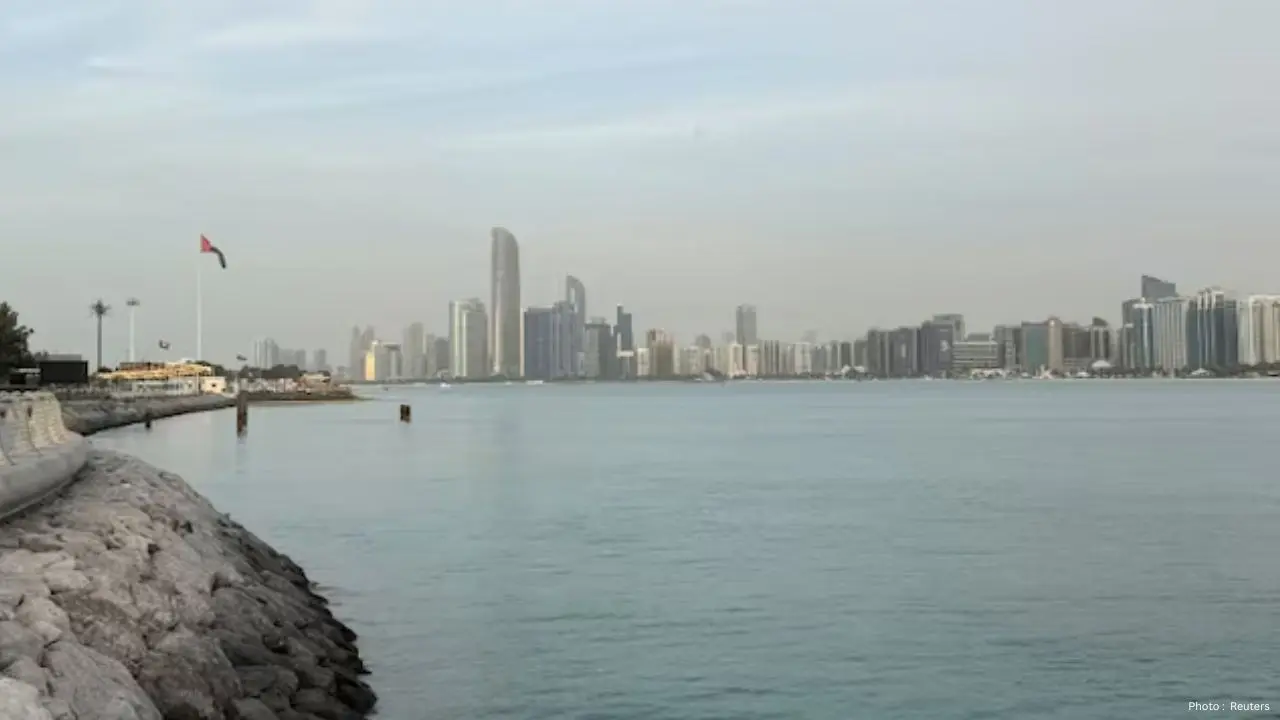
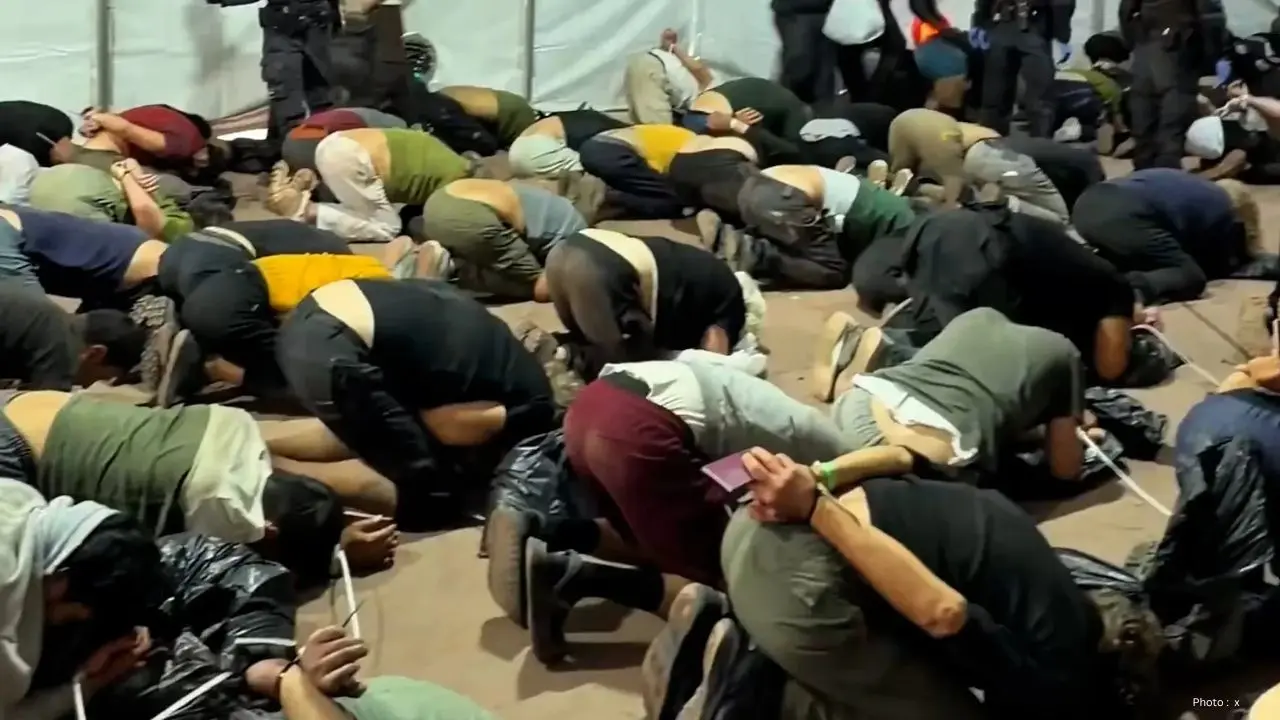
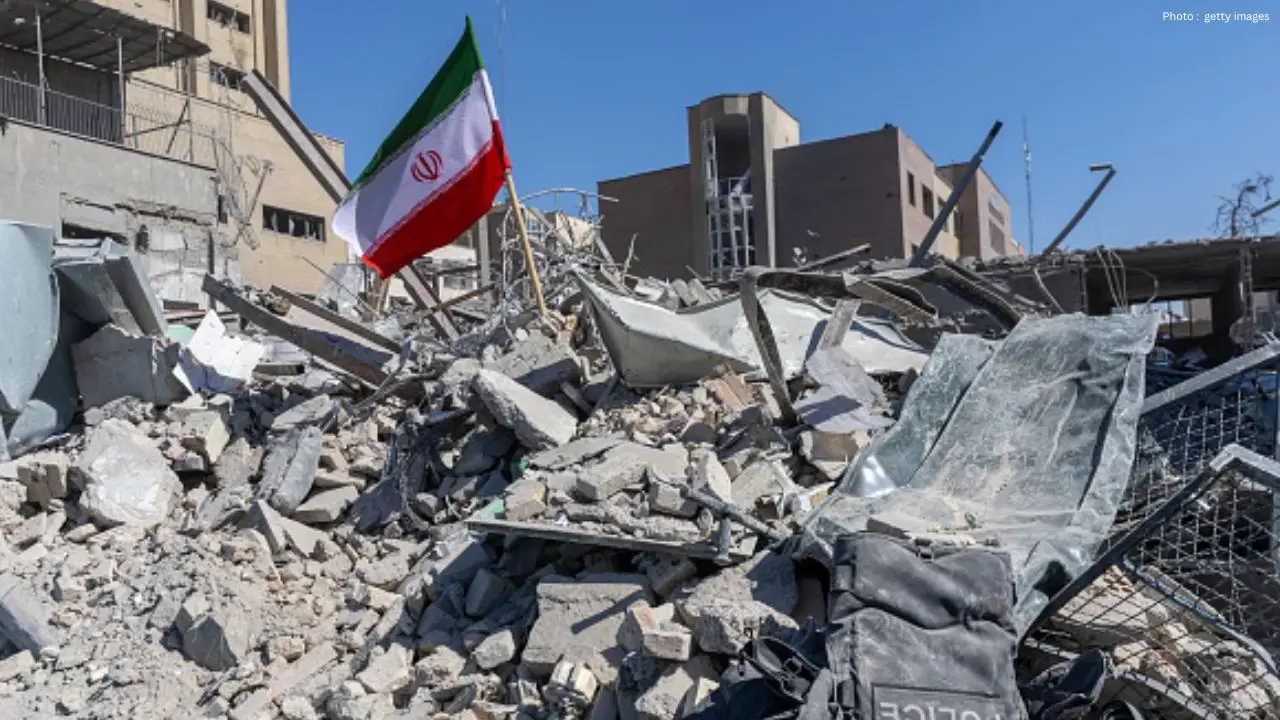
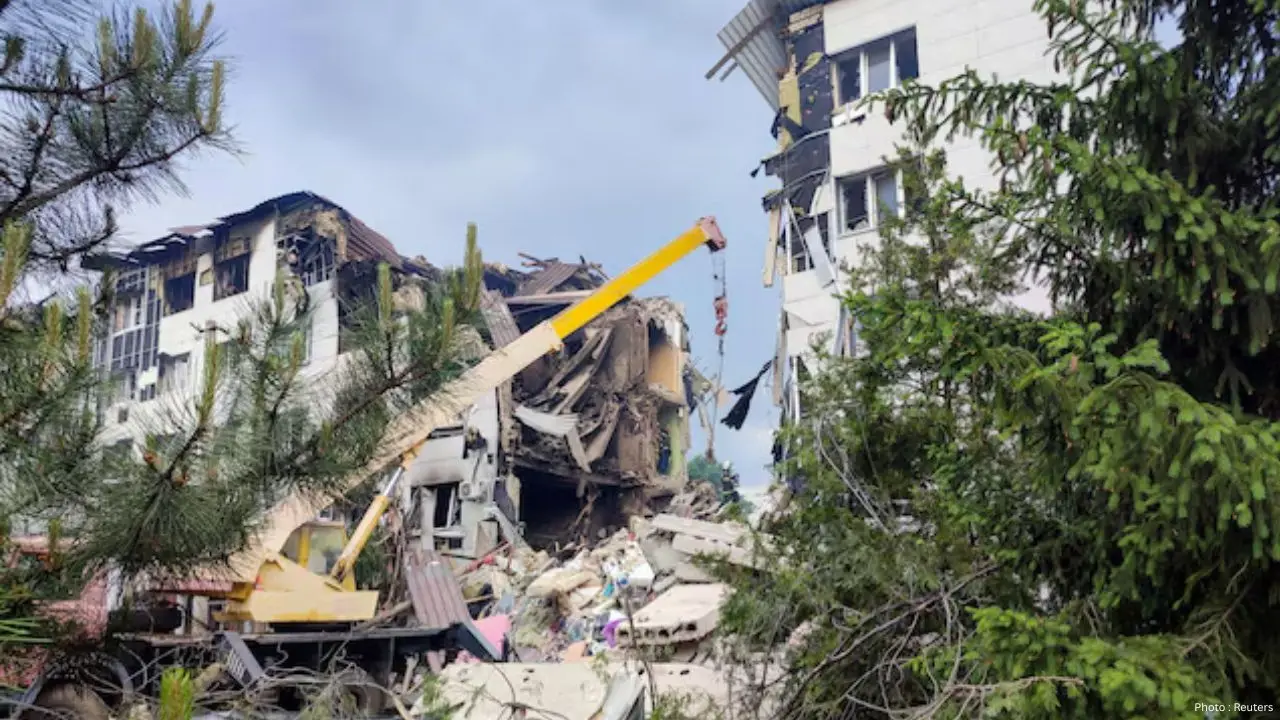
There are moments in history when certain regions move from being important to becoming essential. The Middle East is once again at that point. In recent months, it has shifted to the center of global attention—not only because of conflict, but because of its deep connection to energy, trade, security, and international power dynamics. What happens in this region no longer stays within its borders. It sends ripples across economies, politics, and everyday life around the world.
To understand why tensions in the Middle East dominate global headlines today, it is necessary to look beyond the surface. The region is not defined by a single issue, but by a complex web of interests, alliances, and historical realities. It is where geography, resources, and politics intersect in ways that make even small developments feel significant.
Geography and Energy: The Core Drivers of Power
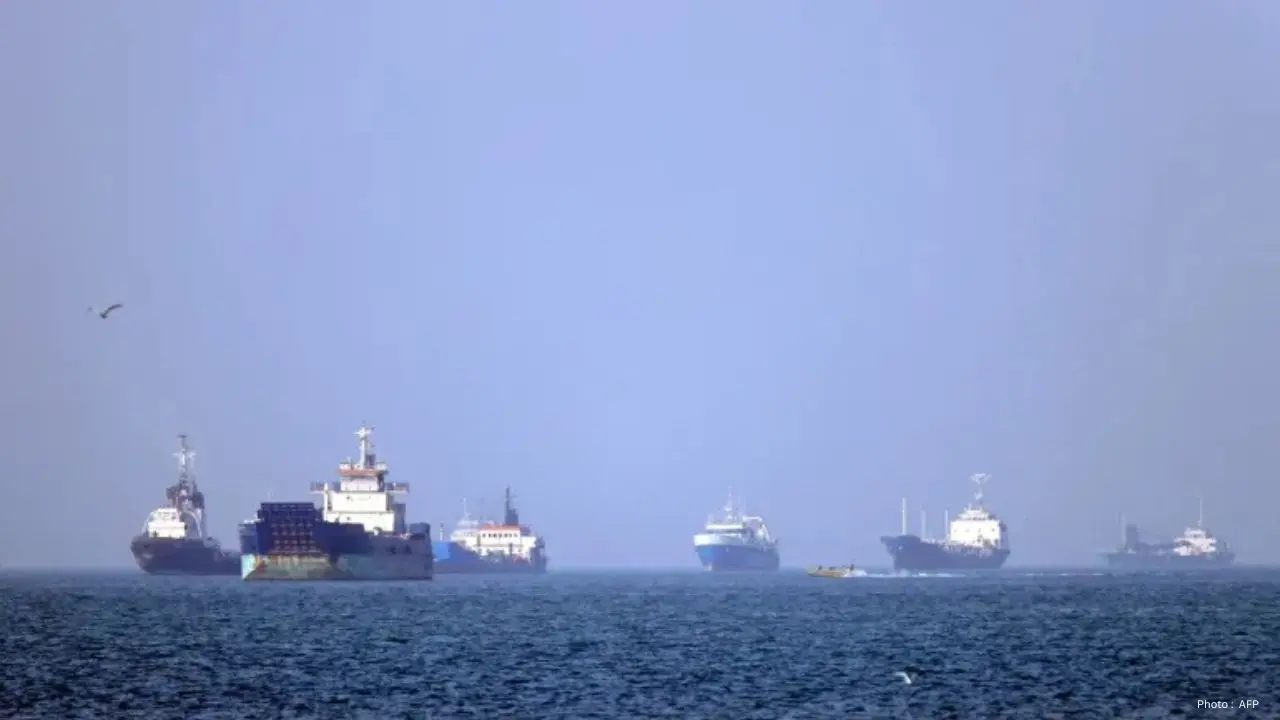
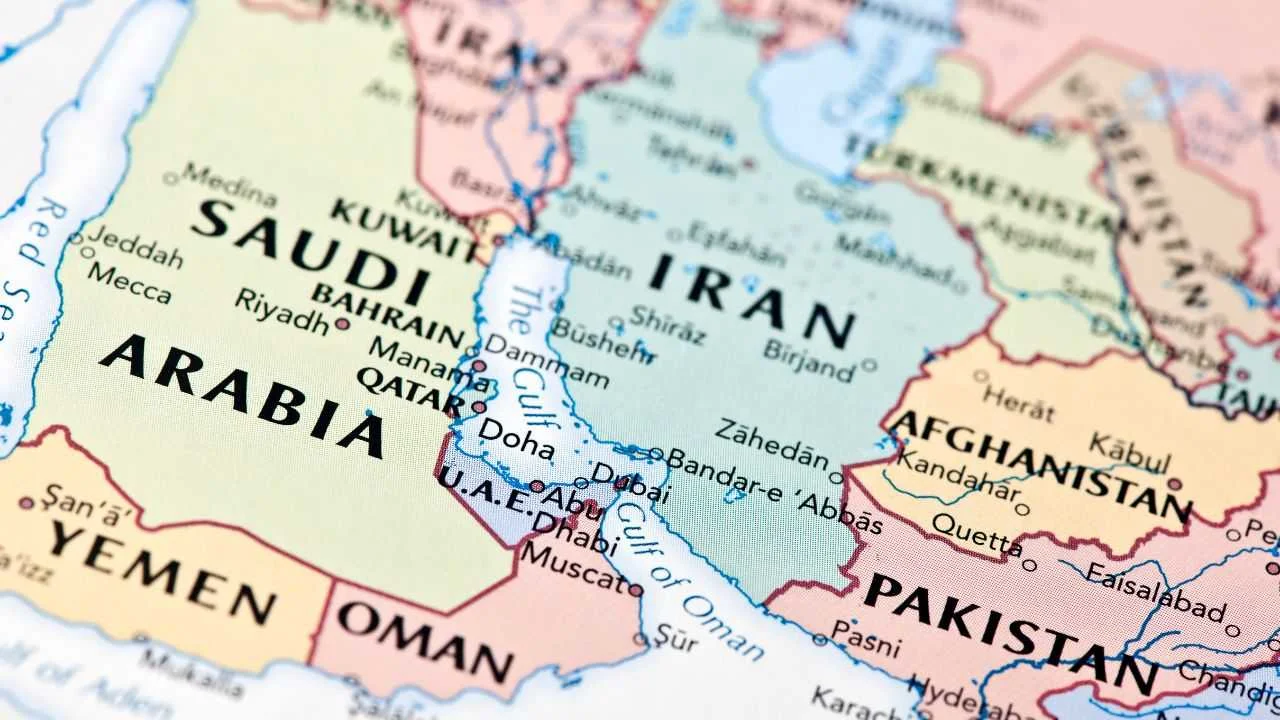
At the heart of the current tension is geography. The Middle East sits at a strategic crossroads linking Asia, Europe, and Africa. It controls some of the world’s most critical trade routes, including maritime passages through which a large portion of global energy supplies flows. When uncertainty rises in these areas, the impact is immediate. Oil prices react, shipping costs increase, and markets begin to shift. This is not just about regional instability—it becomes a global economic issue almost instantly.
Energy remains one of the most powerful forces shaping the region’s importance. Despite the global push toward renewable sources, oil and gas still play a central role in the world economy. Many of the largest reserves are located in Middle Eastern countries, making them key players in global supply. Any tension that threatens production or transportation creates concern far beyond the region. It influences inflation, trade balances, and even political decisions in distant countries.
Shifting Alliances and Political Complexity
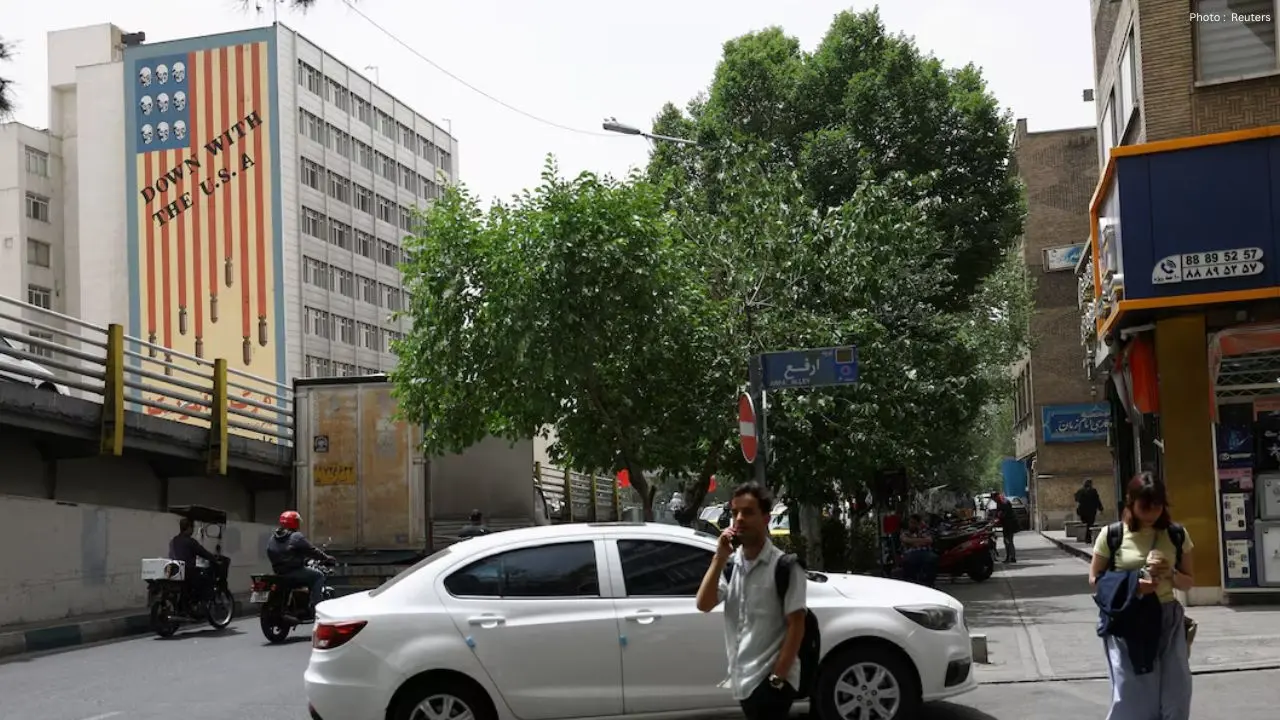
However, geopolitics in the Middle East is not only about resources. It is also about influence. Regional powers are constantly balancing their relationships with one another while also interacting with global powers such as the United States, Russia, and China. These relationships are rarely simple. They involve cooperation in some areas and competition in others, creating a constantly shifting landscape.
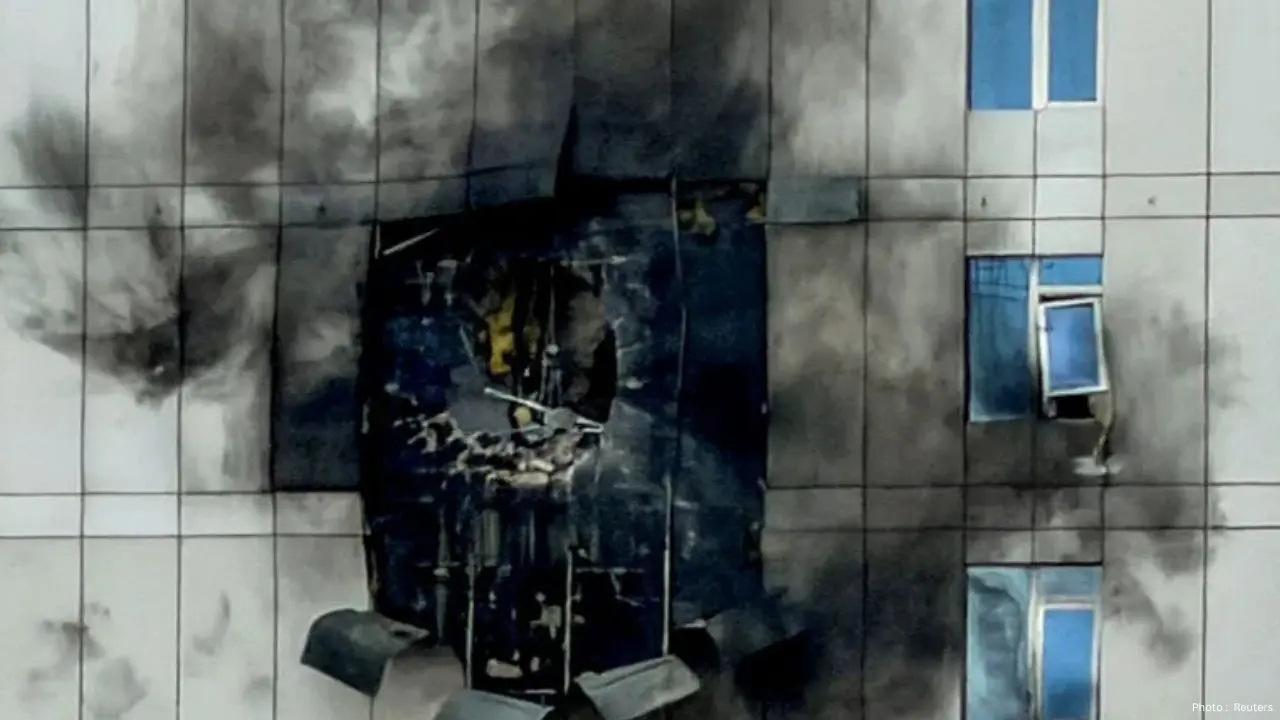
In recent times, this balance has become more delicate. Alliances are evolving, new partnerships are forming, and traditional rivalries continue to shape decision-making. Countries are investing in defense, strengthening their positions, and seeking to secure their interests in an environment that feels increasingly uncertain. This has led to a situation where even minor incidents can escalate quickly, drawing international attention.
Economic Transformation and Global Interconnection
Another important factor is the role of economic transformation within the region. Many Middle Eastern countries are actively working to diversify their economies, reducing dependence on oil and investing in technology, tourism, and infrastructure. These ambitious plans require stability and long-term planning. At the same time, they exist alongside geopolitical tensions that can disrupt progress. This creates a contrast between a forward-looking vision and the realities of regional competition.
Public perception also plays a role in shaping the narrative. Media coverage often focuses on moments of crisis, which can give the impression that the region is defined solely by conflict. While tensions are real and significant, they exist alongside efforts toward cooperation, development, and modernization. Understanding the full picture requires looking at both sides—the challenges and the progress happening simultaneously.
One of the most important aspects of the current situation is how interconnected everything has become. In the past, regional tensions might have had limited global impact. Today, the world is far more connected. Supply chains stretch across continents, financial markets react in real time, and information spreads instantly. This means that geopolitical developments in the Middle East are not isolated events—they are part of a larger global system.
Technology has also changed the way these tensions are experienced and understood. Information moves quickly, often faster than it can be fully analyzed. This can amplify reactions, creating a sense of urgency even before all the details are clear. Governments, investors, and individuals must navigate this environment carefully, balancing immediate responses with long-term thinking.
The Future of Global Power and Stability
From an analytical perspective, the current dominance of Middle Eastern geopolitics can be seen as the result of multiple forces aligning at once. Strategic location, energy importance, shifting alliances, economic transformation, and global interconnectedness all contribute to the region’s central role. None of these factors alone would create the level of attention seen today, but together they form a powerful combination.
Looking ahead, the key question is not whether the region will remain important—it clearly will—but how tensions will evolve. There are several possible paths. Increased cooperation could lead to greater stability and economic growth. Continued rivalry could maintain a state of uncertainty. External involvement by global powers could either stabilize or complicate the situation further.
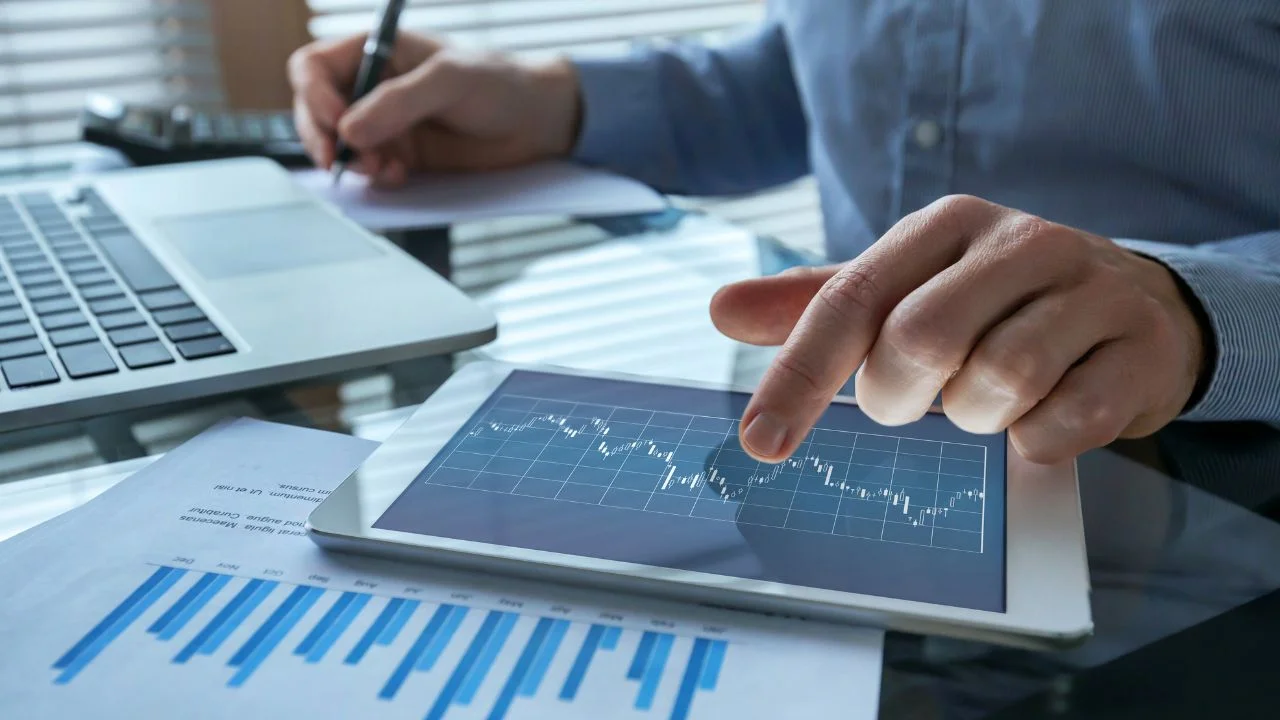
For businesses and investors, this environment requires careful observation and adaptability. Decisions must consider not only economic indicators but also geopolitical developments. For governments, it means balancing national interests with the need for regional stability. For individuals, it often translates into changes in prices, employment opportunities, and overall economic conditions.
Despite the challenges, it is important to recognize that tension does not necessarily mean decline. In many cases, periods of geopolitical complexity can also drive innovation and transformation. Countries in the Middle East are already investing in new industries, building infrastructure, and positioning themselves for a future that goes beyond traditional energy dependence. These efforts suggest that the region is not only reacting to global changes but actively shaping them.
In conclusion, the dominance of Middle Eastern geopolitics in today’s news reflects a deeper reality about the modern world. It is a reminder that certain regions hold a level of influence that extends far beyond their borders. It also highlights how interconnected global systems have become, where local developments can have worldwide consequences.
Understanding this moment requires both logic and perspective. It is not simply about conflict or crisis, but about a complex balance of power, resources, and ambition. The Middle East stands at the center of that balance, influencing the direction of global events in ways that are both immediate and long-term.
As the situation continues to evolve, one thing remains clear: the story of geopolitics in the Middle East is not just a regional story. It is a global one, shaping the world in ways that affect us all, whether directly or indirectly.