In a significant development, Israel and Lebanon have agreed to prolong their ceasefire for another 45 days, a decision reached due to diplomatic negotiations aimed at curbing escalating tensions along their border. This extension provides invaluable respite to numerous civilians who have long endured the specter of violence.
Discussions facilitated in Washington with global backing led to this agreement. Authorities are hopeful that this additional time will foster dialogue and stave off any serious military clash between the nations.
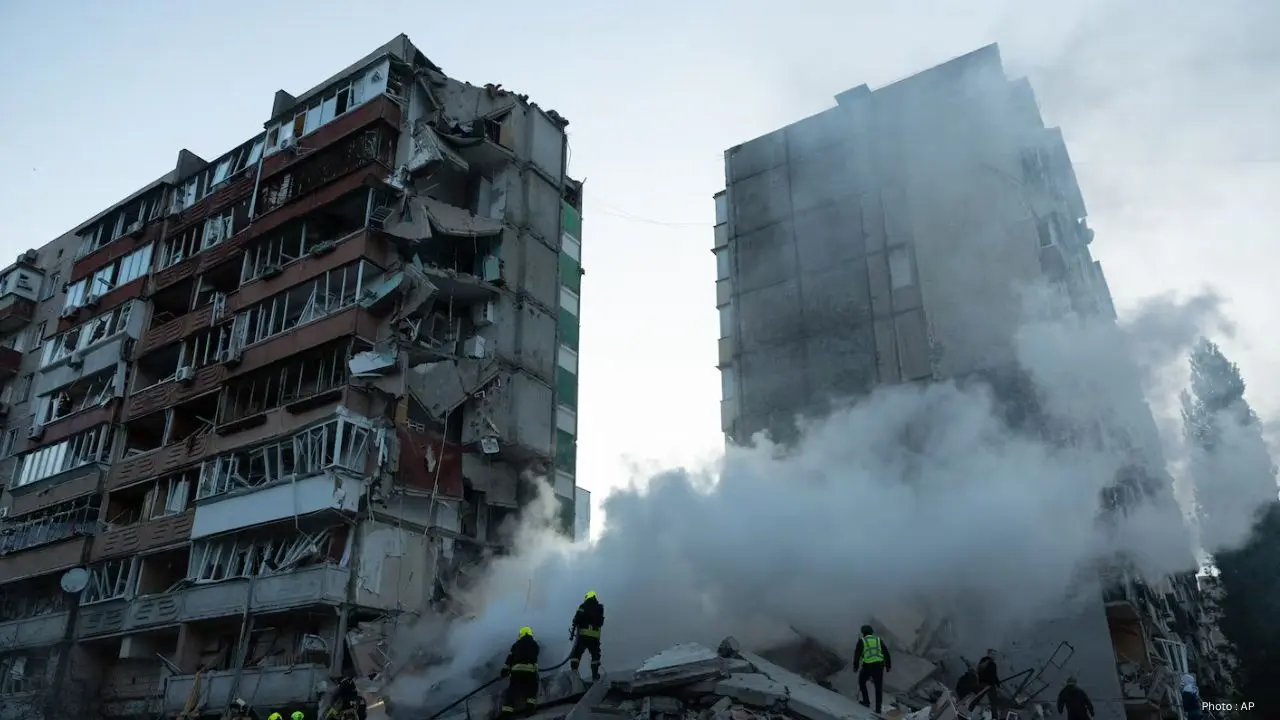
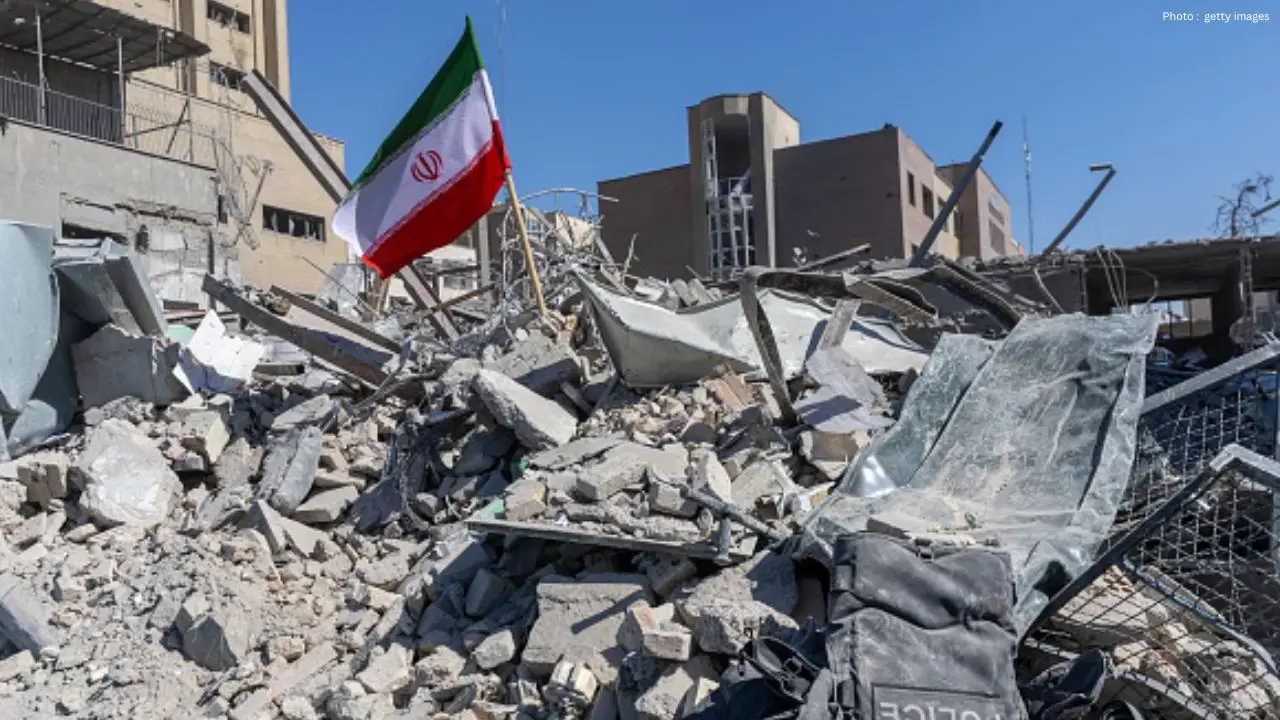
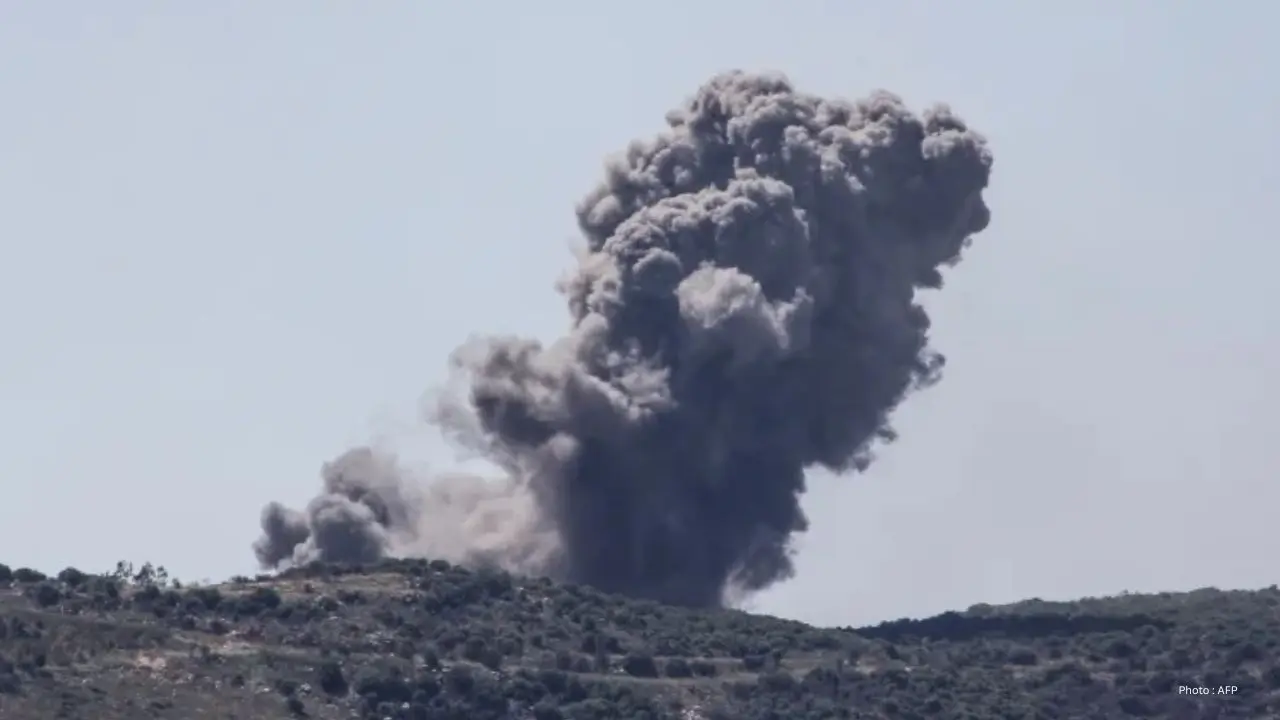
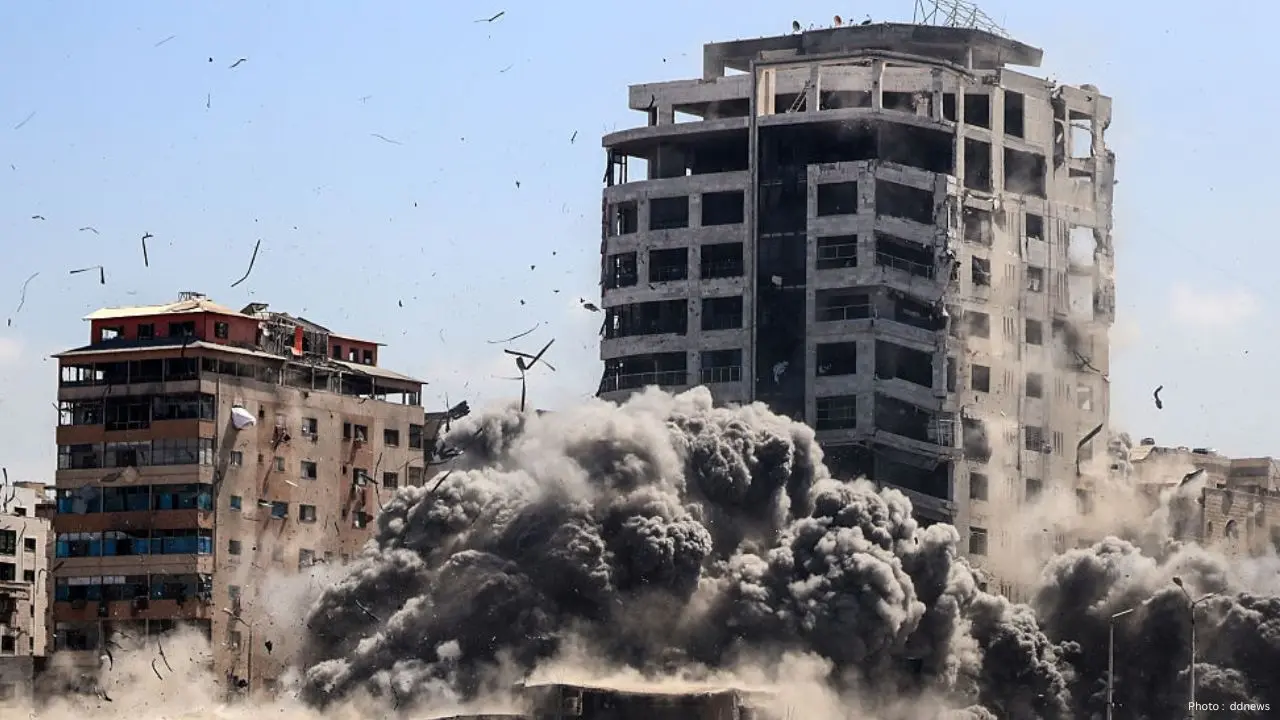
Recent months have seen a series of skirmishes along the border, marked by airstrikes, rocket launches, and military operations that have pushed countless families out of their homes, particularly in southern Lebanon and northern Israel. Villages bordering the region have suffered considerable damage, disrupting schools, businesses, and essential services.
For civilians, each day has been fraught with anxiety. Families have expressed concerns about their safety, while local economies have floundered amid ongoing unrest. The ceasefire's continuation now offers a glimmer of calm for communities weary from instability.
Nonetheless, the situation remains precarious. Various minor security incidents and military actions have persisted in certain areas throughout prior ceasefire periods, highlighting the fragile trust between the nations and the persistent danger of renewed violence.
A key factor in these tensions is Hezbollah, the Lebanese militant group, deemed a significant threat by Israel, which has consistently called for stronger actions against it. Meanwhile, Lebanon grapples with its own political and economic challenges, complicating the issue further.
The U.S. has been instrumental in fostering negotiations, striving to avert a larger regional conflict. Global leaders are concerned that a renewed war between Israel and Lebanon could further destabilize the Middle East.
This ceasefire extension does not signify a lasting peace agreement but constitutes a vital diplomatic milestone, allowing both nations additional time to deliberate on security concerns and explore avenues to prevent future conflicts.
For border residents, the yearning for peace is palpable. Displaced families hope for a safe return to their homes and a chance to reconstruct their lives following months of fear and destruction. Local businesses and communities similarly aspire for stability to revive economic activities.
The upcoming weeks will prove crucial in determining the future of the ceasefire. Should negotiations progress favorably, there is potential for reducing tensions. However, if talks falter or violence escalates again, the region may plunge into another perilous phase of conflict.