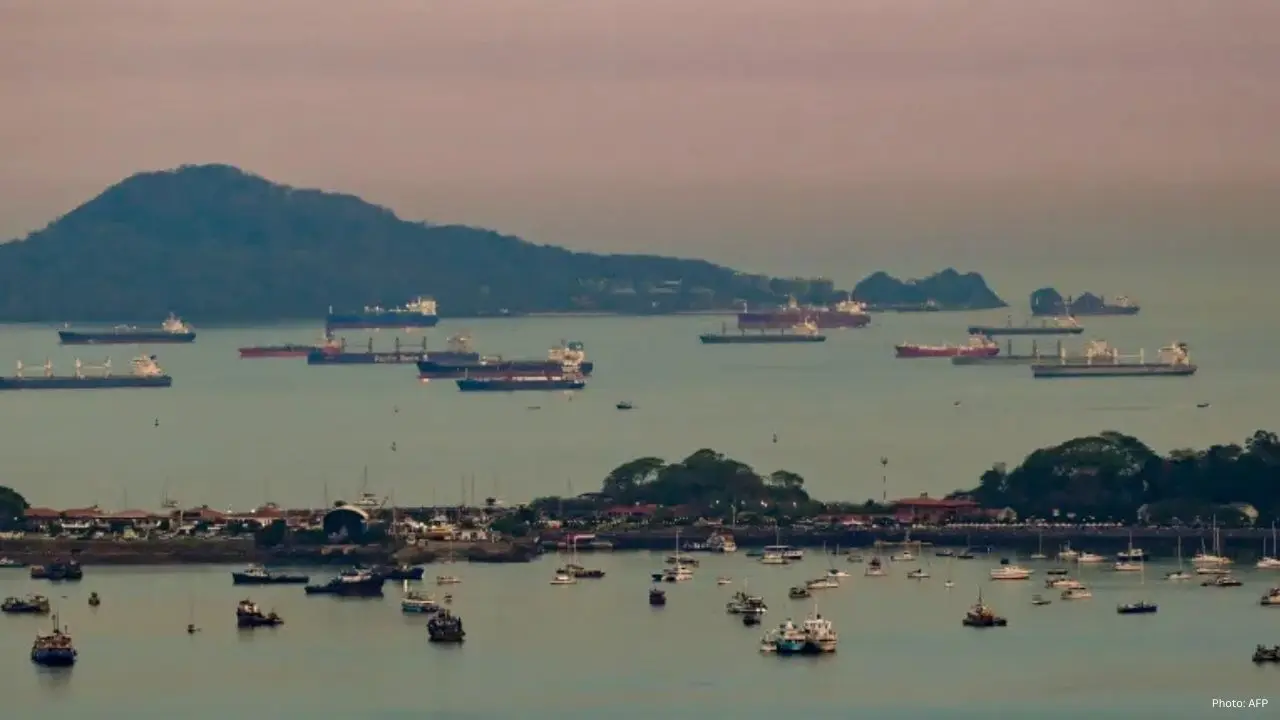
In a significant turn of events, the Panama Canal has become a focal point of rising political and economic tensions involving the United States, China, and several Latin American nations. Recent controversies regarding China's reaction to developments tied to the canal have drawn sharp criticism from Washington and its regional allies, highlighting the global rivalries impacting vital trade corridors.
The dispute ignited amid escalating concerns about the management and control of ports associated with the Panama Canal, a crucial shortcut for global shipping that facilitates approximately 5% of the world's trade. Given its strategic importance, any political friction linked to the canal quickly escalates into an international concern.
Reports indicate a strong Chinese response followed developments involving a Hong Kong firm that had previously operated port terminals close to the canal. Tensions flared when Panama's court rulings and governmental actions affected the company's contractual agreements. China condemned these steps, labeling them as unjust and politically biased.
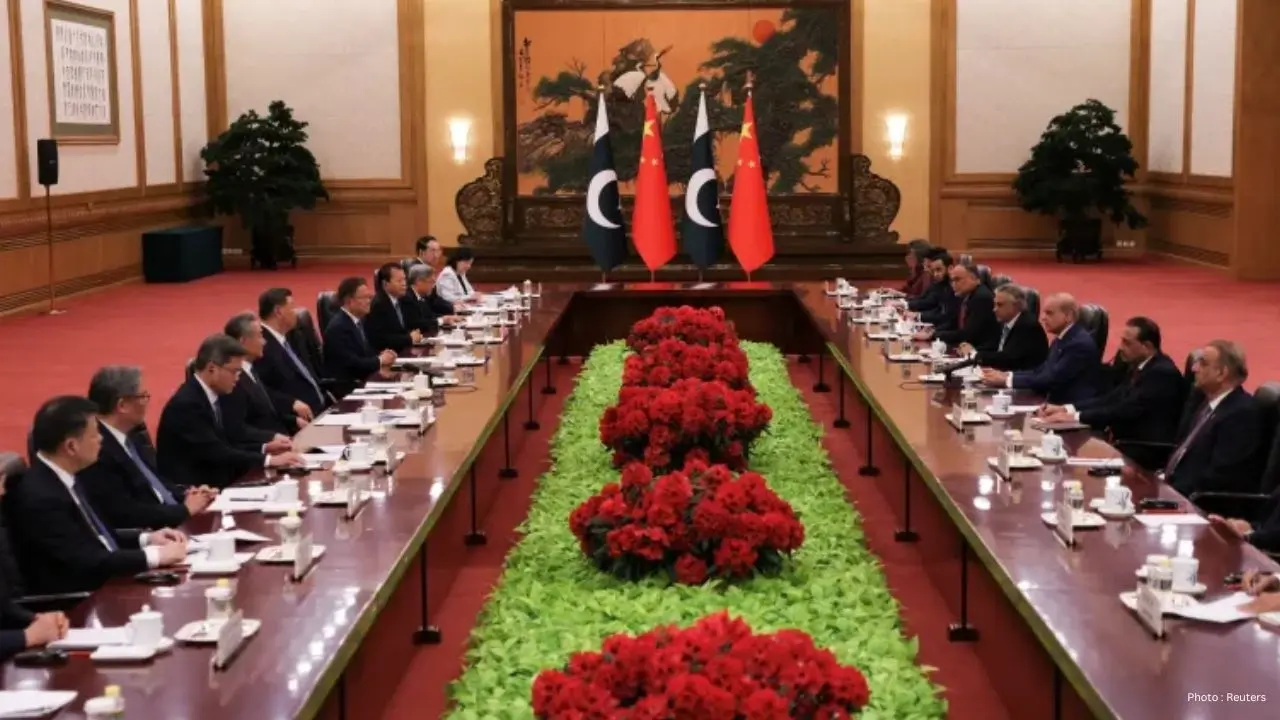
China's reaction, however, transcended mere words. Reports suggest that measures such as heightened inspections and the detention of Panama-flagged vessels were interpreted by U.S. officials as retaliation. Concerns have emerged that these actions might be aimed at coercing Panama and influencing its decisions regarding the canal.
In turn, the United States has taken a firm stance, accusing China of exerting economic pressure and using shipping-related measures to undermine Panama's sovereignty and its global trade functions. U.S. representatives argue that the Panama Canal must continue to function free from external political manipulation, governed by transparent international regulations.
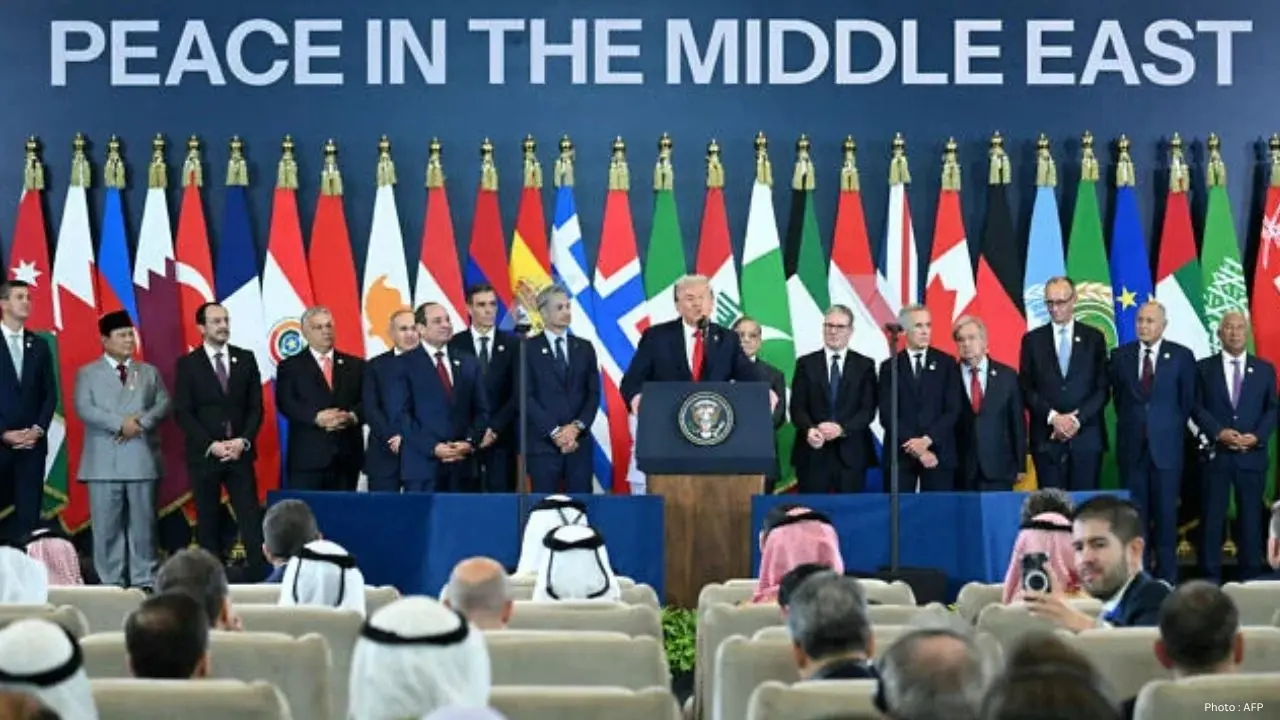
Several Latin American countries have united with the United States to voice their apprehensions. In a collaborative statement, these nations reiterated their support for Panama's sovereignty while cautioning against external interventions that could jeopardize its autonomy. They stressed that the canal represents not only a national asset for Panama but is indispensable for global trade stability.
This scenario underscores a broader geopolitical clash between the United States and China. Over the past two decades, China has expanded its economic footprint in Latin America through trade, infrastructure investments, and shipping collaborations. Meanwhile, the United States seeks to retain its longstanding influence in the region, perceiving China's expansion as a strategic challenge.
The Panama Canal stands out as one of the most apparent indicators of this rivalry. Control over surrounding ports, shipping lanes, and logistics frameworks transcends mere commerce; it involves global influence. Gaining access and sway over these routes translates to leverage in international trade and political arenas.
For Panama, navigating the situation is particularly delicate. The nation aims to sustain amicable relations with both superpowers while safeguarding its legal framework and sovereignty. However, the intensifying pressure from competing forces makes achieving neutrality increasingly challenging.
Experts assert that this dispute extends beyond the immediate stakeholders of Panama, China, and the United States. It reflects a global trend where trade routes are being harnessed as instruments of political leverage. Economic decisions, judicial rulings, and shipping regulations are increasingly scrutinized through the lens of international rivalry.
Moreover, fears abound that ongoing escalations could undermine global shipping stability. Disruptions in the Panama Canal could slow trade flows, escalate shipping costs, and adversely impact supply chains worldwide.
In summary, the escalating tensions surrounding China's response and the criticisms leveled by the United States and Latin American nations reveal the intricate interconnections of global politics and trade. The Panama Canal, once celebrated primarily as an engineering marvel, now symbolizes 21st-century power rivalries. The evolution of this situation will hinge on whether diplomatic efforts can mitigate tensions or if political conflicts will further polarize global trade routes.